
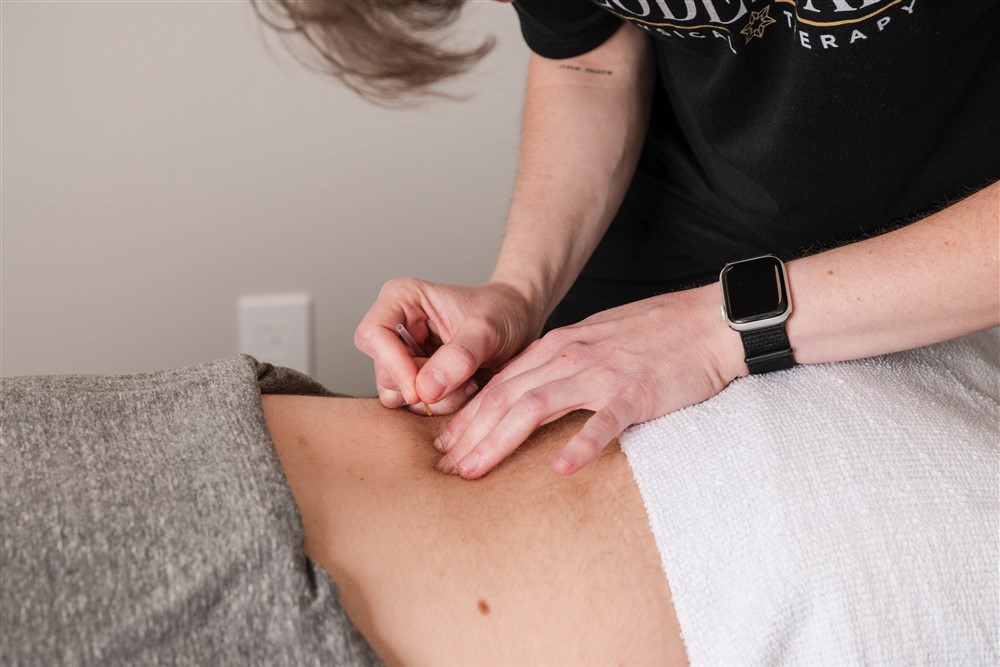
What is Dry Needling?
Dry Needling (DN) is a physical-therapy technique in which trained therapists insert very thin, solid filaments (needles) into muscle tissue — specifically into myofascial “trigger points,” tight or hypersensitive bands of muscle. PubMed+2ScienceDirect+2
Unlike acupuncture, dry needling does not involve inserting needles to influence traditional acupuncture meridians, but rather focuses on musculoskeletal structures: muscles, tendons, fascia, sometimes even scar tissue or connective tissue. Lippincott Journals+2PMC+2
The goal is to relieve pain, reduce muscle tightness/stiffness, improve mobility or function, and help the body recover — especially in contexts of overuse, repetitive strain, chronic tightness, or after injury. PubMed+2PubMed+2
What the Research Says: Evidence for Benefits (and Limits)
✅ What we know can work
-
Several meta-analyses and reviews show that dry needling — especially when performed by a physical therapist — leads to significant short-term reductions in pain. PubMed+2PubMed+2
-
For specific conditions like Patellofemoral Pain Syndrome (PFPS) — common among runners, athletes, people doing squats or lunges — adding dry needling to exercise therapy led to meaningful improvements in knee pain and physical function compared with exercise alone. PubMed+1
-
For tendinopathies (overuse/tendon-related pain), combining dry needling with therapeutic exercises (especially eccentric exercises) has moderate-strength evidence for improving pain and functional outcomes. PubMed+1
-
For upper-quarter or shoulder/neck myofascial pain, there is evidence that dry needling can reduce pain immediately and up to about 4 weeks after treatment, compared with sham or placebo needling. NCBI+1
-
For sports/recreational athletes, some studies report dry needling can reduce muscle stiffness, improve pain pressure threshold (i.e. make muscles less sensitive), helping with recovery and possibly readiness for activity — though results about increased strength or performance are mixed. SpringerLink+2PubMed+2
⚠️ What the research has not definitively shown
-
While dry needling often reduces pain and improves perceived function in the short-term (days to several weeks), evidence for long-term benefits (months to years) remains limited and of low-to-moderate quality. PubMed+2OUP Academic+2
-
For some conditions — like general non-specific shoulder pain — adding dry needling to personalized, evidence-based physical therapy did not produce significantly better outcomes than physical therapy alone. PubMed+1
-
Regarding athletic performance: while some improvements (e.g., in jump height at 48 hrs post-needling) have been reported, many studies find no significant gains in maximal force or power output after dry needling. SpringerLink+1
-
The quality of the evidence varies widely (heterogeneous protocols, different populations, varying follow-up times), so it’s difficult to draw firm “if-then” conclusions across the board. OUP Academic+2PubMed+2
Why It’s Popular in Sports & Physical Therapy — Especially for CrossFit / Barbell / Pickleball Enthusiasts
If you’re active — lifting heavy, doing Olympic-style lifts, CrossFit, plyometrics, or playing sports like pickleball — your body undergoes a lot of stress: muscles, tendons, and joints are repeatedly loaded, often under high force or volume. Here’s why dry needling can be appealing in that context:
-
Pain / Overuse Relief: Chronic tightness, tendon pain (knees, elbows, shoulders), or muscle knots from repetitive lifts or racquet swings can hide performance, lead to form breakdown, or even cause injury. Dry needling — especially combined with targeted exercises — may help reduce that pain and get you moving better.
-
Faster Recovery: After a heavy lifting session or intense CrossFit WOD, soreness and muscle stiffness can slow you down or force rest days. Some studies suggest DN can reduce muscle stiffness and improve recovery metrics (though not always performance directly) — which may help you bounce back faster. PubMed+2PubMed+2
-
Support for Tendinopathies and Joint-related Pain: For lifters or athletes with chronic tendon issues (knees, elbows — e.g. from squats, presses, cleans; or from pickleball swings), dry needling plus eccentric/therapeutic exercise may help reduce pain and restore function. PubMed+2PMC+2
-
Non-pharmacological & Minimally Invasive Alternative: For folks who want to avoid relying on pain meds long-term, DN offers a non-drug alternative. PubMed+2Total Sports Therapy+2
When (and for Whom) Dry Needling Makes Sense — and When It Might Not
Good candidates for dry needling:
-
Athletes or active individuals with myofascial trigger-points, muscle tightness, or overuse pain (knees, elbows, shoulders) from lifting, CrossFit, pickleball, or other sports.
-
People recovering from tendon or tendon-related issues (tendinopathy) — especially when combined with a structured exercise or rehab program.
-
Individuals who have tried stretching, manual therapy, and standard PT without adequate relief, and who are willing to attempt a complementary, minimally invasive approach.
-
Those needing short- to medium-term pain relief or improved mobility — e.g. to get back to training faster or break through a nagging pain plateau.
How Dry Needling Would Fit Into a Physical Therapy Plan in Murray, UT: Realistic Use Cases
If you live in or near Murray, Utah, and you’re involved in strength training (barbell, CrossFit), pickleball, or other high-demand sports — here are scenarios where dry needling might fit:
-
Post-workout recovery support: After heavy barbell sessions (squats, deadlifts, Olympic lifts) or intense CrossFit WODs, DN could help alleviate muscle stiffness, promote blood flow, and reduce soreness — letting you return to training sooner.
-
Tendon pain from repetitive joint use: Frequent squats, lunges, cleans, overhead presses, or pickleball swings can stress knees, elbows, shoulders. Add DN + targeted rehab exercises if tendinopathy, patellofemoral pain, or tendon irritation emerges.
-
Breaking through “stuck” mobility or chronic tightness: For example, hip mobility limitations, glute/hamstring tightness — DN might help release trigger points, then follow-up with mobility drills or strength work.
-
Supplement to rehab after injury or chronic strain: If you’re dealing with lingering pain, joint discomfort, or movement limitations, DN could be part of a comprehensive physical therapy plan aiming to restore function — especially when standard therapy has plateaued
If you’re dealing with stubborn pain, tightness, or an injury that’s keeping you out of the gym or off the court, our team in Murray, UT is here to help you get back to moving at your best. Call our office today to schedule your dry needling and sports physical therapy session! 385-743-2757.