


Interview with Karen Maneses
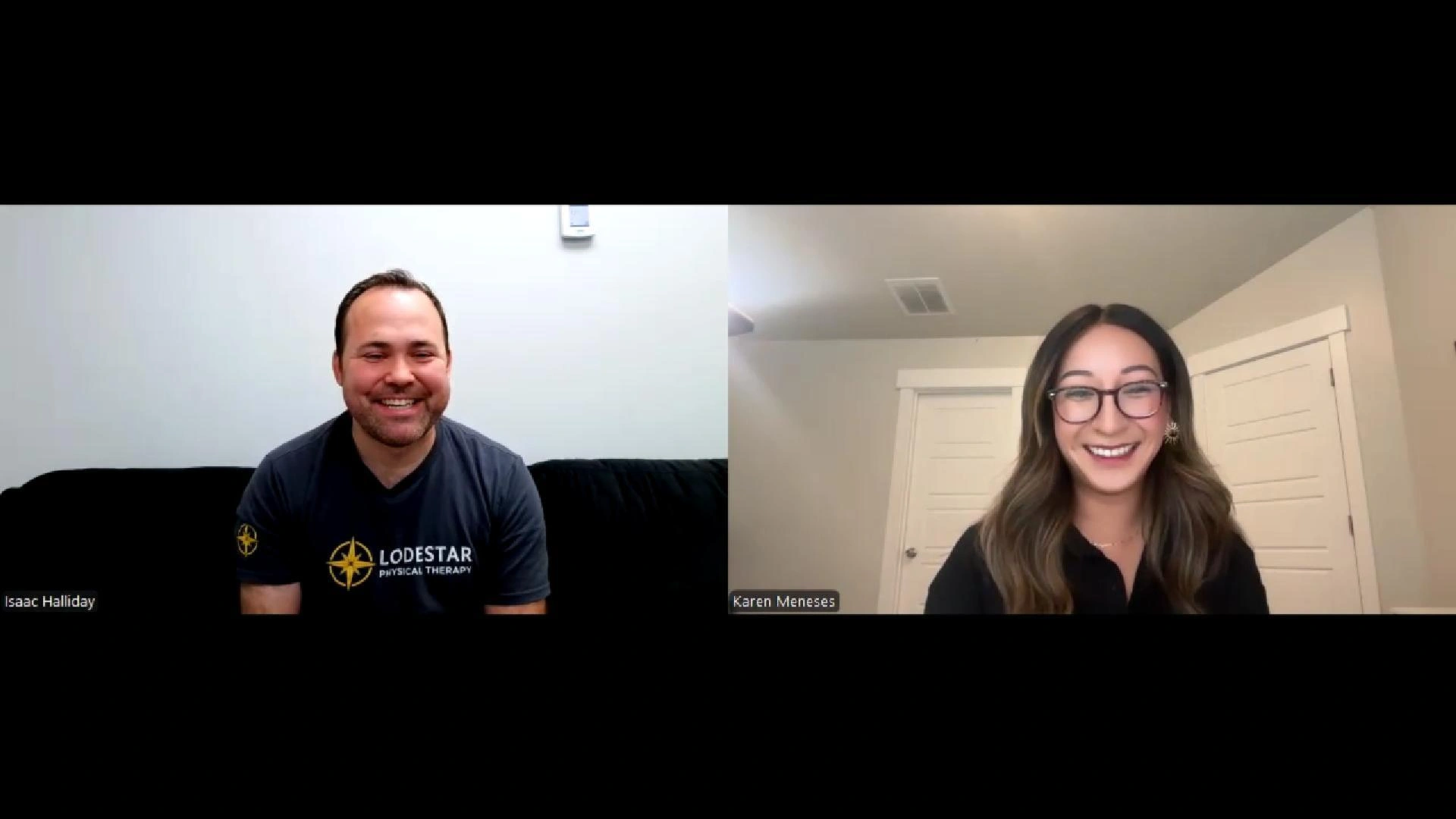
Spotlight Series Topic: Personal Injury and what a good team looks like
Guest Name: Karen Maneses, Steele Adams Hosman
Guest Credentials: Intake Specialist & Office Manager at Steele Adams Hosman legal for over 8 years
Discussion Details: We uncover the misconceptions about personal injury law and how to go about it the right way to make sure you are taken care of. What a good personal injury team looks like and everything they do for you to make sure you receive the care and attention you need to get through difficult a situation.
Benefit of Watching: Learn what a good personal injury team looks like, when to reach out to a personal injury attorney and learn everything that goes on behind the scenes to take care of you after a car accident or any other personal injury.
Address of guest’s business: 6713 S. 1300 East Salt Lake City, UT 84121
Dr. Isaac Halliday: Hi, I’m Dr. Isaac Halliday, uh, owner of Lodestar Physical Therapy, and I am here with Karen, who has worked in the personal injury field for over eight years, helping clients navigate some of the most stressful and vulnerable moments of their lives. at Steele Adams Hosman legal. She brings a strong mix of legal knowledge, compassion, practical experience uh to support injured individuals through claims process which can be very complicated. And so welcome Karen. Thanks for coming on uh and and chatting with me. This is going to be so fun. So excited to have you.
Karen Maneses: No, thank you. I’m excited to be here. thanks for having me on and letting me explain a little bit more of what we do because it’s this big it always sounds like this big scary thing and it’s it’s not and it’s really fun for us. So, thanks for letting me hop on and explain a little bit more.
Dr. Isaac Halliday: Yeah. Um well, I want to get to know a little bit more about you cuz you do like so many so many volunteer things and like not just your work but like you’re just awesome, right? Mother of three. Three boys.
Karen Maneses: Yep.
Dr. Isaac Halliday: Oh my word. Just wild. I have I have two other brothers, so like I know what it’s like with with two brothers growing up and it’s just a a big wrestling fest every day. Cool. What else do you do? You you volunteer for is it it’s MADD, right?
Karen Maneses: Yeah. So MADD is Mothers Against Drunk Driving. So it’s a national organization started by a mom who lost her daughter to an impaired driver. Um I believe it was 50 years ago. I think we just celebrated that 50th birthday. And yeah, we are a volunteer organization. Um you know, and each state kind of holds their own services and programs, but yeah, MADD’s been around for a long time. So, I’m really happy to be able to be a part of of their program and with my personal injury knowledge help help some more victims.
Dr. Isaac Halliday: That’s so cool. How and how long have you been How long have you been doing that?
Karen Maneses: So, it’s about a year and a half now. And I actually got in contact with MADD because one of our clients was hit by a drunk driver and MADD reached out to them to give them some support and services. And you know, the the client mentioned that to me and so I said, “Oh yeah, I remember MADD. I like grew up with MADD and MADD commercials.” And so I said, “I I want to be a part of it.” and I reached out became a victim service advocate um and shortly after what became the president for Utah.
Dr. Isaac Halliday: So that’s so cool. Yeah, that is awesome because you’re awesome and they’re like Karen needs to be president. That’s cool. Well, so you have like even have like all these different connections to help people recover and kind of get through their uh their hardship cuz I mean that that’s a big it’s a big thing when you get uh in an accident you know or a loved one passes away in a you know from a drunk driver or things like that. So that is awesome work. Thank you. So cool. Well, um I want to kind of talk a little bit cuz I mean and I get it a lot too of you know when someone you know gets in a car accident or whatever and um they come to me I’m like well have you talked to a lawyer or attorney and they’re like no I don’t think I’m going to do that like tell us what what should people do? Uh when should they talk to attorneys? All that stuff like boom I just got hit by a car. What do I do?
Karen Maneses: No, it’s a great question. And yeah, like I said, sometimes people think like hiring an attorney, that’s that’s I’ve never done that before and it sounds like this big scary thing. And you know, it also sounds like this big expensive thing. And so, um, a couple things kind of along with that. One, we’re just we our job is to help people in this difficult situation. And it’s, you know, life is busy enough. Like I can say my life today is busy enough, right? And I haven’t been in an accident. Knock on wood. But to then add, now you have to deal with fixing your vehicle and calling your insurance company and the other person’s insurance company’s calling you and asking you these questions and you don’t know if you’re going to say the right thing or if you’re going to say something that in the future is going to hurt your case. Um, and then you have to go and get medical care and you don’t know where to go and get medical care and you don’t know what’s going to happen with those medical bills and then you have to collect the police report. Like there’s so many moving parts that we can just take care of for you and just if you make one call to us, we make all of those 10 other calls for you, collect all the evidence. We just make it very simple to have this like one person who’s going to guide you through this process and all of your questions you can ask this one person. So it’s kind of just like hiring a little assistant after an accident, right? And saying, “What do I do? Can you deal with them?” Yeah. So like think of us as your personal injury assistant. Um Yeah. And so you you asked when should people call us? And I mean, how fast do you want an assistant? How many calls do you want to make before you realize someone else can do it for you, right? Um and I totally understand people saying, “Well, I’m I’m going to see how this plays out first. Um and so there’s no wrong time to call us unless you have settled your claim. Once you sign a release agreement with them, you have signed off your rights on any future claims with them and at that point it’s too late. Um, and depending on the situation, some insurance companies are going to be really pushy to get you to sign that because that means they are done with you and and they’re moving on to the next. Um, and usually if they’re really pushing, you know, they they either just want to be done or they’re hiding something sometimes. Um, so that should also be a red flag if they’re really working with you and trying to get you to sign off on that. Um, so anytime before that, we’re super happy to help. Obviously, the closer to the accident that it is, the more that we can do. For example, um, we have gone out, you know, the day after an accident and canvased an area and gone door to door knocking on people’s houses to see if they caught any footage of the accident on their Ring cameras or gas stations. And we have been really successful at that. However, companies and you know even people’s cameras they update and they lose memory so they can keep recording more and so that there is a critical window where the the earlier you call us the more we can do.
Dr. Isaac Halliday: Yeah. Yeah. Um, you know, that kind of brings up the point of, you know, I’ve heard kind of mixed things a little bit about this, but like if I get in a car accident, right, please comes over to come talk with me and they’re like, hey, what happened? Like what do you say? Like I’ve heard some people like don’t say anything. I’ve heard like, you know, like what is like what do you say? Cuz sometimes, you know, there is a camera there, you know, at a local business that you can be like, oh, just go check the camera. And hopefully the police do that, right?
Karen Maneses: Yeah. And sometimes they do and sometimes it’s a really busy day for them and they don’t have the time or resources to go and do that, right? And so one depending on them and to have the time and to have the knowledge to the resources too is is kind of scary, right? And you’re gambling that. Um and here’s the thing that everyone reacts different um when they’re in shock. And you know, and usually when you’re in shock, you’re not going to feel pain until that adrenaline settles. And a lot of people say, “Well, I said that I wasn’t hurt, and they asked me if I wanted an ambulance, and I said no, and that must be I ruined my case.” And we can always come back from things like that. Um, so, you know, try your best to to be calm. We do have some resources on our website to kind of after an accident, this is what you do. And that way you just have to get it out of your glove box and say, “Okay, I don’t even have to think. I just have to read these questions.”
Dr. Isaac Halliday: Yeah. Exactly. Like step by step because yeah, you’re going to be in shock and you’re going to be, you know, nervous and and not knowing what to say.
Karen Maneses: But try I mean, say say your truth and then give us a call and we can come back from anything that you said. Um, but yes, filing that police report, right? A lot of people are like, “Well, we’ll we’ll just exchange information and and and that’s okay.” But again, you’re gambling on someone then calling their insurance and saying something completely different. So, making that police report every single time is going to to pay off, you know, even if you have an appointment you’re going to miss or, you know, it’s going to pay off.
Dr. Isaac Halliday: Yeah. Yeah. And um you know I like when you said you’re like cuz people will be like yeah I didn’t need the ambulance then or my neck didn’t hurt then or my back or whatever. Um, I mean, I get people all the time from an accident that was 2 days or 3 weeks or 4 weeks, you know, after the accident and they’re like, “Yeah, no, this like started at the accident and I just didn’t realize it until, you know, a couple days or weeks later when it’s like, oh, my neck has never hurt or my shoulders never hurt like this.” Um it’s like well yeah sometimes it takes a while for that to show.
Karen Maneses: Yeah. Yeah. I mean it comes from shock and then sometimes you know people we want to minimize scary things right. So let’s say well it it does hurt a little bit but I’m going to take some ibuprofen and I’m going to I’m going to be fine in a couple days and then those couple days go by and it still hurts right. And so yeah it’s totally normal.
Dr. Isaac Halliday: Yeah. Yeah. So walk us through uh your your process like so someone gets in the accident, they did the smart thing and they called you like right away and been like Karen help me.
Karen Maneses: What is what is your process? Yeah, a couple things. Um and I’ll start from the very beginning, right? Like pre accident something you can do today are two big things. One, get a dash cam camera. that is like you can’t argue with actual footage, you know, and so having that is super super helpful. There’s some really inexpensive options on Amazon, um, $30, $50 that are going to pay off in the long run, right? And if you go on some cool trips, you can use it for other things. So, there’s that. Um, and also understand your coverage. Like, call your agent and say, “What does this actually mean?” Like, explain it to me in fifth grade language. because, you know, some of us are no better. We just don’t understand what what our policy actually means. And also ask, you know, like I’ve talked about gambling and and expecting people to do the right thing or say the right thing, but again, we expect people to have enough coverage to cover us and our injuries and compensate us fairly when by the amount of coverage that they have, right? and and we have no control over that whether people have insurance or have enough insurance. And so making sure that you have enough insurance in your policy is the best thing that you can do today. And so asking, you know, how much coverage do I have and what is the dollar amount difference if I move up to the next tier of coverage? And usually it’s only a couple dollars and it’s going to come in so handy later on. So that’s kind of like preac. So, if someone calls me and they’re at the accident scene, I would say a couple things. One, ask around and see if there’s any anyone that saw it that you can get their contact information. Like, witnesses are underrated. They are they come in so so handy. Um, you know, especially if they were just a bystander who has no relationship to either of you, right? So, ask around. Two is take pictures or a video. Um, a lot of times we just like forget or our memories, you know, or we just experience something traumatic and so our memories can can play us a little bit. So again, some you can’t argue with footage or pictures. So take pictures of the scene of vehicles. Um, the next thing obviously, like I said, is call call the police and make a report. And then if you’re calling us, we’re going to be able to take up every take care of everything else. And what that means is we’re going to um start requesting your medical records immediately. So if you went to the hospital, if you went in in an ambulance, we’re going to start requesting those. We’re going to reach out to your insurance company and the other person’s insurance company and make those claims for you. And that can save you so much time. Um I mean, I mean like an hour each, right? So we’re going to make those claims for you. We’re going to let them know that you’re rep being represented by our office and so they don’t need to contact you and all communication just gets directed through us. We are going to collect all of the evidence of the accident and that doesn’t just mean a police report, but we do also collect the 911 call because sometimes other people call it in and now you have a witness, right? Um, we’re going to request any body cam or dash cam footage, any other witness statements. And like I said, sometimes if liability is being disputed of who was at fault, then if we’re early enough, we can go and canvas the area or other businesses that might have that. So that’s what we’re going to do initially and we’re going to make sure that you get into someone who knows the process of personal injury, knows common injuries and um gets you treated and you don’t have to worry about the medical bills. That just all gets directed to us and we take care of it all for you.
Dr. Isaac Halliday: Yeah. Yeah. I think that’s that’s probably I think the biggest misconception too that I that I see with patients that have been in accidents that Right. one, they don’t know like what a lean means, right? It’s like, yeah, you know what? You can get the medical care that you need. You can get all of the stuff that you need and right, you guys take care of it, right? And so it doesn’t cost them anything really cuz it all goes through their insurance and at the end of the case, they usually get money out of it, too.
Karen Maneses: So, because that’s always the goal, right? like they were the ones injured and they were the ones who went through through this experience and yeah, like I said, it’s traumatic and it there is pain and suffering not just for you but also your family members who now have to give you rides and who have to pick up the slack around the house and yeah, your partner because now you’re tossing and turning and you’re not letting them sleep, right? So there is I mean it affects a it creates these big ripples into your life. Um, and so you are the center of and and you should be treated as the center of this whole claim.
Dr. Isaac Halliday: Yeah. Yeah. I love it. Um, you know, and and I love I love your your approach too of like, you know, it’s it’s your claim. It’s not our claim. It’s not, you know, it’s not you’re just not a number. You’re like, we’re here to take care of you and make sure that your life is as easy as it can be in the circumstance that it’s in, right? which um can be pretty bad u sometimes and sometimes you know even on the little ones it’s like oh okay cool you know it’s I mean I’ve seen people after I had accident it’s like cool yeah we’ve seen you four times and you’re back to normal and you’re good to go like great nice job
Karen Maneses: I wish that was the case for every client
Dr. Isaac Halliday: I I do too
Karen Maneses: sometimes they go on a long time but yeah that’s the whole purpose is to get you as as best as as we can alongside with I mean we create this team right of like medical providers us um I mean we are a team and so someone that works as a team like knows that you are at the center of this whole thing
Dr. Isaac Halliday: yeah I love it um what is like the biggest mistake that you’ve seen from people um during the claims process or during any of that process what’s like the the number one mistake that people call in and you’re like, “You did that already?” Or or whatever. Yeah. Or you didn’t do that. Maybe maybe Yeah. Maybe maybe it’s something that they didn’t do.
Karen Maneses: Yeah. I mean, I I would say a couple. Um one is we have had people come in and say, you know, I’m still dealing with these injuries and this still hurts and they’re so young, right? and like they’re going so they’re probably it’s a permanent injury by that point and they’re going to have some kind of pain or discomfort for the rest of their lives and they’ve settled and they’ve already sign a release and there’s like I said nothing you can do about that. um that’s really frustrating or they have already settled their vehicle damages and although there’s we guide our clients through uh the vehicle damage process because it is two separate claims. Um and we don’t take a fee on that. That’s something that a lot of people are always like, “Well, I’m going to get even less if I hire an attorney.” We don’t take a fee on your property damage. Um
Dr. Isaac Halliday: Yeah. And people settle that so quickly too often.
Karen Maneses: Yeah.
Dr. Isaac Halliday: Yep. Yeah. I mean, I’ve seen I’ve seen some people where it’s like, you know, the initial offer that the insurance company gives them, they’re like, “Oh, yeah, that’s great.” You know, and then I’ve seen other people that are like, you know, that is a good number. But, you know, then all of a sudden they use an attorney and they get, you know, one and a half times more, you know, they’re like, “Oh, man. This is even better.” And like you said, you don’t take the fee off of it. It’s just more money in their pocket to re to to fix their their loss of a vehicle. So, yeah.
Karen Maneses: Exactly. No, I know. And especially in Utah, right? Like we need our vehicles and we depend on our vehicles so much and so I understand the urgency, but you just said it perfectly. It’s an offer which means that there there’s room for negotiations always. Um yeah, and and sometimes people just get excited or they say, “Well, I just need a vehicle and so yeah, I’m going to take it and move on.” There’s always room for a negotiation.
Dr. Isaac Halliday: Yeah. Yeah. And then like you know again cuz I think people I don’t know they hear the word lawyer or attorney and they’re just like they freak out thinking that you guys are just these like bad guys just to trying to make all sorts of money, you know, hand over fist, but um which is just not the case. Um, and uh, so like when they come to you, like I think everyone’s expecting like a huge fee just to like call you. I don’t know like how is your like consultation process? What does that look like?
Karen Maneses: Yeah, absolutely. It’s really funny you said that actually because we are very aware that people, you know, think lawyers are maybe not honest or yeah, they’re in it for themselves or um you know, it’s this big scary thing. And most of the time people have never talked to an attorney before this. Um and so something that we do at the office is we make home or we bake cookies in the office every single day. Multiple times a day actually.
Dr. Isaac Halliday: Oh man.
Karen Maneses: and just walking and and just smelling like chocolate chip cookies just kind of like puts your wall down a little bit, right? And having a cookie and sitting down and literally breaking bread with someone and saying, you know, I understand this is a really hard time. And so that’s one small thing that we do to to try to break that barrier. Um our fees are very standard across Utah. Um, most attorneys really are. And it’s just like you hear on commercials and TV ads and radio, you don’t pay us until we win. It It’s true. It’s fully true, right? Um, so our fee is is a contingency fee. And what that means is exactly that we get paid contingent upon a settlement. And so I’ve never seen this happen, but I always say if the offer is zero and that is their final offer, 33% of zero is zero. And so you don’t pay us anything. And there are other costs that we are going to invest in your case. You know, things like medical records, we have to pay for copies of those. We have to pay for copies of all the police evidence that I mentioned. We pay for that upfront. And if at the end of the case, you know, you feel great and you don’t need an attorney anymore or you decide that, you know, like the offer is zero, then you never have to pay us back for any of that. That’s just things that we invest in. But it happens so, you know, not frequent that it’s always worth it to help someone.
Dr. Isaac Halliday: Oh, yeah. Yeah. and and everyone that I’ve worked with too when you know when everything is said and done and finalized and you know maybe the payout wasn’t as much as they had thought up front you know they always go to the health care providers and wherever those bills are coming from and you know and I’ve you know they say hey you know like this is we didn’t get as much as we thought and so like can you do a reduction and we always do because again it’s all about the patient right and so um but again you you guys do all that negotiating and the patient doesn’t have to worry about it which it’s just a huge thing off of their plate. Um,
Karen Maneses: we have a whole team actually dedicated to do just that and it’s called dispersement team and they cross all our our tees and dot our eyes and make sure that every provider is going to get paid so that when you receive your check that is free and clear and you don’t owe anyone any money and that we have gotten you the most in pocket whether it’s I mean between the insurance and then also you know big medical providers your health insurance like they expect to receive receive or to be asked for a reduction. And so we have a whole team that streamlines that process so that yeah, it’s as easy and painfree for you as possible.
Dr. Isaac Halliday: Yeah. Yeah. I love it. Um I think that’s just awesome. Um and uh and I did not know you made cookies every day for people. You need to your office is just down the road. I’ll be there every morning.
Karen Maneses: fact, I’m headed over right after this.
Dr. Isaac Halliday: There you go. Perfect. Um, so, uh, other than the cookies, what and, um, and just the fact that you just just care about every client that you have, like what what else sets uh, Steele Adams Hosman apart from from the rest?
Karen Maneses: I love this question because I have worked at other law firms and you know other people who who are part of our team also have and we’ve even had clients who have moved over from other law firms. Um and I will tell you that hospitality is actually one of our core values. We had a book club within the firm and one of the books that we read was unreasonable hospitality. It’s a fantastic book for a
Dr. Isaac Halliday: great book. That is an awesome book.
Karen Maneses: Love it.
Dr. Isaac Halliday: I love it.
Karen Maneses: And we really adopted that. We really wanted to make sure that, you know, in the law firm space, that’s not something that you usually think about or expect from your law firm, right? Um, and so we said, we are in the business of helping people. And so, we get to really know people and we really get to know, you know, hey, I I’m calling in because I have to update my address because I just moved. Oh my gosh, congratulations. Where’d you go? Um, and so each of our parallegals has a budget, a monthly budget to use, and they are highly encouraged to use that um to provide some kind of hospitality gift or act of service to a client or one of our own team members. Um, and it’s really fun to see kind of what everyone does with it. So, like I said, sometimes it’s a new mom and we send the mom a new a gift or sometimes, you know, it’s the opposite. It’s a death in the family. We just want to say, “Hey, we’re really sorry that you’re going through this.” Um, we had a client who he was a real estate agent and so, you know, income isn’t always consistent and he was in a really bad bike accident and we set up a GoFundMe and raised thousands of dollars for him. So, we hospitality is something that SH really, really values and we have a lot of fun with. Um, but besides that, our firm litigates a lot and sometimes that means that we’re not the right firm for everyone and that’s okay and we are super happy to, you know, we have colleagues. We we are super happy to tell you who the right person for you to talk to is. Um, but what that means is there’s kind of two phases in the claims world, if you will. So there’s something called pre-litigation and that’s we talk to the adjuster and we negotiate with the adjuster and the adjuster is the one reviewing your case and if we can agree to an amount with the adjuster then great settlement and we close it out. That’s it. However, if we don’t agree on a number, you know, and it happens very often and a lot of firms say, well, this is the best you’re going to get. This is it or nothing. and you are kind of just forced into signing off on something that you don’t feel good about. However, with our law firm, because we litigate, that means we will file a lawsuit. And at that point, um, it kind of goes to a whole court system, and it’s a whole different process. And what the insurance company has to do then is they have to go out and hire their attorneys. And so then our attorneys are talking to their attorneys. And it’s this very um attorney to attorney kind of thing at that point. And like I said, a court system is involved. Um, but what that means is that one t cases can take longer in litigation, right? It’s I mean, you’re dealing with a court system and court schedules. And however, that opens up a lot of opportunity. Like at that point, you know, a jury might be the one to decide, you know, what you should be compensated. Um, a judge might be able to decide, a an attorney might be able to make a better offer. And so that’s also something that sets us apart is we are not going to be bullied by insurance adjusters.
Dr. Isaac Halliday: I love it. I love it. That’s awesome. Yeah, that’s that’s that’s nice to know that it’s like, hey, I have a whole team. Not only do I have an assistant that’s going to do everything for me, but I have a whole team behind me that’s going to go to bat for me, that’s going to fight for me, right, in case anything happens. Like, I’m going to You’re just in in the best care. You have the best team. I love it.
Karen Maneses: Thank you.
Dr. Isaac Halliday: That’s awesome. So, how can uh somebody get a hold of you um if they are in an accident? How what where can they go? Who can they call? email, social media, what how do they do that?
Karen Maneses: Yeah, absolutely. So, it’s Steele Adams Hosman or SAH law. Um, we pop right up. You can give us a call. Um, phone number. Our email is all in in our Google page um or info@sh legal and we have like I said a whole team and myself included that will reach out to you and make this as streamline as possible. I mean sometimes we even go out to the client’s home or work to get documents signed. Like I said we know that it’s going to be a very busy time. Just life is busy and then you have to add in well now I have to go you know to get treatment. So, we try to be super flexible and as easy as possible.
Dr. Isaac Halliday: That’s awesome. That’s so great. Well, is there anything that we missed or that you want to go over still or um
Karen Maneses: No. Um I guess you know, you said how does the consultation process happen? And yeah, all consultations are 100% free. Um, if you have an attorney and you just want to know, you know, kind of what the next steps are or you want to have a second opinion, we’re super happy to do that. Um, or even if you’re on the fence, like there is no obligation. Um, you know, some people will say, “Well, I want to see what they say first.” And we say, “Great, give us a call then.” Like, it’s we’re not selling you anything. We want to just help and and if we get the pleasure to, we’re super honored to. Um, but we’ll just be super real and honest with you. So, if you have any questions without any sales um
Dr. Isaac Halliday: Yeah.
Karen Maneses: Yeah. thing behind it, we’re super happy to talk to you.
Dr. Isaac Halliday: Even if they just want to come get a consult, eat some cookies.
Karen Maneses: Exactly.
Dr. Isaac Halliday: And then be like, stop online. I love it. I love it. So, I mean, there you go. It’s like it’s risk-free just to even just come talk to see if you even have a good case or even if you’re a good fit and uh and then you take care of them. So, can’t ask for anything better than that. I love it. Well, very good. Well, thanks for coming on. Uh man, hopefully maybe a little bit later when we’ll do it again. I don’t know. I think next week we have your um uh your colleague coming on next week.
Karen Maneses: So yeah, Justin is great. He is one of the three partners and he is um kind of the opposite of what people think when they think of an attorney. He’s just a super cool laidback guy. So I’m really excited for for you to talk to him.
Dr. Isaac Halliday: Oh, I’m excited, too. Awesome. Well, thanks again. Um, and yeah, if you need any help, go talk to Steele Adams Hosman. And uh, hopefully Karen picks up on the other end.
Karen Maneses: I would be happy to. Thank you.
Dr. Isaac Halliday: Yep. See you.