
Weeks 1–2
Pain
Calm the pain down.
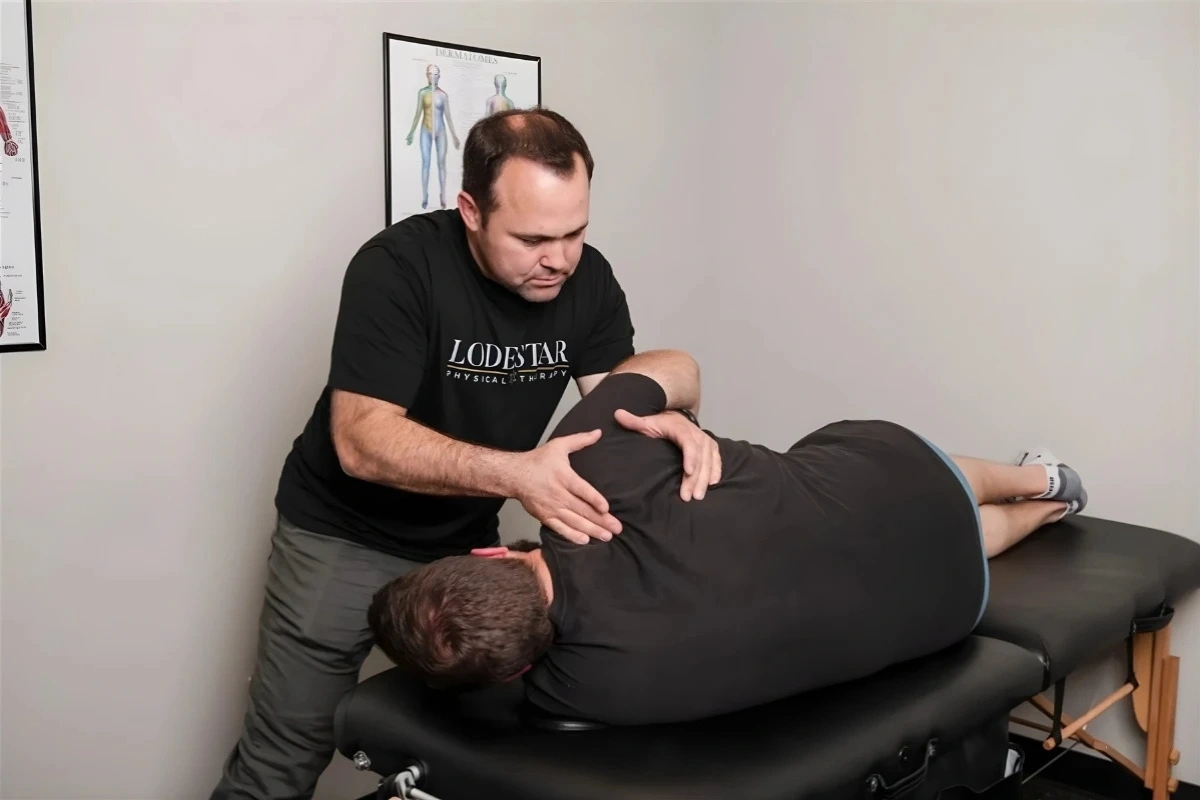
Hands-on work, gentle movement, and calming an over-sensitive nervous system take the edge off, starting your very first visit.
What We Treat
The pain that has outlasted every scan, every fix, every “give it time.” The kind you have started to plan your whole week around. It is still fixable, and it starts with a cause-first evaluation, not a guess.
Sound Familiar?
Two or more? Keep reading.
Why It Happens
When pain sticks around for months, it’s rarely still about the original injury. And it’s almost never just one thing. It’s usually some mix of culprits: a nervous system that has grown more sensitive over time and now sounds the alarm too easily. Muscles and joints that got weak and stiff from months of moving less. Poor sleep and stress that turn the volume up on pain. And a very understandable fear of the movements that used to hurt.
That’s not in your head. It’s in your nervous system, and it responds to the right plan. It takes a real, cause-first evaluation to sort out what’s actually keeping your pain going now. That’s why one more scan or one more pill so often falls short: they chase the symptom, not the system driving it. Calm the system, rebuild your capacity, and the pain finally has room to settle.
The Honest Truth
Nobody regrets starting too early. Every week, someone in our clinic says they regret waiting.
How We Fix It
You’re the one who keeps going no matter what, so you learned to live around this. You don’t have to. You’ll work one-on-one with a Doctor of Physical Therapy, every visit. Every plan has an endpoint. Here’s what the four phases look like for chronic pain.
Weeks 1–2
Pain
Hands-on work, gentle movement, and calming an over-sensitive nervous system take the edge off, starting your very first visit.
Weeks 2–6
Prime
Graded, non-threatening movement restores the range and the confidence you lost from months of guarding.
Weeks 6–10
Perform
Progressive strength rebuilds the capacity you lost, so daily life stops feeling like too much for your body to handle.
Weeks 10+
Prevent
You learn to read your own flare-ups and settle them yourself before you’re on your own: that’s the endpoint, not just another appointment.
So impressed with Dr. Isaac Halliday and Lodestar Physical Therapy! Had a chronic issue with my hip that I thought I would have to live with the rest of my life. After just one session, I had miraculous relief from the pain! I continued working with Dr. Halliday until the issue was fully resolved which was months faster than expected. Highly recommend!
Shared by William B. · Chronic pain
Week 1: pain every day, planning life around the flare-ups
Week 12: whole days that go by without thinking about it
Questions, Answered
Yes, and long-standing pain is a lot of what we do. When pain lingers, it’s usually being kept going by a sensitized nervous system and months of doing less, both of which respond well to the right plan. We start with a hands-on evaluation to find what’s actually driving it now, not just what started it. You don’t have to accept this as your normal.
Usually not. Pain that lasts is more about a sensitive alarm system than ongoing damage, which is often why scans come back fine while you still hurt. That’s genuinely good news: a system that learned to be loud can be taught to settle down. A Doctor of PT explains exactly what’s going on in your case at the evaluation, so it stops feeling so mysterious.
Most patients feel meaningful change within 4-6 visits. A full plan for chronic pain runs through all four phases, Pain, Prime, Perform, and Prevent, typically over 8-12 weeks, depending on how long it’s been going on. Either way, you get a plan with an endpoint: you’ll always know which phase you’re in and what’s left, not an open-ended string of appointments.
Book Your Visit
Request a time and a real person calls you back, usually within two business hours. No phone tree. No ‘someone will reach out.’ Just a plan.
4.9 · 70+ Five-Star reviews
Typical response: under 2 business hours
Step 1 of 5
That’s the hard part done. We’ll call during business hours to lock in your time. Most people are on the schedule same week.
Visit Us