


Interview with Justin Hosman
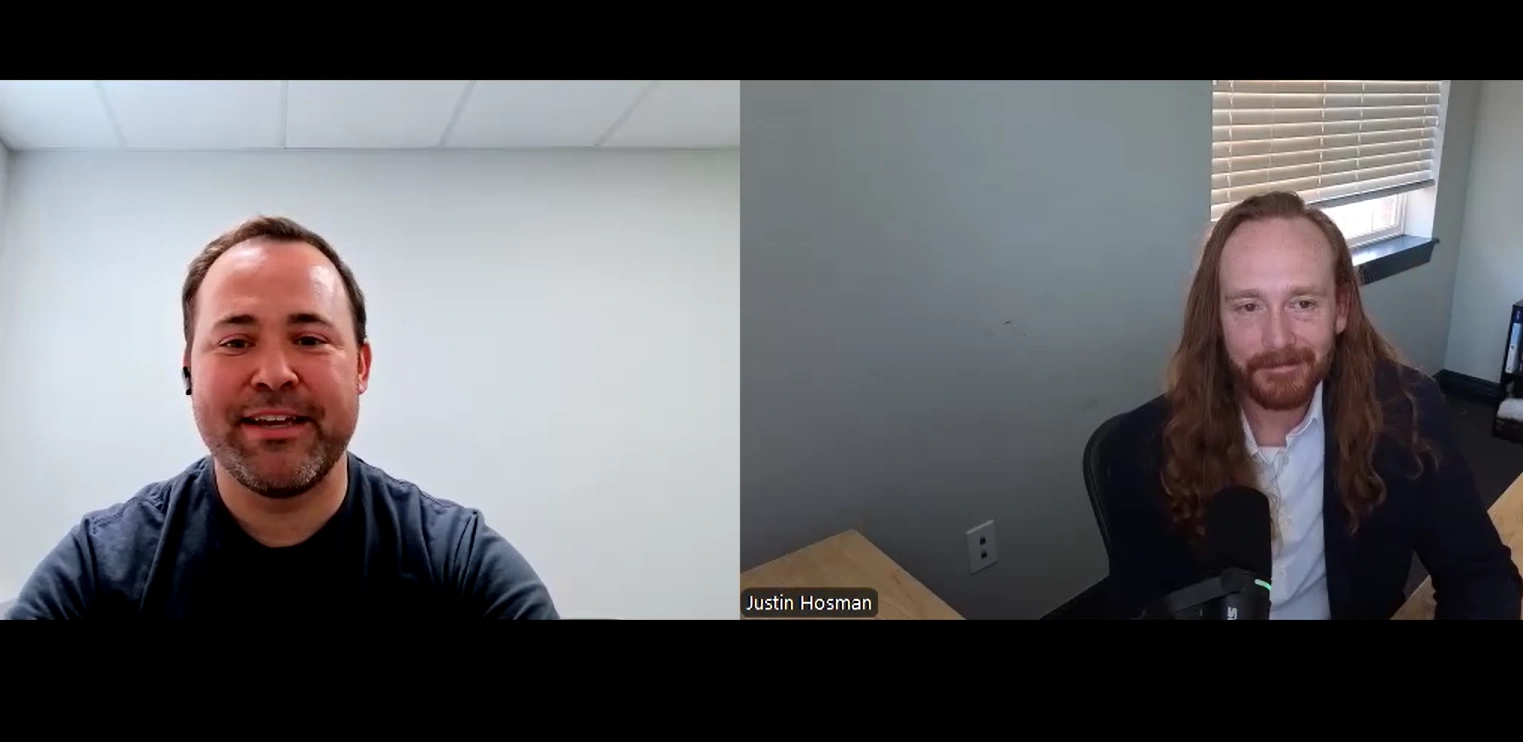
Spotlight Series Topic: The essentials of personal injury
Guest Name:Justin Hosman
Guest Credentials: Personal Injury Attorney, Partner at Steele Adams Hosman Legal
Discussion Details: Justin and I discuss the essentials of personal injury: what to do after an accident, why you need an attorney, what is the process of a personal injury claim and how Steele Adams Hosman fights to ensure you get the best possible outcome.
Benefit of Watching: Learn the process of a personal injury case, what a good attorney can do for you and how they help turn a bad situation into the best outcome.
Address of guest’s business: 6713 S 1300 E, Salt Lake City, UT 84121
Dr. Isaac Halliday: Hi, I’m Dr. Isaac Halliday at Lodestar Physical Therapy and I am here with Justin Hosman who’s a personal injury attorney and a partner at Steele Adams Hosman with over 10 years of experience. Um, so good to have you on, Justin. Uh, thanks for coming or having your assistant schedule you to come on.
Justin Hosman: That’s right.
Dr. Isaac Halliday: It’s good to it’s good to have you. So, um, yeah, tell us. I mean, this is this is the first time I’m meeting you, too. So, uh, very exciting. I mean, I’ve heard about you. I’ve met your dad. I’ve met Karen. So, um, tell
Justin Hosman: Yeah, I hope I hope it’s as good. It’s as good as you hoped, you know.
Dr. Isaac Halliday: I hope so, too. Um, tell Yeah, just what do you tell us about yourself? What do you like doing? hobbies, uh, family.
Justin Hosman: Um, so family, uh, I’ve got three kids, um, 7, five, and three, so it’s it’s pretty busy. Not a lot of time for extra things, but when we do have extra time. Um, we love, our family loves Disneyland. Um, probably not unique. Um, uh, I love, uh, we got motorcycles a couple years ago. We really enjoyed that. It’s kind of like a lifelong dream to get on get on bikes. Um I like big fan of music. Kind of make it a hobby to make music with um computers and synthesizers, weird stuff like that. And um love books, movies. The current the current book obsession is Dungeon Crawler Carl at our house. I don’t know if you’ve heard about it.
Dr. Isaac Halliday: It is I have not.
Justin Hosman: It is completely wild. Um, so we’re nerds. We’re like, we’re major nerds at our house.
Dr. Isaac Halliday: Dungeon Dungeon Crawler Carl.
Justin Hosman: That’s right. Yep.
Dr. Isaac Halliday: I love it. I’ll look it up. Uh, that’s awesome. Uh, cool. Well, um, man, with over 10 years of experience, you’ve probably seen all sorts of stuff, I’m guessing. Um, and then when did I I guess when did when did Steele Adams Hosman become a thing? Have you always been you just like came out of the gate and started it or partnered or
Justin Hosman: No, I kind of had a little bit of a winding path to get to personal injury. I actually clerked out of law school and during law school at a criminal defense firm. Um his name is uh Josh Baron. Wonderful guy, awesome mentor. So, I did criminal defense work and then I was a prosecutor for some time for the city of West Jordan. And then um I kind of and then I got connected with one of my law school friends who invited me to come work at a personal injury law firm. And then shortly after that, we started uh well, it was actually Hosman Adams or Adams Hosman um with a buddy from law school and then Steele joined us that same year. So it would have been it would have been 2019 when we started. Um we I had we had just had our first baby. We just bought a house and in fact like a week after we had our first kid we we started the firm. It was in retrospect very silly but we made it. We made it.
Dr. Isaac Halliday: That was a a big year. Yeah. That’s cool. Yeah. I remember I I started Lodestar Physical Therapy in 2020. I’m like, I I got nothing else. Like, let’s just throw the dart and here we go.
Justin Hosman: 2020 was wild. That was co That’s a scary time to start a business. Good job. That white knuckle.
Dr. Isaac Halliday: It was like if this doesn’t work and then uh I’ll go be an electrician, I guess. But we’re still
Justin Hosman: Yeah. in a business has that like burning the ships thing, right? When you’re like, I have to make this work.
Dr. Isaac Halliday: You have to make it work.
Justin Hosman: And that’s kind of where we were at. So, it’s exciting and terrifying at the same time.
Dr. Isaac Halliday: Yeah. Yeah. Um Oh, there was uh man, there was a quote that I just Oh, it was a quote by Winnie the Pooh. Uh and he says he said something along the lines of like uh I get to where I’m going by leaving where I’ve been. And it’s like, you know, it’s kind of like that burning the the ships and just like if I got to get there, then I got to leave where I’m at.
Justin Hosman: And yeah, that would be the Winnie the Pooh version of Burning the Ships. It’s so like heartwarming.
Dr. Isaac Halliday: It is. It is. Winnie the Pooh is like one of my favorites. But yeah, I get to where I’m going by leaving where I’ve been or something like that.
Justin Hosman: Walking away from It’s so true. Well, and like when you’re growing a business or when you’re trying to do new things, that’s it’s always that. So, we’ve, you know, we’ve been trying to grow more and um it’s really uncomfortable, you know, um as a cuz you play dual roles when you own a business and you work in the business. Um I think all of us here are really comfortable being attorneys, but nobody taught us how to run a business. It’s very, very different skill set, right? And so it’s it’s uncomfortable kind of realizing kind of how much you don’t know about that and how much you have to improve and it’s good but it’s definitely where I haven’t been, you know.
Dr. Isaac Halliday: Oh yeah. Yeah. 100%. I’m in the same boat now. It’s like we’re growing but it’s like oh man takes money to grow and then you still got to pay the employees you have and then right still got to pay yourself.
Justin Hosman: I have to start a podcast apparently.
Dr. Isaac Halliday: Apparently, I got to do this like every other white white male in America.
Justin Hosman: That’s right. That’s right. Here we are.
Dr. Isaac Halliday: Here we are.
Justin Hosman: Here we are.
Dr. Isaac Halliday: Here we are. Uh well, tell us a little bit about um SAH like how many how many uh attorneys do you have? What what do you cover? Is it just PI? What is it? Yeah, tell us all about it.
Justin Hosman: Um so, the majority of our people at the firm do PI, but there is a little bit of a split. So Chase Adams um
Dr. Isaac Halliday: Oh, you you just froze.
Justin Hosman: He actually did did and does multi-million dollar
Dr. Isaac Halliday: go back a little bit. You froze.
Justin Hosman: Oh, okay. Y um so the firm is split a little bit. Most of us do personal injury work, but um Chase, who is the Adams and Steele Adams Hosman, so he’s his history is in civil work. So he does a lot of civil litigation. and he did a big civil jury trial last year and had a really amazing outcome. It was like a multi-million dollar dispute. Um, still being fought at this point from what I understand. Um, and he also does a lot of corporate council work. So that is part of the business. Um, I don’t work in that. I do PI. So there’s um, Chase and uh, three other attorneys that do that civil work. Um they’ve got a parallegal on the PI side. There is me, Jeff, Michaela, Weston for attorneys and then we have um quite a bit of support staff to help um those attorneys run their case loads. It’s um it’s kind of intense as far as the requirements because uh one of the ways that we’ve distinguished ourselves as a firm is that we file a lot more lawsuits than most. Um, I think that we’re close to about six out of 10 um, cases that come through our firm usually have a lawsuit filed. And usually that’s because the insurance company just isn’t understanding or is refusing to understand what’s happened to our clients. And so we kind of have to use the court system to kind of force them to see what’s going on and understand the risk involved. But as a result of that, we usually get um significantly higher outcomes for the client than they would had we not filed the lawsuit.
Dr. Isaac Halliday: Nice. Cool. How long does that process typically take? Right. Cuz from my understanding, right, if you like someone gets in an accident, they get hurt, um goes to the insurance, the insurance usually will be like, “Cool, we’ll pay you x amount.” Um and then if they agree to that, it’s like it’s over, right? once they sign something. Um that’s right. But then if but if they’re like hey I don’t that’s barely covers my car or I don’t think that’s right and they come to you. How long is that typical process of and I know it can vary but
Justin Hosman: yeah no it’s a great question because I think it’s a question there’s I think it’s um there’s a lot of like weird information out there and the other part is that our clients um and you’ve seen this are really in a bad spot when they are coming to see a PT or when they’re coming to see a personal injury attorney. I mean, if you can imagine um getting injured really badly, not having transportation and kind of like more likely than not also having a brain injury and going through like the emotional and the mental stress of a brain injury all at the same time. uh it’s very difficult and so they they feel an intense amount of kind of um pressure in their lives like financial pressure and time pressure to be able to solve um financial problems that are right before them right in their faces and usually part of our job is to say hey if you have a permanent injury and you like let’s just say that you know you need to go see a PT once a month for the rest of your life to kind of make sure that you’re maintaining the progress and the strength that you need to manage your injury. Um, I need to make sure you have a bank account set aside so that you can pay for that PT because this the the most tragic thing that I see is when somebody walks away from a crash and they are in a lot of pain and they settle their case and they don’t have that money. What what’s happens is that they don’t they don’t go get the care because they can’t afford it and then their injuries get worse and their their entire quality of their life just gets progressively worse because they don’t have the money um set aside because they’re dealing with other financial pressures to be able to get the care that they need. And so it’s a it’s a really hard thing to navigate when people are in that position. they have problems now and we’re trying to take a step back and look at like the long term for them. Um, yeah, it’s a it’s an interesting thing, but anyway, that’s not really the answer that you’re looking for. So, what yeah, what you described is something that’s called that we call the prelitigation process. Um, and pre-litigation is the idea that we want to understand the injury. We want to put together a good kind of packet of evidence that we call a demand that we can send to the insurance company saying, “Hey, insurance company, here is all the evidence of the injury that you need to be able to give us like the the policy limits or the money that we need to take care of this person.” And then there’s an they usually send a first offer that’s a terrible lowball offer. It’s not the final offer. It’s an invitation to negotiate. So, we negotiate and then if we can’t get to a good position in negotiation, then we then and if the client’s okay with it, we file the lawsuit. Um, that pre-litigation process um dep the the timeline depends heavily on what the injuries are. If the injuries are simple and we understand the timelines for recovery for those injuries, uh 6 to9 months is a is a pretty conser like it’s a pretty good timeline to be able to like get through that process. 12 months is kind of like a, you know, also in there if if it gets more complex. Um, if you file a lawsuit and you file a lawsuit after that initial process, you’re looking at about one and a half to two years to get all the way to a jury trial. Um, but the grand majority of cases don’t get to the jury trial point. At some point during that litigation process, the insurance company and the attorneys kind of get to some resolution together where the insurance company’s finally saying, “I see the evidence. I understand what you’re saying and we need to take care of this person.” Um, but that’s and that I think usually will happen at the year mark after you file a lawsuit. That’s probably like a a timeline you could you could count on.
Dr. Isaac Halliday: Yep. Yep. That’s and then yeah those um in fact when you’re uh like talking about like when right when you first in that accident you have like all this stuff and you’re like uh like all you want to do is like what can I do to like make sure I can get back to work tomorrow or like have a car right and a lot of people take that first offer from the insurance because it’s like cool it gets my car back right or they don’t have pain that A and so they’re like, “Oh, I just need my car back.” Like, yeah. You know, and then a week later they’re like, “Uh, whoops. My neck is hurting. Oops.”
Justin Hosman: Yeah. Yeah. Well, and here’s an important distinction to be made, too, is that the car part of the of your claim and the injury part of your claim are two separate claims. So, they actually go to different policies and different insurance adjusters entirely. And so usually they will get their car kind of fixed within the first month, maybe two months. Um I will say this, um the recovery for the property damage is almost always disappointing to our clients and that has a lot to do with the nature of vehicles. Um vehicles are they just don’t hold value. It’s not it’s not a fun thing. So we we have some connections that we we give to our clients to help them through that process if it’s like a total loss and we coach them through it. But usually our clients get that resolved within the first month or so. Um so that’s not something they necessarily have to worry about for that whole, you know, 6 months to a year to like two-year process there. That’s not part of it. But um it is it’s still really frustrating.
Dr. Isaac Halliday: I mean, when you live in a place like Utah, you have to have a car.
Justin Hosman: You have to have a car.
Dr. Isaac Halliday: You have to. Yeah. Unless you live downtown in your little bubble. You just go from your apartment, walk two blocks to work, whatever. Right. But that’s not the majority of us. Um, so like that brings up the the next thing is, right? So if they’re in litigation, right, these patients, they’re they’re building they’re basically acrewing all this medical debt essentially like um and and I know like some people that I’ve had are worried about that. They’re like, “Oh, well, how much is this going to cost? What is like how what is that like what do you tell those patients?” you know, that they’re like, “Oh, I have to go to this doctor again or that doctor.” Like, because the burnout is also real with medical appointments, you know, like I’ve had patients that they’re like, “You’re my eighth visit to a doctor this week.” And I’m like, “That’s frustrating and exhausting. Frustrating for you.” Yeah. Yeah. So, like, yeah. What do you tell them with, you know, like, “Hey, the process is going like don’t worry about your medical bills really.” or do you like, “Oh, hey, here’s what we do.”
Justin Hosman: It’s uh So, this actually gets to kind of one of the core tensions, I think, of a personal injury case that is, uh, it can be really frustrating to be dealing with this. So, um, let me kind of go back because when you’re in a car crash, there are essentially three buckets of potential money recovery places and they go sequentially. So, the first bucket that you go through is called PIP insurance. It’s personal injury protection insurance. Almost everybody in Utah has about $3,000 of this. It’s actually legally required to have at least $3,000 in PIP coverage. The idea behind PIP coverage is that it doesn’t matter whether you’re at fault or not, you have $3,000 of runway to go see a doctor if you’ve been in a crash. So, the idea is is is to kind of like take away the the idea of involving attorneys at all and putting stress on the courts by giving this little bit of medical runway um for everyone. I think it’s a very cool thing. um it has other problems with it, but I think that it’s a sound idea. So anyway, that pays out no matter what. The medical people that you see, if they get the the policy number, they can just directly send their bills to the the PIP carrier and the PIP carrier pays them. So that’s first bucket. Second bucket, we actually and by the way, PIP is your own insurance um that pays that. And so we move from our own insurance, then we move to the at fa party’s insurance. Once we’ve exhausted that PIP, now we can make a claim against the at fault party. And this is where it gets a little hard is that a lot of your claim budget, if you will, like what you can get for medical care has to do with how much the atfall party has, how much their coverage is. So the the lowest possible um limit in Utah was just changed recently. It’s $30,000. Um, so you’ll see $30,000, $50,000, and $100,000 are the most common policies. And so once we know that, what we essentially know is like this is the this is kind of like the maximum recover we can get from that person that’s at fault. If we get that, then we can move to the third bucket and we go back to your own insurance. That’s called underinsured motorist coverage. and that is it kicks in in the event that the person that hit you didn’t have enough insurance to cover you um and that it’s got the same kind of like policy tier and so when we look at all of that together we get an idea of the maximum allowable recovery and the saddest cases that I have are cases where the the person is very very injured and the policy limits of the person that’s at fault are far too low to ever compensate them and that’s actually far more common than everybody understands. You’re really at the mercy of the person that hits you and whether or not they’re they have like a responsible policy or a policy at all.
Dr. Isaac Halliday: Right. Right. Yep.
Justin Hosman: So, so and so when you look at that, and this is kind of the weird part to kind of get to your question, is that as an attorney, we’re looking at how much the bills are stacking up against the budget essentially and how much that leaves the client at the end of the day. And so, you’re always trying to m because the the medical care itself is evidence of the injury. And so we need the client to get the medical care to create the like so that we have evidence of injury, but you also don’t want to have so much medical care that the client can’t recover anything either. And that’s the balance. That’s the hard part about helping with these cases is the client says, “Well, I need this this procedure, you know, and I say, well, there’s I mean, there’s not a lot of budget for it. You know, these are kind of our options.” And so the client and I have to work together and I just have to kind of tell them these are the tradeoffs for the decisions. I’m totally supportive of whatever you want to do. I just want to make sure you know the full picture here.
Dr. Isaac Halliday: They’re hard conversations because usually there’s not like not like a clear right answer most of the time, right? And it’s a lot of like push and pull too between insurance and medical providers and you know making sure that we’re not just going crazy on it because we’re like hey cool and you know um right and at the end of the day too like I mean a lot of the times like with the at least with the cases that I’ve worked on right the the attorney will come back and be like hey this is how much we ended up getting and like we still want to be able to pay the client like you know and then we always negotiate prices and come down so that everyone gets paid and the client gets gets some money there in the end as well too. So, um yeah. Yeah. Um and then like something cuz like I Oh, man. Uh let’s see what was it you were Oh, you it was when you were talking about like um right when people are like they they get injured and you’re like, “Hey, you like you’re going to need PT for a long time after this serious injury or whatever.” Um, you know, I was I actually had a patient who she was it wasn’t a car accident. It was um like a property accident, like a slip and fall on a property that wasn’t taken care of or something like that. And uh and I don’t she did not go through an attorney, ended up having like rotator cuff surgery, a whole bunch of like I mean there was it was pretty hefty. Ended up going to PT and then uh like it just wasn’t working. Um and then I found her uh later through she was referred from another patient and I mean it took a good six to months to a year of rehab but I mean her shoulder got back right um but by then by then it was way too late for you know things had been done and signed and money put out and so I mean I felt bad for her that she went through all that but also good that she got her shoulder back from, you know, not lifting two lbs over the head or to, you know, back. She’s like, “This is the best part of my body.” I was like, “Sweet.” That’s an amazing wish that wish that uh it could have, you know, come through someone else’s insurance rather than you having to pay for this out of pocket, right?
Justin Hosman: Than dealing with health insurance. Yeah.
Dr. Isaac Halliday: Yeah. Yeah. So, like it’s y’all aren’t as bad as as the jokes and TV make you make you sound.
Justin Hosman: That’s right. Just just slightly better.
Dr. Isaac Halliday: Just slightly better. Yeah. Um so like that uh so my question now is like what because like I mean every profession has it right? You have some people in the profession that like make those joke, you know, those jokes actual reality and then you have those in the profession that like don’t, right? And so I think that’s a huge misconception to especially of attorneys um of like, oh, y’all are just crooks. I don’t know. What do what do you say to that?
Justin Hosman: Yeah, it’s um you know, so I am a first generation attorney in my family. Um I really kind of like stumbled into going to law school a little bit. I I really boxed myself in by studying political science and philosophy. Like I really didn’t have anywhere else to go, you know? Um, and I like the idea of being an attorney kind of probably more than the reality of it. I just didn’t know what was going on. And so, you know, so I grew up in Brigham City, like hauling hay, building fences, like that’s that’s how I grew up. And I just I’d never met an attorney. Um, and it was really kind of eye opening to me as I became a professional and started seeing more professionals is how how different each one can be. There’s a broad spectrum of really good professionals and then not so good and then a lot of middle of the road. And it’s it’s really weird actually. I think it’s jarring because I think that when you the way that I grew up, I just figured like look, all attorneys like just do a good job. They’re professionals. They all know what they’re talking about. Um or accountants or you know, whatever profession it can be. But it’s been eye opening to kind of see that. And um and I can’t so I can’t I have to be careful about this like with ethics. So like what I’m about to say I can’t promise for anybody if they were going to be our client. Um, but we’ve had these really, what’s hard is that for a person to shop for a personal injury attorney, they actually have no way of knowing who’s good and who’s not. I mean, what’s really wild about shopping for an attorney is that you you’re put in this bizarre position of of really not having the tools to distinguish between who’s good and who’s not. And you couldn’t like try one and then compare results with another one. you’re kind of just you’re you’re on the train with that once once you’ve once you’ve done it. But we have these cool experiences where people have been with prior attorneys um it’s like a handful of experiences and then they switch to us and we’ve been able to get far more than the top offer at the previous firm. Um, so like a good example of that is, um, we had one person who and I actually like I I had a conversation with this attorney who said, “There’s no way that you’re ever going to be able to get more than I think it was $50,000 on this claim.” And we ended up getting $550,000 um on the claim. And and that’s the thing that I think is crazy that people don’t get is that you’re talking about it’s a decision that can actually change a multi by a multiplier. Um, we had another one where it it actually came through like several different hands, but like the the opening offer with the previous firm I think was like $100,000, something like that. And we ended up going to trial on that case and we got over 6 million um from a jury. And so yeah, like it it matters. It matters a lot. It’s just hard to know, you know. It’s hard to know. Um, it is because the advertising is so intense and you know you only know who you know and and and like you know the advertising it’s it’s a I don’t envy people who who are doing that shopping. I think it’s hard.
Dr. Isaac Halliday: Yeah, that’s that’s wild. Like what So what makes the difference then between you know $100,000 and 6 million? like what is it that you like do to that’s a huge gap to
Justin Hosman: Yeah. So, one thing that I think is interesting is that you know how what is that phrase like you miss 100% of the shots you don’t take kind of thing.
Dr. Isaac Halliday: Oh yeah.
Justin Hosman: Y when you are pushing a case forward you particularly in pre-litigation. So, this is something that people don’t know about how these claims work is that before we file a lawsuit, an attorney doesn’t actually have that much power to collect evidence. Um, we do have a team of private investigators that we use very consistently and they’re very good at collecting evidence. But like if I wanted to know the so like for example if some company hit our client, if I wanted to know the internal workings of that company and know more about the driver and their policies and procedures, I could never know that prior to filing a lawsuit because once we file a lawsuit, we now have the power of the court to send subpoenas and to to make discovery requests. And this is this gets to that shots you don’t take thing on that $6 million case. Um, we were in depositions and some of these depositions were were absolutely astounding, the things that these employees were willing to tell us about what was going on. And it was those admissions um that made the case valuable. And so I think if you had to boil it down, if you are shopping for an attorney, I think you want to know how often they file cases, how often they’re doing depositions, um how often are they going to kind of like find out what’s there because there could be something extremely valuable there, but you could never know it unless you file the lawsuit, unless you do the deposition. So I don’t I don’t necessarily think that we’re like super smart. I think that we’re just more willing to kind of like roll up our sleeves and and do that hard work because it is litigation is it’s harder. It’s riskier. Um it’s more uncomfortable than kind of just settling cases out prior to filing a lawsuit.
Dr. Isaac Halliday: Yeah, that’s cool. Just having people that go to bat for you really.
Justin Hosman: Yeah. Yeah. Yeah. And and here’s the deal. I Insurance companies are um money-making businesses, you know. they’re not your friend. Um, their job is to to have profit for their share shareholders at the end of the day. And so they don’t, you know, they just don’t have that obligation to the insured to take care of them. Um, and and it, you know, sometimes they can be kind of a little bullish or bullies about it and and I that bugs the crap out of me. So I love to
Dr. Isaac Halliday: Yeah. push them back. Yeah. Yeah. Yeah. Yeah. I’m not My red hair runs deep as far as that goes. Yeah. I will steal all the souls of insurance companies.
Justin Hosman: That’s right. Because I have none.
Dr. Isaac Halliday: Not either. That’s right. If I can’t have one, no one can. No. Oh, that’s that’s awesome, though. That’s Yeah, that’s good. Um, so like what I don’t know what what have you seen then like with like someone they get in the accident, they come to you and they’re like, “Hey, like the the injury is not that bad. I like whatever.” Um, two weeks later, all of a sudden, shoulder pain starts coming out more, neck pain starts coming out, back pain starts coming out. Like what is what do you see like because I see it a lot too with with accidents in particular is that whiplash can take I mean sure sometimes it happens right away other times it happens 2 3 days to two to 3 weeks after the accident um that they that they get. Um so what do you tell people who like after the accident they’re not hurt or they don’t think they’re hurt? Yeah. What is your advice for them?
Justin Hosman: So yeah, um I I just tell them that’s probably the best case scenario for you. You know, I hope I hope that my client has their health because I’ve kind of yet to see a case where a client was like fairly compensated for the loss of their health because almost every single one of them would would much rather just be healthy than have any amount of money. Um and I agree with that. you know, I I kind of like one of my favorite things to do is to go to the gym in the morning. And if there and it’s like my therapy and my mental health, um if um if there was something that blocked me from that, that would be really really bad for me. I it would and I there’s just not a lot there’s no amount of money that would kind of convince me that I that that’s a fair trade to not be able to do those things or to pick up my kids and to play with my kids. Um but um Oh crap. Remind me the question. Remind me the question.
Dr. Isaac Halliday: So like Yeah. So like they get in the accident, they’re not hurt right away.
Justin Hosman: Like Oh, yes.
Dr. Isaac Halliday: You know, is it too late for them to come visit you a month later after the accident or um
Justin Hosman: I I you know, it’s always worth talking to an attorney. I think I I would never just decide by yourself not to. um we all do um free consultations to talk about the case and and what’s interesting is the way that we get paid is that we get paid a portion of the recovery. Um so we don’t you don’t pay us upfront and so we’re really really motivated to tell you if it’s not a good case because if it’s not a good case we’re not going to get paid either. You know what I mean? There’s no reason for us to take a bad case.
Dr. Isaac Halliday: Yeah. And if you do a bad job on the case then you get paid.
Justin Hosman: I don’t get paid. Okay. So, we’re very like aligned, right? Our motivations are aligned there. So, um yeah, there’s that. The advice that I always give people is you have $3,000 of PIP and you also only get one shot at recovery here. Um I think a lot of people misunderstand that they can like go make a claim, get a little bit of money, if it gets worse, they might be able to go make another claim. It’s not like that. It’s a oneanddone situation. So, we need to create all of the evidence for all of the injuries so that we can make one single claim and then that’s it. And so, it’s worth kind of checking to make sure you’re okay. I think the people that are the worst and the scariest for me are young people that get in in really bad crashes and they seem completely fine. Like, they were in pain for a couple weeks and they’re like, I’m fine. those guys. I I’m I’m convinced that there’s just like an army of them that are like have latent injuries because they’re so strong, right? They’re so like they’ve got a lot of strength and that strength really compensates for the lack of like ligamentous um durability for lack of better words. Because my my experience with that is I uh this guy kicked me in the knee in an indoor soccer game when I was like 13 or 14 and tore my ACL. And at the time I didn’t know that it was torn because I was playing soccer non-stop. I had this grueling newspaper route where I was biking up and down hills every single morning. So my quads were just I was jacked. like I was super strong and um and I just didn’t know and so I went a whole year I quit my paper route and then all of a sudden my knee started slipping and um and I that’s the way I think about these young kids is just because you’re not necessarily feeling it now doesn’t mean that there’s not some sort of injury there and it’s worth investigating like it’s worth taking the time to just check because my knee injury has been a lifelong thing. It It affected the way like I kind of stopped playing soccer, you know, post high school. I snowboarding has become like hard because in the cold it just my knee hurts like crazy. So, um a lot of stuff like that um is yeah, just it’s worth checking out um to go see a good doc to make sure you’re okay to go see go see Dr. Isaac and just check you out, you know. I don’t recommend going to like an Instacare. Um I think that people who are specialists and working on trauma related injuries are usually better. They’re usually a little bit more focused in on what to look for. I mean, if if the insecure is your only option, do it, you know, like don’t don’t stop, but don’t
Dr. Isaac Halliday: Yeah. Yeah. Exactly.
Justin Hosman: there’s some really good providers out there who understand the injuries and what’s going on kind of um below the surface and I think it’s worthwhile to talk to them.
Dr. Isaac Halliday: Yeah. Yeah. And I I I agree with that too. I mean, I don’t I don’t want to necessarily like bash on a whole another uh health health uh care uh community, but there’s been a lot of people that I’ve seen go to Instacare and Instacare just like, “Ah, you’re fine.” And then they come see me and I’m like, “Your rotator cuff is torn.” Or like, “This ACL is not intact.” Like, I don’t know what they missed or didn’t look at. And they’re like, “Well, they were kind of busy that day.” I was like, “Well, that’s, you know, like they gave me some some pain medic medicine and said, if it’s not better in a in a week, go see someone else.” I’m like, “Well, like we could have we could have solved this on that day.” Like, we could have at least identified it, right? Not you’re not going to solve a a rotator cuff for ACL tear, but
Justin Hosman: Yeah. And we see this a lot with like emergency rooms, too. Emergency room. And and the thing is is it’s not really bagging on like this portion of healthcare. I think with Instacares, they’re such generalists that they can’t they’re just not going to be a specialist with respect to a trauma- related injury from a car crash or something like that. And I think that’s an okay thing. Um and then ERS are just looking for are can you are you dying?
Dr. Isaac Halliday: Are you going to die? Like no. Cool.
Justin Hosman: That’s right. And and I think that’s okay too, you know, like an ER plays a very specific role of like making sure people aren’t dying. Um and so I think if you can think about it like that, um that you know um specific doctors do specific things and it’s important that we have specialists. I think that’s good. Um and you know, you’re bringing this up too, like I would trust your body in these scenarios, too. Um, like we talked about how there’s kind of like a range of different professionals and people make mistakes. Like if you really are feeling off after you’ve seen a doctor and the doctor says you’re fine, please get a second opinion. Like it doesn’t it’s not going to hurt anything. And like listen to your body because a lot of weird things can happen in a car crash. Um, weird stuff. I mean, I’ve seen some weird injuries, you know, and uh and so I’m constantly kind of learning new things that can happen in those. And so, yeah, listen to your body. Go get a second opinion. Um go get a third opinion because it’s um it matters to get better and it matters to get there sooner.
Dr. Isaac Halliday: Yeah, totally. Yeah. I mean, there’s there’s one thing in life that we always have, and that’s our health, right? It’s either going to be good or it’s going to be bad. And if you want a a longer, happier life, then take care of your health, right? And uh especially like car accidents, you have that pip. If you don’t like the first guy you go to, use the pip on the next guy, right? And get that second opinion for sure. And it won’t cost you any extra, unless the first guy charged you an arm and a leg, I guess, right? which case uh but but even then you know and uh I mean we’ll we’ll I’ll probably talk to some some uh uh auto adjuster and there be like what are you talking about but uh um but even then like the auto industry like even with that PIP they have their set limits on what they’re going to pay each doctor for certain procedures. So like one procedure shouldn’t take the whole thing. So, um, right. So, it’s not like we can just charge your charge your insurance whatever we want because we know they’ll pay us. They’re only going to pay us what is what is uh allowed, right? And it’s and it’s usually very fair pricing on on PIP. So, um
Justin Hosman: Yeah. And I’ve only really seen them dispute it heavily in kind of extreme circumstances.
Dr. Isaac Halliday: Yeah. So, Yeah. Yep. Yeah. Well, um, awesome. Well, it was finally like good to meet you and learn more about you and your business. Is there anything else that just on top of your mind that you want to talk about or
Justin Hosman: No, we’re good. Until next time.
Dr. Isaac Halliday: This is amazing. It was good to meet you, Isaac. Yeah. Yeah. So, cool. I know. And your like office is just down the street from me. So, like I didn’t know that.
Justin Hosman: Where’s your office at?
Dr. Isaac Halliday: Uh we’re on 13th East and 6070 South, right across from the elementary school, Woodstock Elementary.
Justin Hosman: You are very close to us.
Dr. Isaac Halliday: Yeah. And you’re just uh which which brings me to tell everybody where you’re located, how to get a hold of you.
Justin Hosman: Yeah, we are in um Cottonwood Heights um 6713 East 1300 South.
Dr. Isaac Halliday: Nope. 1300 East.
Justin Hosman: That’s right. I got it. I got it wrong. Thank you. Yep. 1300 East 6713 South um little office complex um up here on the mountain side. And um you can go to our website. It’s sahlegal.com. Uh you can always shoot me an email, too. It’s just a legal.com.
Dr. Isaac Halliday: Cool. Very good. Awesome. Well, um have a great weekend, man. And uh
Justin Hosman: you too.
Dr. Isaac Halliday: We’ll keep taking the time. Yep. I love it.