


Interview with Dr. Gregory Condie
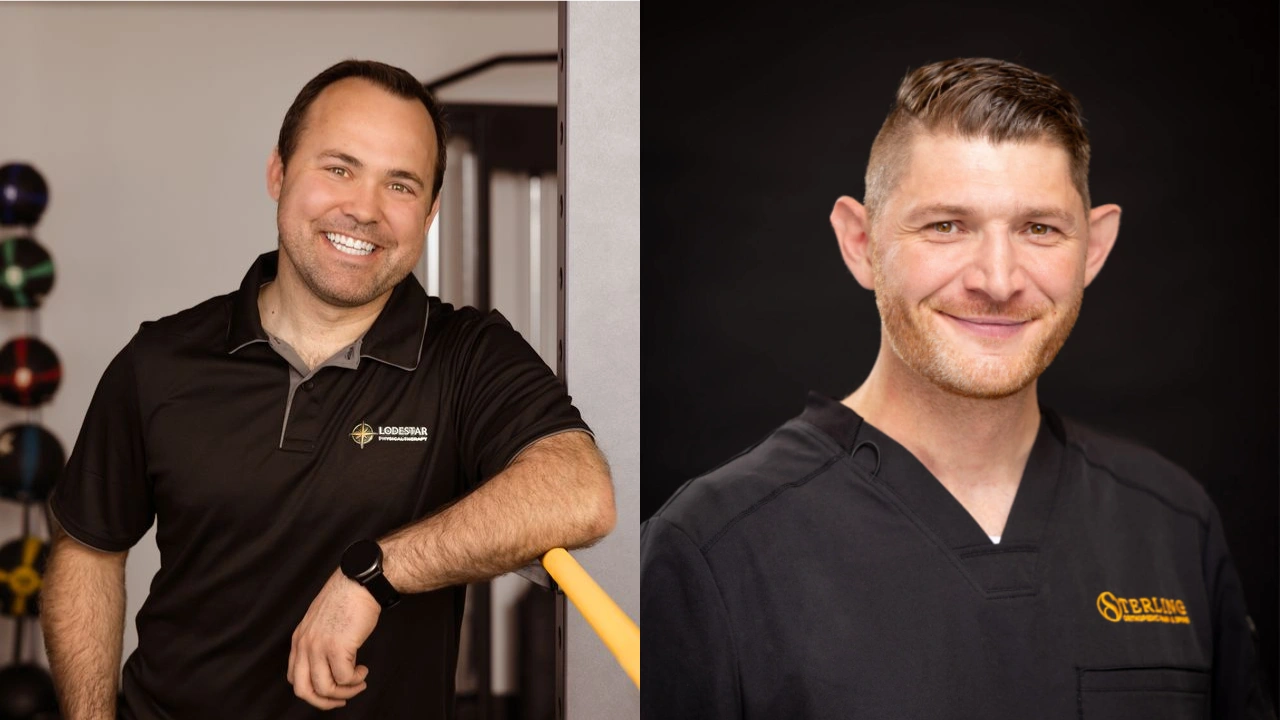
Spotlight Series topic: Rewiring Fight-or-Flight: The High-Tech Treatment for Trauma and Chronic Pain
Guest Name: Dr. Gregory Condie
Guest Credentials: DO
Discussion Details: How Dr. Condie treats PTSD, whiplash, concussions and so much more. We talk about back pain and how there is a solution for you. You do not have to live with your headache, back pain or PTSD. Watch and see how Dr. Condie helps people every day get over their pain and trauma.
Benefit of Watching: Gain an understanding of PTSD and how to treat it through Dr. Condie’s simple minimally invasive procedure. Understand how Dr. Condie goes against the norm when it comes to pain management through highly targeted, minimally invasive options—like precision epidurals, radiofrequency ablation for arthritis, and regenerative PRP (Platelet-Rich Plasma) therapy.
Address of guest’s business:
84 W 4800 S, Murray, UT 84107
Dr. Isaac Halliday: Hi, I’m Dr. Isaac Halliday at Lodestar Physical Therapy and I’m here with uh Dr. Gregory Condie with Sterling Orthopedic Pain and Spine. Uh he’s double board certified in physical medicine rehabilitation as well as interventional pain. Specializes in trauma of the spine and brain which includes PTSD, motor vehicle accidents, spine and joint pain. Welcome Dr. Condie. How are you?
Dr. Gregory Condie: Good to be here. Thanks for inviting me.
Dr. Isaac Halliday: Yeah, thanks for coming on. Well, like just start us off like who who are you and uh what do you like doing and your business and everything and yeah, so
Dr. Gregory Condie: um Dr. Gregory Condie, I again I went to med school in Chicago and spent a year in Michigan and then four years at VCU for my physical medicine rehabilitation residency. Then then spent another year there doing interventional pain and spine fellowship back there on the east coast. We love Virginia, but uh found a job here that took me to work in a private practice for a few years and then struck out on my own, creating this clinic currently called Sterling Orthopedic Pain and Spine. We’ve been in business 5 years. Uh we do kind of a combination lots of stuff. We treat all the breadand butter things, your neck, your back, your joints, your shoulders, your knees, uh ankles, uh migraines. We kind of treat from head to toe. You know, I put need a lot of places. Um again anywhere you can anywhere you can put a needle I’ve put it. Um my training was my fellowship was great. So was it was physical medicine and rehabilitation plus anesthesia. It was a combined fellowship. So I got a lot of nerve block experience as well as you know lumbar epidurals, cervical epidurals. And then because I did a lot of training at the VA um I got to do a special nerve block for PTSD. That’s kind of where I got my my feet wet doing stellate ganglion blocks for people who have suffered and had PTSD and trauma. We were specifically for soldiers at that time, right? Because the VA um but since then it’s really grown to be a huge part of my practice where I probably do more stellate ganglion blocks a week than anyone else in Utah. Probably. I mean, easily Wyoming and Idaho. Um that’s cool. Maybe even Nevada. I would even venture to guess. Wow.
Dr. Isaac Halliday: What so what what is a a stellate ganglion for everyone who’s like what is he talking about?
Dr. Gregory Condie: Get into that. Right. So, a little more about myself. Like I I’m a huge U fan. Right. I’ve had season tickets since I was a kid to football games. Was there for the 97 run. Uh we we’ll get back to that glory. I hope. I’m a Jazz fan in hibernation which means that we’ll eventually be good again. And you know, I root for them quietly because they’re not very good and they’re not perfect, right?
Dr. Isaac Halliday: Next year, right?
Dr. Gregory Condie: And then I’ve embraced the Ice Age in that. Uh I mean, I’ve become a pretty big hockey mammoth fan. So that’s been a lot of fun. We’ve been to a bunch of those games and that was kind of it’s been a fun ride there. So I’m heavily involved in um Salt Lake in of itself, right? I was born and raised here. I went to East High, went to the University of Utah for my undergrad. So you know, I’ve I’ve been in this community. was gone for a decade, right, doing training, but um I’m all in sports here and I’m secretly rooting for a baseball team to get here, right?
Dr. Isaac Halliday: Wouldn’t that be amazing? Someday. Someday we’ll have all the sports.
Dr. Gregory Condie: We love We love going to baseball games. I have a bucket list to try to knock off all the the stadiums in the country.
Dr. Isaac Halliday: That’s cool.
Dr. Gregory Condie: I’ve done about nine or 10 so far. That anyway, that being said, u yeah, what does a stellate ganglion block? Right. So when you’ve had trauma, when you’ve had injury, whether it’s car accident or whether it was emotional, physical, or any kind of trauma, um if you’re a military member, if you’ve been in this main big thing, your brain gets triggered into a fight orflight response and often it gets stuck there. There’s injury to that area where the nerves keep creating feedback loops with your amygdala, your hippocampus, and your prefrontal cortex. And in the sense where your amygdala is your motion center and these are these are deep parts of our brain. They’re like old like survival instincts. The amygdala the emotion kicks in the the memory says all right I got to remember this in the prefrontal cortex that’s all you’re thinking. Like we’re going to put thinking aside because that’s too much work. We want to instinctfully fight or run or die right? And so what happens if you get stuck there you’re unable to process. So, like a car accident, someone who says, “I can’t drive by that intersection.” Or, “Every time I get in the car, I suck the air out of the car because I’m so nervous. I’m so paranoid. People behind me. Every time someone gets close to me, I feel like I’m having it again.” Or my heart starts beating or I feel that like flushed feeling all over again. I start sweating. These are all sympathetic responses that are abnormally happening because your brain is stuck. the memory part isn’t it’s thinking we’re in the same place yet again.
Dr. Isaac Halliday: Yeah.
Dr. Gregory Condie: So what I do is I access the nervous system via a shot in the neck. So your sympathetic nervous system you is on in the background. Right. And what happens is it gets flipped on the switch. And so to turn it off we access a relay station or a ganglion if you will where I inject some lidocaine some numbing medicine and basically just reset the nerve. It’s the equivalent of if your brain is stuck on a computer and you see that wheel of death just spinning, right? Where you just go in and control auto delete ain’t working, you just pull the plug.
Dr. Isaac Halliday: Yeah.
Dr. Gregory Condie: So that’s basically what that shot does is it goes in and just resets the nerves so that when it turns back on that those feedback loops are no longer getting that feedback and so the brain starts remodeling and removing all those connections. And what we see is patients will say, um, I’ve been able to process better with my therapy. My EMDR is more effective. I’m sleeping better. I’m driving without feeling like I’m going to get an accident every time. I am going back to school. Like with the so many comments of I’ve never this kind of peace in my life. Just people that didn’t even know they were stuck in these fight orflight and just all this anxiety and the panic from accumulation of things. They call it the invisible injury that by releasing that and sometimes it needs more than one shot. Um sometimes a series uh the beauty of it is not only does it work for PTSD there’s pain syndromes that we treat POTS long COVID taste and smell brain fog the tachycardia that comes with same same system as damage and overactive. So same procedure helps a whole host of things.
Dr. Isaac Halliday: Wow. That’s how long has this been around? never heard of this.
Dr. Gregory Condie: Right. So it’s like what in the words of B the welcomes is a 90s to make. Um it’s been around for decades. Right. So um that really gained steam probably not in the 80s but I’m a huge fan of it and I again I do average easily 30 days a week. um variety of things and just the the change in someone’s life when they’re like a guy today veteran he’s he’s here for back pain he had all this PTSD and I asked him so how’s your PTSD goes I it’s gone like it’s it’s I no longer have he was a veteran of eight years in the military he’s like I don’t have that PTSD anymore and it it like it is such a cool experience.
Dr. Isaac Halliday: yeah that is way cool this is dude, you just blew my mind.
Dr. Gregory Condie: It it’s my favorite procedure. It the beauty of it is this. In the past, uh anesthesiologist would put his hand on your carotid palpate, move it to the side and inject, hit hipbone and inject. Obviously, there’s a lot of side effects and bad outcomes if you can imagine.
Dr. Isaac Halliday: Yeah.
Dr. Gregory Condie: Then we started using X-ray and X-ray was a step better because we could just die like are you in a blood vessel? Yes, I am. I don’t want to be in a blood vessel. Now we use ultrasound and it is pretty slick. Um I can do this procedure in under five minutes. It’s very quick. Uh I put my the ultrasound on the neck. I locate your carotid artery, your jugular vein, uh something called the Chassaignac tubercle. Again, it looks like a shark fin. Um and I just deposit the medication between two muscles that are super close to that area. And that’s all it takes. You get a droopy eye the day of the procedure. You get a some laryngitis. can’t talk because you’re numb some of the muscles in your throat which is a one your laryngeal nerve and your vocal muscles. Uh and some people have a hard time swallowing for a couple hours. Um but the benefit far outweighs those temporary side effects. Um and it’s super cool.
Dr. Isaac Halliday: Yeah, that sounds awesome, dude. That’s I’m going to start looking for that man with everyone that like gets in a car accident. Like
Dr. Gregory Condie: I mean how many times do you get a car accident patient where you ask them uh you have neck pain? Yes. Yes. A year into this treatment and you still have neck pain. They had whiplash. What if the the PTSD that’s been undertreated is feeding the pain, right? Because your sympathetic nervous system is overacting. So now the pain response now overacting. Sure, there was injury, but it should have resolved months ago. There’s a that showed a correlation with PTSD and chronic pain and whiplash patients that there was a connection. So, in car accident patients specifically, I love asking, “Do you have nightmares? Are you easily startled? Do you freak out when you drive by? Do you do you have a hard time? Do you feel paranoid? Do you have intrusive thoughts?” These kind of things. Um, and if they’re like, “Yes.” Oh, no one’s ever asked me this. This happens all the time. And let’s take care of this so that we can better take care of this.
Dr. Isaac Halliday: Dude, this is Man, I I have like three people off my name, off the top of my head right now. And I’m like, uh, they could they could probably talk to you.
Dr. Gregory Condie: And it’s best coupled with some a good like physical like a not only physical therapy, but a like psychotherapy. Uh, there’s a couple good that are in this uh this field like Desire Counseling is fantastic. Sparrow does a good job. You know, there’s there’s groups that are out there that specialize in trauma that I’ve worked with um in tandem and it just they work better because someone will therapist say, “I’m stuck. I can’t process this point.” And so when we do the shot, it just allows the brain to just calm down and and people can move through things.
Dr. Isaac Halliday: Dude, this is this is cool. Yeah, man. What other what other like cool things do you do that I’ve never heard about? Like this is this is awesome.
Dr. Gregory Condie: So from a so a car accident. So let’s stay on the car accident vein for a second, right? So um we’ll treat a lot of post-traumatic headaches, right? Botox is frequently used. uh trigger points. Botox, the way the Botox works is the muscle talks to the nerve or vice versa. And once the nerve is is hyper, muscles are super tight. Botox slows that nerve transmission down. The muscles can relax. And so that has a twofold effect, right? So the muscles aren’t so tight. So you don’t get that throbbing. In addition, the nerve pain is no longer as bad. And so the substance P, one of the neurotransmitters is blocked with acetylcholine. Again, mumbo jumbo jargon. Um point is that this this communication is slowed down so that the brain can settle, inflammation settles and um so we do that a lot for car accident patients. Botox, right? Not just for aesthetics, you know, if you got a couple wrinkles, we’ll go after those too, right? You know, got some crows feet. Sure.
Dr. Isaac Halliday: But not only that, might as well get rid of a couple of those as well.
Dr. Gregory Condie: So that’s one aspect of it. So another thing is um how often do you run into thoracic outlet syndrome?
Dr. Isaac Halliday: Yeah, I mean especially after a car accident. I mean tight, I have a hard time. The seat belt hits that, you know, the arm’s going numb, but their MRI is normal. Like there’s no nerve, there’s no hernia disc, but yet their arm still goes numb.
Dr. Gregory Condie: We do a test like, hey, let’s put your hand up, start, let’s quack like a duck for a while. I want to be a chicken. I don’t want to be a duck. And hey, my arm’s getting fatigued and tired. It’s like, oh, you probably thoracic outlet. So, in the past, it was surgery or nothing, right? Some physical therapy, maybe some dry needling. Now we can put Botox in the scalene muscles in the trapezius and Botox will help kind of there’s a good study that shows that it relaxes those muscles and improves thoracic outlet syndrome. So we use that uh post accident and you know couple that with some headaches. So that’s a pretty cool thing that we do um a lot of actually um what else what cool things do we do?
Dr. Isaac Halliday: Yeah. Like cuz I was like with that thoracic like so from a physical therapy perspective, right? We do a lot of like first rib mobes, right? And it’s like this rib has got to get down cuz it comes up and pinches things. But cuz those scalenes are just
Dr. Gregory Condie: and what’s holding that rib annoying. Think about it. You got these muscles. The brachial plexus goes right through them. And so if they’re super tight, they’re going to squeeze those muscles or not. The muscles will squeeze that nerve. And so by relaxing them, it helps that. Again, we do that under ultrasound as well. We can wash the needle the whole way in and deposit Botox and get out of dodge.
Dr. Isaac Halliday: That’s awesome. That’s cool. Yeah. So, like after how I guess how long after like a car accident do you like, hey, you know, we should do this right away. Do we have to wait for a little bit for it to kind of settle?
Dr. Gregory Condie: So, if you’ve got PTSD, it doesn’t matter. Yeah. You know, you want to avoid you want to get it cut it off the past as soon as possible. Headaches. I like to wait at least three months because I want the brain to heal. There’s a lot of reasons people have headaches after an accident. So, could there be inflammation of the nerves? Yes. Could there be, you know, did they hit their head on something? Could there be a bruise causing pain? Yes. Does this person have a untreated vestibular? Another doctor jargon. Ah, so if the rocks are loose in their ear and they’re having dizziness and they’re having blurry vision and they’re like when I read I get a headache or these things are happening it’s like oh what if you have an untreated issue with your balance system where your eyes brain cerebellum brain eyes talk to each other. If that’s off your brain’s going to hurt. So again trying to figure out why their brain hurts. Is it inflammation? Is it migraine? Is it concussion? You know trying to rule those out. So that usually happens in the first month or two and if they’re still living, we do the Botox and patients will say, “Oh, my headache is finally gone. They’re more likely to do physical therapy.” They’re more likely to participate. They’re, you know, their brain is easier. When you don’t have this throbbing thing bugging you, um, you know, migraines are the worst.
Dr. Isaac Halliday: And we and we can get more done in physical therapy. I mean, I’ve had patients come in and they’re like, “No, my migraine has been killing me for three days.” And all we do is just manual work for like the whole 45
Dr. Gregory Condie: Super release does wonders, man. Just like got that cup, you know, but it’s like, hey, cool. Like, yeah, this is great. Like, I I’m glad this is helping, but we got to get stuff that will last, right? And and so I’m a huge fan of the vestibular therapy, the using habituation and other way adaptation. So when patients have these uh mismatches in the brain that you know treating with Epley’s maneuvers getting those rocks back into place you know whether it’s a posterior or horizontal you know and Dr. Jargony if those rocks aren’t where they’re supposed to be throw them back in throw them back and then do the exercises that involve you know standing on one leg and looking back and forth and activating the brain. So, I was trained I did a special training in vestibular rehab and so I’m a huge fan of it. Um, do you guys do it?
Dr. Isaac Halliday: Cool. We do a little bit like we’ll do all the the Epley maneuvers and you know, things like that and some of the little eye tracking stuff, but um there’s there’s a lot more to it than that. There’s a lot more than we we just kind of hit the the surface stuff, the easy stuff to grab.
Dr. Gregory Condie: And again, these are that I like to deepen dive into my patients because of my background as a physical medicine rehabilitation specialist. Concussions. I love concussion. I don’t love that patients have concussions, but I I’m fascinated by the brain and I love treating concussions because this often is missed. Again, caution. There’s a lot of stuff going on. I’ll get a patient seen a chiropractor, seen physical therapy, they’ve seen a pain doc and done an injection and now they’re in my office and they’re still having all these symptoms like, okay, well, is there a cerebellar issue? Is there a disease? Is there, you know, there’s other things that are just easily overlooked?
Dr. Isaac Halliday: Yep. Totally. Yeah. I um man I so I I coach the wrestling team over at Cottonwood and
Dr. Gregory Condie: Oh, nice.
Dr. Isaac Halliday: like every year like two or three concussions every year, right? Some are like really easy and you know a week later they’re just like
Dr. Gregory Condie: you know they’re 15y old patients I’d say concussion wise most get better in the first two to three months. They should totally should. Yeah.
Dr. Isaac Halliday: That miserable 10% that does not and then they’re on you’re like what do we do?
Dr. Gregory Condie: Yeah. Yeah. Those Yeah. Concussions they can and they can get complicated too. They can like I mean the straightforward ones are great cuz you’re like awesome it’s this and then because it could be all the symptoms or one or one. Yep. And memory. It could be cognition you know difficult remembering things talking word finding. Yeah. Blurry vision dizziness ring in the ears or tinnitus. Everyone else tinnitus heard it both ways. So all these things, right? And so that’s the the the beauty of a concussion is it like it depends on what part of the brain was torqued and where the axons were damaged and what tracks were hurt. You know, you have three people in the same car, driver, passenger, back seat, all concussions, all different symptoms.
Dr. Isaac Halliday: Yep. Yep. It’s it’s crazy. It’s I mean, the body is cool and it’s also difficult that ways. you’re like, “Oh, man.” You know, and it it’s frustrating, too. I think that also kind of comes into, you know, the whole like PTSD stuff, too, is, you know, I get I get patients from car accidents and they’ll be like, “I was driving, but my passenger was totally fine, the accident, right? No symptoms, no shoulder problems, no whiplash.” And I’m like, “Well, it’s probably just one how the how the car hit you. Were your head was your head turned? Was their head not turned?” you know, like all sorts of things could have played into it and age, whatever, previous injuries, everything like that. But, um, and it gets frustrating for those people, too. It’s like, uh, they didn’t get hurt at all and I’m stuck here for
Dr. Gregory Condie: So, a good a good example of another thing that we do. So, let’s say again, you’re six months after car accident. Your neck is still hurting. You had whiplash. MRI was like maybe like a sprain, no like straight herniated disc. your facets maybe a little inflammation but like it hurts still like when you lean back and it radiates into the shoulders but not down the arm. We’ll go after the facets. We will target the facets. We’ll do a medial branch block where we numb these nerves down near these joints. And if you get a lot of relief, we have a couple options. Platelet rich plasma. There’s a pretty decent study that shows that that helps not only acute but long-term recover from injury from whiplash. Plasma is your own blood spun down. The red blood cells go one way, the platelets and the growth factors go another way and we connect them, collect them and then inject them and that again decent data not amazing but decent. And some patients like I don’t want steroids and I don’t want to burn a nerve. I don’t know what that’s going to do to me long term. So this is a nice middle ground of something that’s considered anti-inflammatory and regenerative. So, uh, we will do a fair amount of platelet rich plasma injections in some of these areas where someone who’s had a gastric bypass, can’t have steroids, can’t have NSAIDs, what do we do? We could do PRP. Someone who is diabetic, it’s like, I don’t want steroids. I don’t want my sugars to get shot to the roof, but you need an epidural. Like, well, let’s try platelet rich plas PRP. So, again, there’s there’s a there’s a place for that. Um, bread and butter is steroid, right? We put some steroids in there, calm the stuff down, let the body itself, you know, all those things.
Dr. Isaac Halliday: Yeah. No, that’s awesome. And I love that you have like a different array of treatments, right? You’re not just like, “No, you get these two options.” It’s like, “No, let’s look at the individual.” If you look at the individual and be like, “Okay, cool. Here’s these options. I think these are the best for you, but also what do you want?” Right? It’s not just a
Dr. Gregory Condie: that’s the paradigm back in the day. It was it was a top- down paradigm where the doctor told the patient what to do and they’re like, “Yes, okay. Whatever you say, doc.” Yeah. That’s not how we roll. Um, I’m a team team oriented person, right? So, I can give suggestions. I give here’s the buffet table, right? What would you like? Um, I can make recommendations, but I I like working with patients who are like, “All right, well, I don’t I don’t want the chicken, and I’m not a huge fan of the shrimp, but I’ll take the beef.” So, you I’m a big part of, uh, you know, working with the therapist, right? Whether it’s a physical therapist or a cognitive therapist, and say, “Hey, this is what I’m seeing.” Like I’ve got texts on my phone with a couple different chiropractors, a couple of physical therapists who are like, “Hey, this is what I’m seeing. This this patient’s got referring pain here. We did this injection. Here’s a picture of it. You know, let me know how it goes.” Or vice versa. And so I like I’m big in communication and working together as a team. I’m not a fan of siloed medicine. And I think there’s patients that go around and I like working with lots of different people.
Dr. Isaac Halliday: Yep. I love it. I love it. Um, I mean I, you know, and and it it benefits the patient more than that, you know, just not having those siloed professionals is, you know, I’ve had a lot of patients come in. They’re like, I’ve been to PT before and it didn’t work. And I’m like, well, you know, and in fact, my up here we go, right? Um, but then like like Megan, my my PT, uh, she had a patient and um, you know, still having pain after surgery and all this stuff and no one that he had ever worked with just called the surgeon and said, “Can you like this is what’s going on? Like, can you just talk to this person?” You know, and lo and behold, the surgeon was like, “Oh, I had no idea.” Like, let me see what’s going on. you know, it’s like we all want to just help the patient and you know, and sometimes, right, you just I mean, the communication just is awesome and it it just helps. Um, so, uh, that’s just it’s great. Cool. Um, so you work head, neck, PTSD, brain, concussion. What else? What else? What do you not do?
Dr. Gregory Condie: Uh, I don’t do surgery. Yeah. Uh, that’s a lie. I actually do a little surgery. Um, so CRPS, how familiar with with complex regional pain syndrome?
Dr. Isaac Halliday: Um, I’ I’ve heard of it. I don’t I don’t treat it. Um, but
Dr. Gregory Condie: well, you’re you’re you’re a good guy, but man, your patients need you to treat it. So CRPS is someone will get injured and their nervous system again sympathetic nervous system gets activated and it will cause this sort of this this combination of symptoms where their foot will hurt. It’ll change color. It’ll swell. It’ll be like you can’t even put socks on. I can’t even breathe on if I shower it hurts. Could be the arm. Could be the leg. That is called complex regional pain syndrome. And it is a nasty disease. You see it sometimes in car accidents. You see it random injury mostly postsurgery. A lot of foot surgeries you develop this. It used to be called causalgia or uh what was it? Oh re Oh shoot. What was it used to be called? Um there was another name for it. Um it’ll come to me after we’re done with this. But yeah, CRPS is the acronym for it. We do a couple things for that specifically. One of which is a nerve block like one in the neck, but we do it in the back. Sympathetic nervous system block kind of calms that down. again trying to reverse those feedback loops because what the sympathetic nervous system is doing is it’s affecting the blood vessels. It’s a you know they’re getting swollen like this is not normal. You shouldn’t foot your foot shouldn’t look red and angry all the time.
Dr. Isaac Halliday: Yeah.
Dr. Gregory Condie: But when those don’t work and this has been going on for a while, we’ll do what’s called a spinal cord stimulator where we use electricity in the back to block and change how the brain, spine, foot communicate. Uh pretty slick procedure. We do it as a trial. We put these leads in and they slide on the spine. So if this is the spine, the leads kind of come right up next to it and it puts electricity into the back. Uh and it we do it at such a frequency you don’t feel it. You can do it where you do feel kind of a pleasant sensation, but what it’s doing, it’s activating the dorsal columns, the back part of the spine. It blocks out the noise of the spinal nerves, which are pain nerves are smaller. These big ones take over. And so your brain only recognizes, oh, a pleasant feeling rather than a painful feeling. CRPS is tricky. This is one of the best treatments for that spinal cord stimulation.
Dr. Isaac Halliday: That’s cool, man. All these like things that I’m like, man, these are cool.
Dr. Gregory Condie: When I say surgery, I do I do um do the trials. I don’t do the implant. I usually refer to neurosurgeon. Um sometimes we’ll get a patient, not sometimes, frequently. Patients had lots of arthritis in their back. They’ve had radio frequency ablations. They’ve had epidurals. They still have back pain. We look at their MRI and there’s this word called Modic changes. You’re like, who’s Dr. Modic and how did he get his
Dr. Isaac Halliday: I want to know. I want Condie changes on there. Yeah. Yeah.
Dr. Gregory Condie: Well, it turns out that these changes actually correlate with inflammation between the bone and the disc. There’s this end plate that goes between them. It’s this barrier that when that barrier fails due to arthritis and degeneration, the inflammation from the disc squirts up into there and causes pain through all these nerve fibers that are sitting in this end plate. So what we do now is a procedure called Intracept. Now Intracept is where we actually will put a catheter into the bone and there’s a nerve that sits inside the bone called the basivertebral nerve. Again lots of big words today. It’s Friday. I don’t remember that.
Dr. Isaac Halliday: Nerve in the bone. There’s a you know you know what you’re talking about. That’s what matters.
Dr. Gregory Condie: Oops. The nerve looks like a tree. There’s a trunk and there’s branches that go up this way and roots that go this way. And so what we do is we find the entry of that nerve into the bone and we actually cause a lesion to burn that nerve and the nerve does not grow back. It does not have a myelin sheath. So it’s a relatively new procedure over the last 5 to 10 years relatively new of causing reduction of pain in a back that might be difficult to treat. Disc pain is really hard to get at. You can only put so many steroids uh and you can’t burn the nerves on the outside to affect the disc. And so this procedure of basivertebral nerve ablation or Intracept is as close as surgery as I get. You know I our patients are mostly asleep. I have to use a little hammer and nail. I mean hammer to get in the bone. Um just a little bit just to get in that bone and then we slip this catheter in. We burn the nerve.
Dr. Isaac Halliday: That’s awesome. That’s so cool. So if someone is like I know what are like the key indicators for you to be like oh hey I can help that person you know with this type of procedure.
Dr. Gregory Condie: Do you have pain yet? Indicator done. Um I’m not about all about pain. Right. So function is a big part of what I do, right? Assessing because you have some patients who have like a little bit of pain but little or no function. And some patients who have a lot of pain but as much function as an average person, they just deal with the pain. So I try to take the patients where they are. It’s all right, what’s going on? You know, what have you tried? You know, what else is out there? What what other things can we do? And for instance, this Intracept procedure again, not everyone does that. So you may get someone who I’ve been to this pain clinic for 10 years. They don’t take my insurance. I’m now with you. You know what else do you guys have to offer? It’s like, okay, well, you’ve done this, this, and this. Let’s look at your MRI. Let’s get an updated MRI. Looks like you’ve got a couple things that could be causing pain, but hey, look, there’s this Modic change. Do you know what that is? No. Well, let’s talk about it. And then there’s a procedure we can do for that. So, that is uh kind of a very common algorithm in our clinic.
Dr. Isaac Halliday: That’s cool. That’s awesome. And how can people get a hold of you if they’re like, uh, I have PTSD or I have this back pain that won’t go away or maybe I just got in a car accident.
Dr. Gregory Condie: And so you familiar with Batman, right? So there’s a bat signal.
Dr. Isaac Halliday: Yes.
Dr. Gregory Condie: Right. When I look in the sky and I see the the Sterling uh symbol, I’m like, “Ah, I’m needing it.” My clinic is Sterling Orthopedic Pain and Spine. And so um there’s a phone number they can call 801-224-8800. We have a website, Sterling Orthopedic Pain and Spine. They can log in there. They can make an appointment via the website. Um, call our clinic. Uh, I like to work with physical therapists. So, I get texts all the time as well as chiropractors and, you know, referring providers. Hey, I got a patient for you. You know, I said, send me the name, send me the number. Let’s let’s happen. But we have a referral process, right? So, you know, if you had someone, we can have a give you a referral sheet, that kind of stuff. But yeah, 801-224-8800 is our phone number. But yeah, online if you Sterling Orthopedic, I’m on Instagram, Dr. Condie.
Dr. Isaac Halliday: And you have you have an awesome Instagram. I can’t wait to like have a lot of fun at my clinic as witnessed by all of this.
Dr. Gregory Condie: Um, not do I look funny, but I am funny. At least that’s why that’s what I tell myself. Um but uh we on my Instagram I actually posted a variety of procedures that I do. One of which is stellate ganglion block. One of which is a kyphoplasty where we put cement and compression fractures um epidurals, RFAS, like they’re all I put them on there. Um as well as you know on the website.
Dr. Isaac Halliday: I love it. That’s so cool. And you’re you’re in Murray, aren’t you?
Dr. Gregory Condie: Murray. We’re about I’m looking out the window right now. We’re about two blocks away from IHC um north. So, we’re just off of State Street. Uh we’re right next to Wingers, so you can get two for one. You get a good lunch, get a good check in, wings, um relief. Right.
Dr. Isaac Halliday: I love it. I drive I drive by your office every day on my way to and from work. So, nice.
Dr. Gregory Condie: I’m like, “Oh, hey, Dr. Condie.” I did feel that the other day. I was like, “Someone’s waving to me. Someone’s waving.” Yeah.
Dr. Isaac Halliday: Well, cool. Well, thanks for coming on and I hope that maybe someone sees this and they’re like, “Ah, I got to call Dr. Condie.” So, um, it’s helped me, too, man. I I’m going to start looking out for you, man. That That’s some cool stuff. So, appreciate it.
Dr. Gregory Condie: Well, thanks for having me on. It’s been fun. Uh, you guys do good work, so I appreciate it. Okay.
Dr. Isaac Halliday: Hey, take care. Have a good weekend, man.
Dr. Gregory Condie: Thank you.
Dr. Isaac Halliday: Yep. Bye. Bye.