

Interview with Dr. Ajit Dhaliwhal
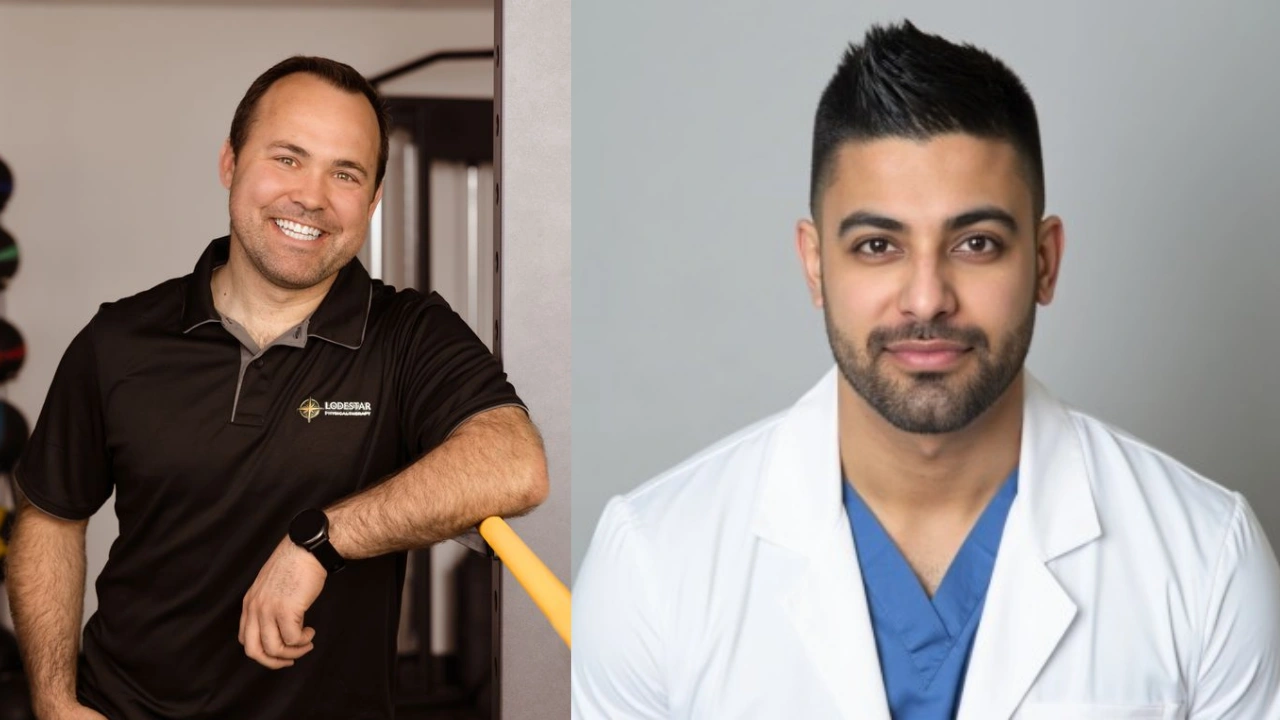
Guest Name: Dr. Ajit Dhaliwhal
Guest Credentials: MBA, CEO RegenHealth Physicians
Discussion Details: In this insightful discussion, Dr. Isaac Halliday of Lodestar Physical Therapy sits down with Dr. Ajit Dhaliwal, founder of RegenHealth Physicians. The conversation shifts the focus from “reactive” medicine—where you treat symptoms after a disaster—to “preventive and regenerative” medicine. Dr. Dhaliwal explains how regenerative treatments like stem cells, PRP, and peptides act like a “construction crew” for the body, repairing and regenerating damaged tissues rather than just removing them via surgery. They also explore the critical role of physical therapy in ensuring long-term success and functional recovery.
Benefit of Watching: Understand the Science: Learn the simple “construction site” analogy for how stem cells and exosomes actually repair your body at a cellular level.
Bridge the Gap: Discover how regenerative medicine and physical therapy work synergistically to help you regain function and avoid or delay invasive surgeries.
Bust Myths: Get clarity on the legality, safety, and real-world applications of these treatments, covering everything from joint pain to COPD and even hair restoration.
Focus on Longevity: Learn the difference between just having a long lifespan and actually improving your “health span” so you can stay active and feel like yourself again.
Address of guest’s business:
1345 E 3900 S Ste110 Salt Lake City UT 84124
Dr. Ajit Dhaliwhal: Yeah. Yeah, for sure. First of all, I think regenerative medicine is definitely the future of medicine now. I think we’re there’s a big shift between preventive medicine than, you know, from reactive medicine because like being a physician for 15 years, it was always like, you know, they come in a train wreck and you’re like just putting them back to pieces, bandaging them up and then, you know, go follow up with your primary care physician.
Dr. Isaac Halliday: Yeah. Yeah.
Dr. Ajit Dhaliwhal: Now we’re looking at health in a different kind of way. So I’m really excited to be a part of it. How it actually happened was I I play hockey cuz I’m Canadian. So it’s my birth, right? Um uh you know did everything right that I was supposed to do. Um got surgery by amazing orthopedic surgeons. Uh did physical therapy which is extremely imperative to recovery. And after 6 months, I was like, “Okay, I’m still like I couldn’t even hold my baby.” He was 4 months old at the time. And I’m like, “I promise you he wasn’t even that fat.” So, I really couldn’t like hold him. And I was like, “Okay, I can’t live like this.” And then someone had told me about stem cells. And I was like, “I don’t want to, you know, no offense to any country, but I’m like, I don’t want to go to Columbia. I don’t want to go to Mexico.” And, you know, right? But but luckily someone introduced me to a lab out of Atlanta because I’m a physician they said they’ll you know administer it. I swear it was like my Jesus moment. I was like oh my god. So literally I felt like papa eating spinach and then better. So I was like I need to do this in New York and then I started my clinic. I’m either crazy, brave or both. But that’s what happened and this was three and a half years ago.
Dr. Isaac Halliday: That’s awesome. That’s cool. And now and now you’re moving to Salt Lake. So this is well yeah the clinics it’s Salt Lake it’s amazing
Dr. Ajit Dhaliwhal: I think I think uh the the environments and the the community it’s really conducive to what general medicine is with in regards to like longevity you know also with the joints restoring joints and joints with all the hiking and everything so I think it’s it’s a great great city to to really build this up
Dr. Isaac Halliday: Yeah yeah it is and I I have people you know that ask all about like well what’s what’s PRP what’s what’s stem cells and stuff and um and then here we are and uh we’re here with a doctor that does it. So tell us a little bit about like what regen regenerative medicine is like how it works and like just kind of like the science behind it a little bit because I think people absolutely like what is this weird little injection going to do right so
Dr. Ajit Dhaliwhal: Yeah yeah so so just like I can use an analogy it’s like a construction site so stem cells are what made your body initially it was like a blank constru it was a huge construction site it made your body but now when we inject them. They’re basically the construction workers to go back and do construction on your body that’s kind of breaking down a little bit. So unlike surgery where it’s a repair by removal like a demolition site, we’re doing repair by regeneration. So they’re we’re sending in our construction workers and they’re basically rebuilding, repairing, and then also regenerating. So that’s what that is. So again, that’s what we’re trying to do. We’re trying to make we’re trying to do the alternative to surgery. Um, sometimes you do need surgery, but sometimes you don’t. And I think this is a great alternative. And in regards to longevity, as you age, you get these cells that become zombie cells, right? Scinsesscent cells. And as you age, they kind of just clump up and stay there. They’re zombie cells because they don’t die. And all they do is like suck up all your energy and they kind of like cause this low-grade inflammation. while stemm cells go in clear that out or help clear that out so you can be you know 21 again
Dr. Isaac Halliday: That would be that would be nice
Dr. Ajit Dhaliwhal: So that was a you know long way to say it but basically that’s what stem cells do kind of like a reboot to your system which is amazing
Dr. Isaac Halliday: That’s cool and like what is a stem cell how is it different than other cells and like where can you put them can you put them anywhere just in specific spots.
Dr. Ajit Dhaliwhal: That’s a cool thing because they’re kind of like the precursors. So they haven’t differentiated yet. So they come in, they’re blank, right? Like for example, when it was building your body and you were being born, they’re going through umbilical cord and you know, one was becoming a skin cell, one was becoming cartilage cell, one was becoming a bone cell or brain cell. So these aren’t differentiated, but they will go in knowing what needs to be repaired and what needs to be rebuilt and regenerated.
Dr. Isaac Halliday: That’s cool.
Dr. Ajit Dhaliwhal: So it’s really cool. It’s like they’re kind of like they don’t know what their, you know, what their work is for the day or their plan, but then once once they go in there, they figure it out.
Dr. Isaac Halliday: That’s cool. They’re smart cells.
Dr. Ajit Dhaliwhal: They are smart cells. Like it’s cool when we do the IV, but then we also kind of guide them. That’s why we do the targeted injections.
Dr. Isaac Halliday: Yes. That’s cool. And you can use them anywhere, right? Like not just like, oh my knees hurt, so I need stem cells, right? You can use
Dr. Ajit Dhaliwhal: No, you can. Yeah. We do aesthetics. We do hair restoration because we’re going to root problem and generating the root dormant root. So that’s cool.
Dr. Isaac Halliday: I might need a few.
Dr. Ajit Dhaliwhal: I wasn’t I wasn’t saying it because of that. I was not I swear to God. I just it just it just it’s surprising. It’s a s surprising specialty that just like it’s so cool how you can there’s so many applications for this so many indications for stem cells.
Dr. Isaac Halliday: Yeah. Yeah. That’s awesome. And it’s and it’s 100% legal.
Dr. Ajit Dhaliwhal: Yeah, I would hope so. Otherwise, I’d be in trouble.
Dr. Isaac Halliday: Yeah. You know, it’s funny because I was like telling you that I’m like it’s one misconception that everyone has. It’s like, oh, but is it illegal? I heard it’s illegal. I’m like, I don’t my my clinic here in Manhattan, the side’s definitely not in an alley. Like, it’s an actual medical building.
Dr. Ajit Dhaliwhal: Yeah. So, we got a license.
Dr. Isaac Halliday: Yeah. Yeah. Yeah. Exactly. Malpractice.
Dr. Ajit Dhaliwhal: Um know the thing is what it’s just it’s not FDA approved yet. So it’s still research based. We do do research in our clinics case reports and things like that. I mean mind you I don’t I don’t practice anymore. um more towards the you know the the business side because I kind of have to run these but uh yeah we still run clinical clinical you know kind of case reports and because we have such a wide array of patients from neur neurology patients to joints to to you know other you know hair restoration things like that COPD
Dr. Isaac Halliday: Yeah that’s cool so COPD joints hair yeah I know anything else.
Dr. Ajit Dhaliwhal: It sounds crazy like I’m selling it’s like it’s like snake oil but I’m I’m not because at the end day we are your body is the construction site. So, I’m sending in construction workers one day. You know, you could have them specialize in the lung and specialize in something else, but that’s with exoomes. Yeah, it is. It is I don’t profound. I’m like I you know, I was an academic attending so internal medicine. So, I’m like teaching the residents and med students and stuff and I’m like the whole time I was like looking back and I’m like stem cells, stem cells for that, stem cells for this and but it’s like actually applicable. So it’s it’s fascinating.
Dr. Isaac Halliday: Yeah, that is that is I I don’t think I’ve ever heard of stem cells for like COPD, right? Like it’s always I mean I mean maybe it’s because I’m not in that field, but like I’ve always heard it for joints.
Dr. Ajit Dhaliwhal: Yeah. It’s also because like a lot of these studies happen in China. A lot of these studies happen abroad.
Dr. Isaac Halliday: Yeah.
Dr. Ajit Dhaliwhal: A lot of these are have been studied widely and unfortunately like America is a little behind like the fact that it’s you know for example in Japan stem cells are actually used as a treatment modality for Parkinson’s and of course legal.
Dr. Isaac Halliday: Yeah.
Dr. Ajit Dhaliwhal: But it’s actually it’s a part of it’s actually part of the treatment the treatment plan. So it’s so interesting. It’s like we’re, you know, we’re we’re focused on medications and pharmacological treatments, but then you have stem cells that can actually help and studies have shown it has helped um and decrease morbidity rates in Parkinson’s. Huh, that’s cool.
Dr. Isaac Halliday: That is awesome. And I think that’s that’s one thing too that people don’t understand is like I feel like America like the FDA is always slower than Europe or Asia or Right. like they always do all the research and then it’s almost like the FDA uses the rest of the world as their testing ground.
Dr. Ajit Dhaliwhal: Yeah.
Dr. Isaac Halliday: And then they’re like, “Okay, you guys have been doing it for 15 years. I guess we should bring it over here.”
Dr. Ajit Dhaliwhal: No, it’s true. And and I get that, you know, there’s definitely a lot of like, you know, regulation and al, you know, they’re obviously just trying to protect they’re trying to protect like, you know, the general population. But then again, they also approve the opioid crisis, but we’re not going to get into that.
Dr. Isaac Halliday: Please put that on us. We don’t need to get into that.
Dr. Ajit Dhaliwhal: Yeah. Yeah. I don’t want to get in trouble.
Dr. Isaac Halliday: Yeah. So what is what is then the difference um between like stem cells PRP and what other injections or regen medicine that you do?
Dr. Ajit Dhaliwhal: So we so we have exoomes as well, right? So you have your stem cells of course construction workers. PRP is they’re great for repair, right? And rebuilding like the scaffolding on a on a building. They’re good for repair. They build all that stuff up. Exoomes are the messenger cells or the messengers messages maybe that basically tell the stem cells, hey, we got a problem over here, right? So, it’s a stem cells like telling stem cell, hey, yeah, we got to go fix up the bathroom over here or something in your house, right? Yeah. Go to the attic. And then, so all these actually work synergistically. And then peptides, how they come in, peptides are actually like um the work order. So it’s like let’s increase fat metabol like reatride let’s increase fat metabolism that suppressed the appetite or you know so something like right a BBC57 and and TB500 let’s go repair there’s a you know there’s a faucet or let’s go repair that right so it’s similar to that so all these all of this is what we kind of implement at RegenHealth Physicians it’s not just like one thing we’ll fix everything it’s a bunch of things a bunch pieces that are part of the bigger picture.
Dr. Isaac Halliday: So, if someone comes to you and you’re like, “Cool, yeah, this is totally going to help you out.” Do you hit them with all of those peptides, stem cells, and PRP, or do you just like usually pick one, see how that takes, and then move on to the others? What is the process between?
Dr. Ajit Dhaliwhal: No, of course. So, it definitely depends on like say someone comes in with bust, you know, messed up knee, and they just want a quick I just want to do the knee. Yeah. For us, what we would love is to do the whole whole whole like the whole picture. You start with IV stem cells and exoomes really prime the system because what happens actually even with peptides like you have a receptor these sludge cells the zombie cells stick right here. So only some of your peptides going to work you clear that out you’re going to need need less of the peptide to make a bigger impact. Yeah. So if you look at it that way, so we prime the system, clear out all the crap and then the peptides can work too and we can start, you know, help repairing, rebuilding and regenerating whatever the injured injured part is. So all of it that’s cool just works synergistically and the thing is so scientific. So it’s not like this snake oil does this. It’s like everything is methodical of how we treat our patients because we’re not just thinking of your knee. We want your whole body to be doing better. So like when we do inject the knee, you’re still going to get your stem cells that already we injected into we infused into your body coming and helping as well. So you get the double effect.
Dr. Isaac Halliday: Okay, cool.
Dr. Ajit Dhaliwhal: And then the baptized to sustain it and maintain that, right? Help continue the process of repair.
Dr. Isaac Halliday: Oh, that’s cool. And then how long or like how many I mean I’m sure it’s all case dependent too, but um you know like general sequencing of like hey cool like two or three treatments of this and then we hit you with this or you know like to where it’s like cool six months out you’ll be okay or is it three months or is it
Dr. Ajit Dhaliwhal: Yeah. So usually what we like to say is there from from our experience one injection and I hate to say is usually enough. Sometimes you do need two, but it is obviously, you know, the biggest hindrance of this is obviously the price and it’s not covered by insurance. But um and then when it comes to timeline and then obviously we, you know, there’s certain programs or packages, not packages, but protocols that patients, you know, um opt for, for example, that have all these other different remedies and um modalities in regards to time. That’s the million-dollar question, right? Even when I was in the hospital, it’s like when am I gonna get better? I don’t know. Yeah. Right. But the timeline that we like to give is like it depends, of course, like coorbidities, the age of the patient, what what other are they using peptides, are we doing exosomes, are we doing IV first, a lot of things, but usually we would like to say you’re you’re going to get some not some, but a significant amount of relief and function, not just pain relief. We need function. Uh, three to six months. Cool. Sometimes I get 12. Yeah. But yeah, it’s just it’s like they always ask me, they’re like, “Hey, what’s the side effect of stem cells?” Patience. Patience. This is not like an overnight like, you know, fix. We’re It takes time because this is a long-term fix. This is we’re looking at, dare I say, longevity here. So, so that’s what we’re doing. That’s I think that’s, you know, really important to understand.
Dr. Isaac Halliday: Yeah. Yeah. And I think I mean I mean if you have like a you know your your stem cells you just said 3 to six months right total knee you’re looking at the same amount of time before you’re feeling okay right and really like a total knee is that six months to a year is really what like that year is kind of when you know people are always like yeah I don’t notice it anymore right but I mean like surgery PRP it seems to be very similar in timeline um depending on the surgery
Dr. Ajit Dhaliwhal: Stem cells PRP is much faster or stem cells okay I mean the timeline is different but I mean again it’s different how you look at it right like we kind of alluded to was the fact that it’s repair by removal it’s like a demolition site like a construction site we’re repairing by regeneration and thing is what’s different is we want you to stay active we want physical therapy we want the blood it’s just it’s this is a different way like with surgery, you’re still going to have scar tissue. There’s still so many different um you know, so many I hate to say there so many I don’t want to say side effects, but there’s so many complications like you could have infection, you could sepsis, there’s so many things. This is this is a small needle going in and injecting.
Dr. Isaac Halliday: Yeah.
Dr. Ajit Dhaliwhal: And of course, you know, that’s and I don’t want like sometimes you definitely need surgery. I don’t want to say that you don’t, but if you if you can try to prevent surgery or even at least delay it for years to come, I think that’s that’s a plus.
Dr. Isaac Halliday: Yeah, that’s cool. That’s awesome. Um, how many physicians then do you have uh here in Salt Lake?
Dr. Ajit Dhaliwhal: So, we so with clinicians, we have clinicians.
Dr. Isaac Halliday: Okay.
Dr. Ajit Dhaliwhal: Yeah, we have uh two working um at Salt Lake City and then my my sister Dr. Dr. Dolly, she’s actually the chief medical officer of all the whole company. We’re planning on opening up more, but she’s kind of overseeing the Salt Lake City clinic. It’s it’s going well. And I, you know, I think the biggest success the biggest part of our success will be the community. And I think that, you know, the community outreach is really important. We already I’ve already been coming to Salt Lake since 2017 when I started my first company out of Salt Lake, which is a medical staffing company. So, you know, I understand how important community is and word of mouth is everything, but we also we’ve been seeing great results already with the patients there. So, hopefully, you know, we’re we’re a trusted name and a trusted clinic.
Dr. Isaac Halliday: Yeah. Oh, that’s awesome. That’s so cool. Um, and you’ve been uh you’ve been in New York obviously for three years then. So,
Dr. Ajit Dhaliwhal: No, I’ve I’ve been in New York for 15.
Dr. Isaac Halliday: Well, you’ve been Yeah, but you Okay. 15. But the company’s been there. Yeah. New York. Okay. Okay. Yeah.
Dr. Ajit Dhaliwhal: I’m a Canadian who lives in who’s in New York.
Dr. Isaac Halliday: In New York. I don’t know how to explain it. I love it. That’s good. Um, and you have your your grand opening coming up, right?
Dr. Ajit Dhaliwhal: Yeah, June 13th. We’re really excited about it. Grand opening. We’re going to give off, you know, 15% off of uh off of treatment. Um, we really want people just to come in to know that we’re available. I think it’s a two-prong approach. I mean, one is education, stem cells, legal stem cells. Um, and then also, you know, also awareness to let them know that we’re here and that we’d love to help you and that there’s an alternative route. I think a lot of people, the way I feel like, again, like we talked about medicine, how people are shifting their thought process, like let’s think about long-term remedy rather than the quick like, okay, it’s broken, let’s fix it.
Dr. Isaac Halliday: Yeah. Yeah. That’s awesome. Yeah. It’s It’s super cool how medicine is. You bet you’re going to be gone.
Dr. Ajit Dhaliwhal: I know. I was I was really planning. I was hoping I’d be there, but I will be gone. Um maybe my plane will come in and I’ll just be like, I got to catch the last 30 minutes. Enjoy it.
Dr. Isaac Halliday: That’s awesome. Yeah.
Dr. Ajit Dhaliwhal: So, I have a question for you. Like, what have you been seeing and like have patients brought up uh therapy? Because for us, okay, we we obviously treat the patient, but to again maintain and sustain uh and like in that recovery, it’s not an overnight fix. It takes time. Physical therapy is extremely imperative. Extremely. I can’t stress enough how important it is for even if you get surgery or stem cells, PT is what’s going to get you back to where you want to go. So, so like tell me how it works for how it’s been working for you. like have people been bringing it up more recently or people just don’t know about it or how does it work?
Dr. Isaac Halliday: Yeah, I think I think people just don’t know enough about it, right? Like I’ve I’ve had some people um in my career I’ve had some people that are like, “Yeah, stem cells great.” Like early in my career, I actually remember this one guy. He would go to Mexico and get it because it wasn’t very popular here, right? It was like one clinic, one clinic in all of the western states that had it, you know, like but he’d go to Mexico and get it. Uh but uh he’s like, “Yeah, I’ve had it in my shoulder. I’ve had it in both knees. I’ve had it, you know, and and he’s like, “Yeah, I think he’s for the most part, probably 75 80% he’s like, “Yeah, it works great.” He’s like, “Yeah.” And when I saw him, it was like this was like the one time that it didn’t work, you know? You know, he’s like, “It just feels off.” He’s like, “I don’t know if you know.” And uh and I can’t remember what what caused I don’t know if it was like a major trauma that he had to something. I I can’t remember why it wasn’t quite working this time, but um but yeah, and you know, I’ve had other people, most people have good pain relief with it and good success with it to where it goes from, hey, I can’t walk or it hurts every step to, you know what, I can live with this. This is great. you know, they get a little twinges here or there, but yeah, I my good knees still have twinges. Like, you know, so um
Dr. Ajit Dhaliwhal: That’s so that’s so important though because it’s like, you know, like say I had a bad back, right? I had to get surgery. This is another story. I got to get surgery, still has sciatica, got one injection of my stem cells like from my clinic.
Dr. Isaac Halliday: Yeah.
Dr. Ajit Dhaliwhal: And I’m better now. But thinking about I couldn’t sleep properly. I was depressed. What it does to your mental health to be in pain just screws up everything. And then because you’re asleep, you’re not functioning properly and then you’re just you’re not yourself and everything kind of it’s a slippery slope. And me for myself like just knowing that just going through that. You’re like I need anything to get out of this and it’s just like and that’s what stem cells are literally regenerative medicine has saved my life in that regard. And I’m like, if I provide that, it gave me a different purpose as a physician. It’s before I was I guess making sure they don’t die. Now it’s like making sure they live.
Dr. Isaac Halliday: Yeah. Yeah. And live well. Like it’s one thing to be alive and it’s one thing to actually like live. You know, everyone talks about like lifespan and health span. Everyone’s about health span now. It’s like y lifespan is about living longer. Health span is about living longer healthier. So that’s really, right? Yeah. Being like, “Hey, cool. I’m living. I died. You know, I can live my messed up back. Oh, I can live. You don’t have to.
Dr. Ajit Dhaliwhal: Yeah. Your lifespan is just like cool. I’m just It’s like everyone’s like, it’s so funny. Everyone’s like, oh, you know, you hit it always changes, right? Depends on how old you are. When after 30 it goes downhill, someone will say after 40 it goes downhill. I’m like, everyone just keeps talking about the house going downhill. Why? We’re at our peak where we’re like just learning about life and then once we figured it out it just goes downhill. Like that’s not where did it go? Where’s the optimism? Right. Like it’s like oh great. Well, here we are. Life sucks. Let’s keep going.
Dr. Isaac Halliday: Yeah. Yeah. It’s totally true. And uh man and you know and and I think also like where where physical therapy comes in you know kind of go more with your question here as well is I mean when you’re in pain your muscles they will do anything to compensate around that pain right certain muscles just stop working some will overwork some you know and it’s like cool it gets you through whatever moment you’re in until all of a sudden that compensation can’t work again, right? And then you have bigger problems. Um, to where it’s cool when you have like stem cells and PRP and all this other regenerative stuff, it’s like, cool, let’s fix that, right? Joint pain might be better. Your muscles still think that it’s injured. Muscles are stupid. Like, they just are. Um, and so PT comes along, right? We look at the biomechanics of where things are turning on, when they should be turning on. Um, once you start getting that to start work properly, it just helps the joint move better and helps everything just prime and work the way it should. Um, and and a big I mean a big hiccup in PT or things that’s a road bump is when they have just pain with every motion and you’re like like I can’t work the muscle if you’re always in pain like so
Dr. Ajit Dhaliwhal: I know it’s it’s like a Yeah. And it’s like you can’t really you’re just stuck essentially, right? You’re stuck because it’s like you can’t pro you can’t make any progress because you’re just stuck because of that pain.
Dr. Isaac Halliday: Yeah, because that big hurdle. So if we can find different ways to do, you know, resolve that issue, you’re looking at a very healthy longer life. Healthy this way. Not not this way.
Dr. Ajit Dhaliwhal: Yeah. Right.
Dr. Isaac Halliday: Yeah. I’ve been I think I’ I think I’ve met some people. Um he he might have had like PRP injections or something. I can’t remember what. He had something some type of regenerative medicine done. And I was talking to him. was like, “Dude, I haven’t felt this good in over 30 years.” Right? He was like 50 something. He’s like the guy like, “Oh, once you turn 45, you know, I those patients that do that.” I’m like, “Man, you’re feeling better at 50 than I’m feeling right now.” Like, right, but you’re my doctor. You’re the one maybe feeling this way. I’m like, what? Fair. You’re right. Yeah. But still, you got a point there. You got a point there.
Dr. Ajit Dhaliwhal: Yeah. Yeah, but it’s also it also has to do with like these people that are like now feeling like the 30s cuz like they totally changed also like so many things are important, right? Like your your your diet, your exercise, all that fun stuff. But it’s like this just gives it that boost and you’re living this like whole, you know, longevity. You’re living life with this whole longevity perspective.
Dr. Isaac Halliday: Yeah. Yeah. So I think it’s cool. When should somebody Right. Because I mean there’s like there’s pain and then there’s like pain pain, right? Like oh cool I just rolled my ankle or whatever or oh my knee is always hurting or my hip is always hurting. When should somebody come see you and be like, “Oh, this might be a stem cell thing.” Or, “Hey, maybe I just
Dr. Ajit Dhaliwhal: I think I think I think the things are going to change because right now they come to us right at the end when they’re in a lot of and we still do have significant, you know, progress with them and significant success, but it takes so much longer. like the like the hurdles and the journey is just more treacherous than it should be. So, right when you feel like something like your body is really good at just telling you that, hey, this isn’t working. Hey, this is messed up. But what we do is like we wait till it’s like I can’t function anymore. It’s screwing up my day, screwing up my job, not like picking up my kid or something. That’s when we’re like, maybe we should. I just I don’t like doctors. I don’t like going to doctors. Okay, cool. Like I don’t either and I’m a doctor. But don’t wait until then. Like if you feel pain, you you know when something’s not right. You can’t walk it off. Like when you’re a kid, you can’t walk this off. Like as you age, it gets harder and harder. So I would I would recommend like right when you start feeling pain, physical therapy and things like that. Remember stem cells is not it’s not like a major surgery. It’s just an in I don’t simplify it, but it is just an injection.
Dr. Isaac Halliday: Yeah. Yeah.
Dr. Ajit Dhaliwhal: So, why not just go? It’s like take, you know, people love their cortisone shots. Yeah. It gives you relief temporarily. We’re not looking for temporary relief. We’re looking for long-term relief.
Dr. Isaac Halliday: Yeah. That’s cool. So, kind of walk us through then like somebody calls your clinic says, “Hey, I have shoulder pain.” Um, they come in, what does that first visit look like? And what do you kind of go over? How long is it? All that stuff.
Dr. Ajit Dhaliwhal: Yeah. So, so initially like our um like someone has shoulder pain but a lot of these people actually fly in uh you know because like you said there’s only one in the western in the western states right so a lot of them do and then you know you do uh first they talk to our our staff our VP of patient growth and advocacy and then after that we figure out the problem we figure out the issues they send their most recent blood results If we need to find if we need to make sure we usually make sure they’re within three months and then obviously they’re imaging and then we assess them and then they they can do you know we kind of understand what the game plan is.
Dr. Isaac Halliday: Yeah.
Dr. Ajit Dhaliwhal: And with that they’ll either have a virtual consultation with one of the clinicians or they’ll just like okay I’m coming. Then we just kind of review like what’s going on. We also get the history and everything with one of our specialists and then from that we can come up with a plan and we give them three options right. We give them like a full treatment plan that we think would be great that includes the peptides and all that stuff injection maybe IV or they’ll opt for just give me the injection and the and call it a day.
Dr. Isaac Halliday: Cool. And the injection probably takes what 10 minutes.
Dr. Ajit Dhaliwhal: So it we give hour an hour uh like an hour I guess slot for our patients.
Dr. Isaac Halliday: Yeah.
Dr. Ajit Dhaliwhal: 90% is just talking, getting to know our patient 10 10 minutes, you know, less than 10 minutes, eight minutes once once you know where you’re poking it, right? It’s like, no, it’s not. Yeah. And then and when we do an injection, we have an ultrasound to make sure, you know, guided, but even though it’s like, you know, if you if you do an injection in the knee, there’s only two places you’re going or laterally, right? But it just help us helps us with the ult because we can show the patient to so much damage. Do you see this? So, it’s very interactive. They want to know. They’re waiting like two weeks for the MRI. We’re like, “Hey, so and they could probably watch.”
Dr. Isaac Halliday: Can they watch the ultrasound as they’re as the needle’s going in?
Dr. Ajit Dhaliwhal: I mean, a lot don’t. And you know what’s funny though? A lot of them, majority of them, they feel more pain with a freeze than the actual injection.
Dr. Isaac Halliday: Oh, really?
Dr. Ajit Dhaliwhal: Yeah. It’s like, “Ah.” And I’m like, “I’m done.” And they’re like, “Wait, what? What? I was still You were still in pain because the freeze?” It’s like it’s just a spray too.
Dr. Isaac Halliday: Yeah. Yeah.
Dr. Ajit Dhaliwhal: We try to make it we try to make it very very comfortable for our patients.
Dr. Isaac Halliday: Cool. Awesome. That’s awesome.
Dr. Ajit Dhaliwhal: It’s cool. And then they walk out the door. So it’s not like many places. But then sometimes there’s a lot of inflammation. Sometimes they need to, you know, get some help. But majority of them they walk in. But if you do both their knees, then it’s going to be they’re a little bit of little bit of a little a little wobble out. But there little wobble wobble. I don’t want to say wobble. I was like trying to think of a different word. I was like, “Yeah, slowly.”
Dr. Isaac Halliday: Yeah. Gingerly. Gingerly walking.
Dr. Ajit Dhaliwhal: Gingerly. There you go. That’s a good one.
Dr. Isaac Halliday: Oh, that’s cool, dude. This is exciting though. I’m excited to
Dr. Ajit Dhaliwhal: Yeah. You guys back for one. Yeah. Yeah. And I do ask for a favor from you. Just I love to keep the conversation going uh the progress. I’ll see, you know, see you in Salt Lake City. But more importantly, I think it’s it’s so cool that we’re just having a discussion. But I think it’s really important to educate our patients, both, you know, yours and mine.
Dr. Isaac Halliday: Yeah.
Dr. Ajit Dhaliwhal: About how not only what stem cells do, but what stem cells and physical therapy, what kind of outcomes, what kind of satisfaction and um pain relief and function that this can provide.
Dr. Isaac Halliday: Yeah, I’m excited. Um and I’ll I’ll know how to answer that question better when someone asks, “What’s a stem cell?” I’ll be like, “Well, it’s a cell that can become anything.” And they’re like, “Uh, what does that what does that mean?” That’s my answer now. I’m like, “Well, it means it can be anything.” But now I’m like, “Cool. Zombie cells.” And like, yeah,
Dr. Ajit Dhaliwhal: I’m trying to always like try to make it so that people understand like then I I’ll get way too medical and like physiological and they’re like, “I lost.”
Dr. Isaac Halliday: People just start dozing off and you’re like,
Dr. Ajit Dhaliwhal: Yeah, they’re like, I lost your style. I’m like, “Think of it as a construction site.” and you’re like, “Okay, now I understand.”
Dr. Isaac Halliday: Yeah. Yeah. Yeah. Yeah. No, that’s cool. So, yeah. Now, when people ask or are curious, now I can be like, “Hey, you know what? Give them some more information and pass them to you guys.” So, um
Dr. Ajit Dhaliwhal: I appreciate you for for giving me the platform to at least talk to you and kind of explain what we do and and honestly, I’m pretty sure this is going to be the first of many these kind
Dr. Isaac Halliday: I hope so. Yeah, I hope so. Um tell everybody where you’re at, how to get a hold of you here in Salt Lake. Um yeah,
Dr. Ajit Dhaliwhal: So we’re in Millcreek. Uh we’re in Millcreek. We are um yeah, we’re our grand opening is June 13th. I’ll drop you the all the information and the address and everything. And yeah, we’d love for everyone to come out and and support us and hopefully teach you more about stem cells and what they are. And next time we’ll have you there explaining what stem cells are.
Dr. Isaac Halliday: Cool. Yeah. And I’ll let you correct me. Yeah.
Dr. Ajit Dhaliwhal: Like what’s happening here? I’m like, “No, no, no track.” No track. That’s Wait, what? Okay. Yeah. Yeah.
Dr. Isaac Halliday: I love it. That’s cool. Um, awesome. Yeah. And you guys are just going to be down the street from us on 3900 South. So, yeah, super close. Um, yeah. Fun.
Dr. Ajit Dhaliwhal: So, yeah. Thank you again for having me. I can’t wait.
Dr. Isaac Halliday: Yeah. Thanks for coming on and uh we will meet again. We will see you.
Speak With a Certified Specialist Today!
Is your pain making it difficult for you to concentrate?
Are you hoping it will just go away but it’s still hurting you?
If you answered “Yes” to any of those questions, you should call us and make an appointment to see one of our qualified Physical Therapists. We will interview you, find out your problem, lay out the customized plan for you and work with you personally.
Call our office now at (385) 743-2757 or request an appointment:

Mon,Tues,Thurs: 8am-6pm
Wednesday: 2pm-5pm
Friday:8am-1pm