

Interview with Ben Fogel
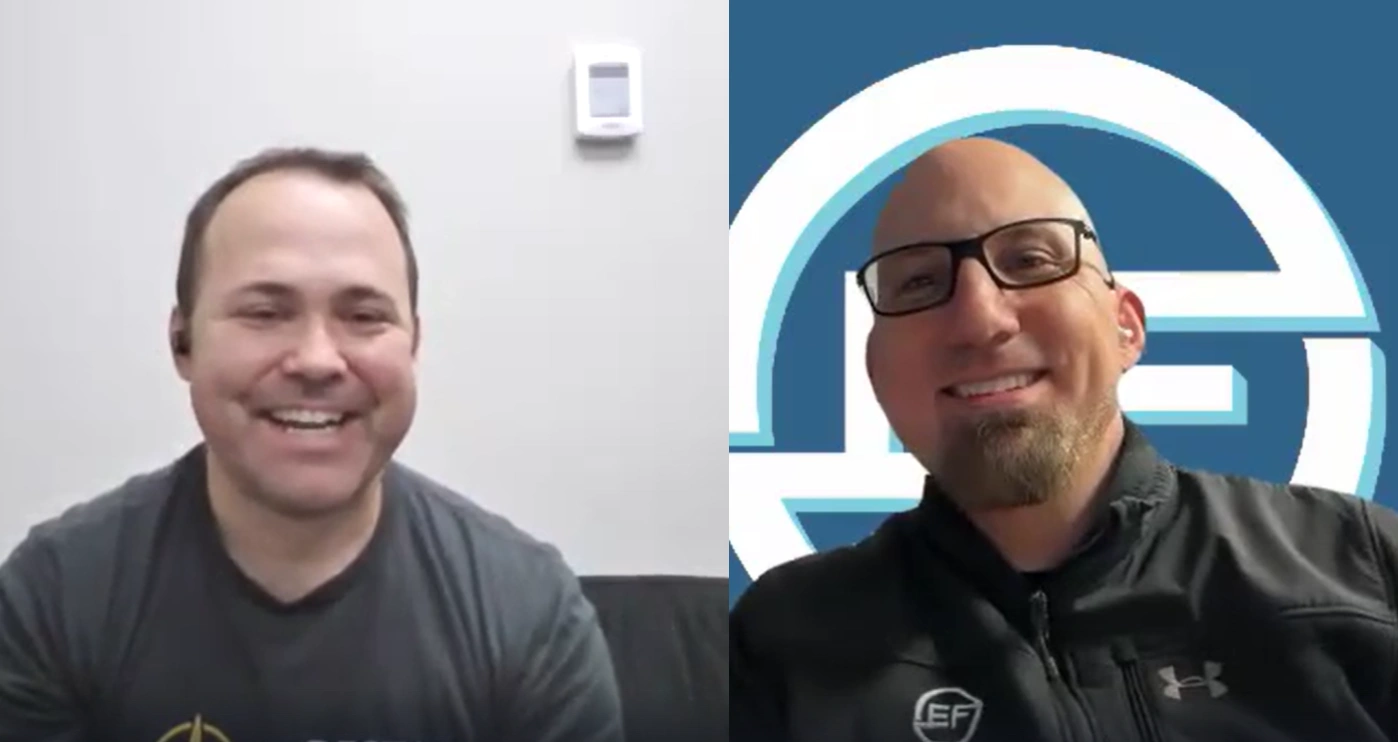
Guest Name: Ben Fogel
Guest Credentials: Owner of Epic Fitness, Olympian, Veteran strength coach (20+ years of experience), former World Cup and World Championship athlete.
Discussion Details: Discussed Epic Fitness and how they are different from other box gyms, Misconceptions about fitness (1-need to be sore every time to be successful, 2-Workouts need to be different every time, 3-Dieting is a curse word). Ben’s method to success and consistent progress to achieve lifetime results.
Benefit of Watching: Learn about a great local gym, understand a tried and true philosophy to staying healthy, understanding proper workout progression and the basics of starting out and staying consistent.
Address of guest’s business:
3065 S Imperial St,
Salt Lake City, UT 84106
Isaac Halliday: I am Dr. Isaac Halliday with Lodestar Physical Therapy and the owner of Lodestar Physical Therapy. Um, and for our very first spotlight series, we have uh Ben Fogel. Um, and so excited to have him on the show. He’s a veteran strength coach with over 20 years of experience and a former World Cup and World Championship athlete. Uh he’s known for his non-nonsense approach to helping people build strength, improve health, and train for the long game of life. Ben, how’s it going, man?
Ben Fogel: Great, Isaac. Thanks so much for having me.
Isaac Halliday: Yeah, I’m glad to have you. Uh let’s dig into this. Like, what an intro. Like, holy cow. World Cup soccer.
Ben Fogel: Uh no, not soccer.
Ben Fogel: I My kids tell everybody wish Yeah, my kids wish it maybe was soccer. Um, back in uh 2003, I I graduated from college and I was a um a discus and javelin thrower at at division one level in track and field. And I I ended up trying out for the bobsled team that summer and and made made it my first year and um ended up living out in Lake Placid, New York, Calgary, Alberta because my our strength coach was Canadian. So I spent about almost seven years competing on the World Cup circuit uh for bobsled and uh compete in World Championships for two years 04 and 05 and um so yeah it was it was quite the the run. Got to travel all over the world and compete at a really high level which was kind of always my goal. Um you know going from track to another sport I always wanted to you know potentially make an Olympic team which I did not make uh an Olympic team. Uh the ’06 games was was the year I would have would have made it and just missed out that year, but competed uh throughout the the 2000s. Really?
Isaac Halliday: Right on. Oh, that’s so cool, man. Um yeah, that is awesome. So, yeah, world Olympian champion, all sorts of stuff. That’s cool. How has that like affected what you do in personal training, things like that? or or just life in general, too.
Ben Fogel: Yeah, there was lots of lessons to be learned over those, you know, I mean, competing as an athlete for, you know, almost 20 years of my life, uh, at a higher level. Um, during those sevenish years of competing in bobsled, I learned what it was like to be a true teammate because in that sport, um, you train as a team, right? You’ve got two man and fourman teams. Um, and uh, you learn really quick what it’s like to be uh, what what it means to be a really great teammate. Um, what I learned in uh, that sport as well is how important recovery is, how important it is to take care of your body even when you can’t really control your environment. Uh, you know, you travel all around Europe, you can barely get a good meal. Um, and uh, you know, you’ve you’ve you’ve really focused in on um, how you can best support your teammates. um the coaches that are supporting you but also your body and taking care of your your health and your wellness. So I think it translated a lot uh moving shifting from from competing at that high of a level to shifting into like business ownership. Um because now we cultivate a team around us. We we’ve got a really awesome team here at Epic Fitness now. Um I uh I’m pretty competitive still. So that competitive fire helps with owning a business. And then also I’d say um a little bit of grit and uh extra grit and resilience uh when when you have failures occur you know whether it’s in a business or in your body or in your health. Um it’s really important to have to be resilient and to look at failures uh not as failures but as um you know lessons lessons learned. So yeah, I love it. what what made you want to go into owning your own business and and personal training?
Isaac Halliday: Uh that I’ll I’ll I’ll kind of give you the quick the quick and dirty answer here.
Ben Fogel: It was 2006 uh September October of ’06 and I was making a big life change. I was moving from Calgary, Alberta, where I lived for about three years. Um this is post post Olympics 06. uh did make that team that year, but I ended up um making a big change in my life. I I moved from Calgary to here to Salt Lake City, Utah. I had drove my old uh beat up uh Toyota pickup truck with everything in the back that I owned down here to Utah with probably less than a couple thousand dollars in my bank account. And I had nothing. Like I had no no plan, no job, no nothing except for a new team that was believing in me. and they they lived out here in Utah. We’re going to train out of here. So, that was the next plan was to go for the next quad the next four years and try to make the Olympic team in 2010. So, with that being said, there was um I didn’t have, like I said, didn’t have a job, but I had a degree in exercise science um when I graduated and took that hiatus into bobsled. So, I’m like, I got to get a job now, you know, to support myself. So, I literally just applied to every big box gym in the area and and uh got got picked up by one of the first places I applied to and became a personal trainer through that that way. And I thought, you know, for me as a personal trainer, I you know what, I’ll just train every pro athlete. I’ll I’ll train all the Olympians because they’ll be, you know, they’ll love to hear my story and um you know, I’m the most qualified person to do that. Well, no, I was dead wrong there. Like, first off, I had zero experience. I I had, you know, I I knew how to train myself, but I didn’t know how to train other people. I didn’t know how to write a program for somebody that’s 35 or 55 years old and deconditioned and and just wants to feel better and move better. I’m like, I don’t know what that means. Like, I’m going to push myself to the limits. Like, why don’t I push you to the limit and you’ll get better. No, that’s not how it works. So, um, some real some real quick, uh, quick hard, uh, you know, quick and fast failures to learn that I’m not training Olympians. I’m not training and I’m training, um, you know, weekend warriors and people that just want to move better, feel better. Um, and uh, and so that was a a really good lesson for me early on is like how how can I make a program and introduce strength training to the masses and do it in a way where um, it’s it’s accessible for a lot of people that otherwise, you know, wouldn’t want to do it. you know, the people that are the most scared of traditional strength training are the people that maybe were um you know, felt like they weren’t being um seen or heard or or you know um cared for, you know. So, those are the people that really I started to gravitate towards that I could help and uh that’s uh that’s what how I started my personal training career.
Isaac Halliday: Yeah. Oh, that Yeah, that’s awesome. It’s It’s funny that you’re like, “Yeah, I’m going to go see all these athletes and we’re going to just train Olympians all day.” Cuz I I I know when I started my business, I was thinking similar, too. I was like, “Hey, we’re going to get all these the people are just going to come in and we’re just going to be making all these people just awesome.” And then you’re like, “Wait a minute.” You know, that real life hits. You’re like, “Oh, wait. I guess that’s not the population that that that’s really going to be showing up right here.” So, um, yeah. Yeah, it shows that that resilience, that grit of just like, oh, got to pivot a little bit. Um, yeah. And then and I’ll go into real quick how Epic Fitness was born. I Yeah.
Ben Fogel: So, I had that personal training job for about six years uh from ’07 to 2013 and all of us know kind of what happened in 0809. Big shift in the economy and um it affected the big box gym I was at where you know um we were all employed. All of us as personal trainers that were there were employed by the gym and then you know they had to make a big pivot in 2009 and be like you know what we can’t a you what we’ve been paying yeah you know which was a large percentage of what we were taking in as personal trainers. So at the time I was comfortable I was you know making pretty good money and I was increasing my client list and all that stuff. But in 09 they’re like you know you got a choice to make. either you can you can make a much smaller percentage and stay an employee of of this uh facility or you pay us a booth rental, become an independent contractor and uh you’re in charge of your own stuff. Um you’re paying us every month this this flat rent. Um, so basically paying rent for the space. And I chose that route because I’m like, you know what, this is going to build me into more of entrepreneur mindset, a business owner mindset, but still um I was the only employee. I had uh I couldn’t hire anybody under their roof, otherwise I had to pay double the rent possibly. I don’t even know if I looked into that, but it was one of those things where from 09 2009 2013, I was building my book of business and building Epic Fitness. um until it until you know we got you know I guess too big to to fit inside their their box anymore and and it was two days before Christmas of 2013 was December 23rd where uh they wanted me to sign a new contract you know independent contractor contract and it would limit a lot of things uh you know where I I couldn’t uh potentially move within three or five miles to run a business and I wasn’t going to sign anything so they basically kicked me out which was actually the best thing that could have ever happened, you know. Um yeah.
Isaac Halliday: Uh because five days later, I signed a lease, I moved into a space, and I opened up Epic Fitness within like about four four and a half days. So Oh, awesome. That’s Wow. Opened it up and that’s a quick uh start to
Ben Fogel: Well, you know, we had Christmas week off or you know, I gave the client a week off once I once I gave them the news. I had about 50 50-ish members then and uh about 45 followed followed us over which was pretty awesome and uh said hey take the week of Christmas off we’ll be open next week hopefully I’ll let you know and we we basically moved in over a weekend and I had been you know I had been uh storing and collecting I guess collecting a lot of fitness equipment so a lot of stuff that you see because Isaac Isaac and I know you remember here at Epic. Yeah, those the white power racks, all those plates, like all that stuff was in a a 10 by10 storage unit for like five years. I’ve been collecting it from since 2008 or seven 2008. And I just been like it’s just collecting dust. I’m like, am I ever going to do this? Am I ever going to like follow my dream and just open a gym? Like I was so scared for five years to do anything until I got that boot and I’m like, you know what? It’s the best. It was a the best thing that ever could have happened to me was them saying, “Get get the heck out of here. You’re not going to sign our stuff. You you don’t belong here.” And so, um, it was a great a great kind of start, uh, end to a new start, you know, a new new beginning for me. So, yeah.
Isaac Halliday: Oh, that’s awesome. Just I love I love the story. Just been collecting stuff. We all have that like rack in our basement or, you know, treadmill or something that just dries close. Yep. and you’re like, I got a lot of that stuff. Let me just find space. Yep. That’s awesome. That is cool. What a cool story. So, um Yeah. And so now, uh you’ve moved to location since then, right? Like
Ben Fogel: Yeah. 2013. It was December 29th we opened. So, just before the new year, so basically we we we opened Epic Fitness, I’d say officially in 2014. Um, and then 2014 to 2021, we had a space down near the brickyard in Millcreek. Um, and we expanded, we expanded in 2019 to another, you know, 1,800 square foot space. So, we had like almost 4,000 or just over 4,000 square feet. Everything was going great. And then, uh, 2020 happened. Everything tightened up again. We had to close for six or eight weeks, however long it was. We reopened with limited capacity. we weren’t doing what we were doing before and it was really hard. And then uh yeah, in 2021 this opportunity came up for a building that was for sale after it was a dance studio shut dance studio that shut down. And uh we were lucky enough to find it, put an offer on it and and get accepted. And so we moved into here, our new space here in Millcreek, which is like a half mile from our old space, which is great for our members to move with us um in uh June June June of 2021. So, we’ve been here since almost for almost 5 years now, which is crazy to think.
Isaac Halliday: That’s awesome. Yeah. And it’s a it’s an awesome space, too. Like, it’s it’s way cool. You’ve done really well with organizing it all and just the equipment you have. It’s it’s absolutely beautiful. So, I’m a bit jealous of it. Um, so yeah, tell us about um like what you do at Epic that’s different than other places. Kind of what what makes Epic Epic.
Ben Fogel: Yeah. Yeah. Um I like to tell people like most most people when they walk into a gym, usually it’s a big box gym or you know they’re paying the $10 or $20 a month membership dues. They walk into a gym and they the first thing they they do is probably get on a treadmill or a bike and just start pedaling or or walking or jogging and they don’t have a plan, right? People just don’t have a plan for their fitness or their health or their strength. And so, uh, the main difference is, uh, when you walk into Epic, every single person that walks in has their own customized plan that’s really unique to them and their starting point. And the cool thing about that is we could be training, you know, you, Isaac, we could be training you alongside a 78 78-year-old female that has two total knee replacements, um, a total hip, you know, or whatever it is. And then next to you and this uh amazing 78-y old female, we can have an Olympic hopeful, you know, in the sport of skeleton or bobsled. And the cool thing is the coach can train all three of you together because you all have your own custom um training plan based off of where you your starting point is and where you want to go. So that’s the biggest difference. I say our biggest difference between like our main competitors uh which are going to be like you know your CrossFit gyms large group training mainly Orange Theory F45 there’s a few of those around us is we’re not that we’re not the large group training um you know one coach to 25 or 30 people. I’m not saying that’s a bad thing. I think for certain population maybe people that are in their 20s and early 30s that can work for until it doesn’t work which um you know it a lot of people you know as as you age you know this Isaac as a physical therapist you see clients that come in they’re like as you age we’re at desks all day long so we’re here and we just completely got become kyphotic our shoulders don’t move like they did we can’t do Olympic snatches anymore you know all those things we used to do when we were kids. Um, and so I feel really strongly in helping those people that, uh, go into a class format, uh, cannot do the movements. Uh, it’s hard for the co, it’s hard for a coach, it’s I think it’s hard for any coach if they’re coaching 25 or 30 people to be able to kind of give um, you know, uh, give a customized approach to someone who can’t do a certain movement, if that’s the only movement that’s targeted in the workout, right? So, um, we’re the we’re the kind of the anti antithesis of that. So, we are going to be very small, very private. It’ll be a coach, um, working with, you know, one to four people at a time. We, uh, shares, it really helps share the cost of what personal training usually is because, you know, most personal training could services could be between, you know, in this market $100 to $150 an hour. And that’s really not us. We do things in that small small private group format. So, you’re really sharing the cost.
Isaac Halliday: Oh, I think I think your sound cut out a little bit.
Ben Fogel: Either that or my earbud did. One one or the other. Can you hear me? Okay.
Isaac Halliday: Yeah. Yeah. Yeah. Yeah.
Ben Fogel: Awesome. So, yeah. So, you’re really sharing the cost um with other members. It creates and cultivates more community that way. And you kind of we build a lot of cool relationships with members. We’ve have we have members in here that didn’t know each other from from anybody when they walked in the door, got to meet somebody, trained in the same hour, and now they train the same time every week, every time. Yeah. And they don’t they don’t not train, they train together the entire um you know, for the last I can give you an example of a a couple ladies, Ally and Charity. They’ve been training together here for the last eight years, three days a week, don’t miss a workout together, and didn’t know each other at all outside the gym. So, it’s pretty cool building that kind of community as well.
Isaac Halliday: That’s awesome. That’s Yeah, it really is a cool uh community there. And like you just show up and you’re like, “Oh, hey.” And like everyone’s just so friendly. It’s It’s really cool. How many trainers do you have there at Epic now?
Ben Fogel: Yeah, I think a total I mean, we have about four full-time coaches on staff and maybe three part more part-time coaches on staff. So, seven total. Yeah. And then we have um really great um you know support here with a membership uh member success um director and then we have a lot of other you know pieces of the puzzle that helps out a lot. So that’s cool. And you guys do like corporate stuff too. What is Yeah. What’s that about? Yeah.
Ben Fogel: Yeah. So for any businesses that are interested we do do corporate wellness and so we have two partners right now. Uh Millcreek City is one of our partners. They’ve been with us for almost just over two years now. And the cool thing about Millcreek City is they come to us. They’re less than like a mile away. Um so they come twice a week for classes. Um we do uh custom classes for their staff and uh we also do quarterly lunch and learns um educational um you know talks. It could be nutrition, wellness, fitness, sleep, whatever topics they want to discuss. We’ll go in and do a lunch and learn orderly along with uh InBody um like health check-ins. So, we’ll check body compositions, give them um tips and tricks on nutrition and all that. We do that as well with another c a private company out in uh um West Valley. So, uh we work with uh we find working with companies that have between you know one to 200 employees. So small to medium businesses works really well. Um it’s for leadership, the HR and the owners that really believe that health and wellness can change um their their teams, their their um their culture and kind of uh you know, we’ve we’ve we’ve looked at it now. We’ve been with one company for over eight years and we’ve saved them over 20% in their health insurance premiums year-over-year. And so like they look at it as like we’re investing this money for you, but we’re saving way more than what we’re putting into the program. So it’s it’s pay it’s paying off, you know. So yeah, um when companies realize how much they can save on, you know, health insurance premiums, on sick days, absenteeism, on uh just morale and uh the culture the culture change that happens. Um we are super enthusiastic about those changes and what occurs, especially being in person. will go out to that um that facility. We built like a 5,000 square foot gym for them. Uh so our coaches go out to West Valley twice a week for that that client does we do two classes a week twice a week. So it’s really kind of high-touch hands-on work. So, you know, if there’s businesses out there that are, you know, maybe have a a fitness facility or a gym that’s underutilized that, um, you know, isn’t getting a lot of love or you need you need, you know, a a coach and a um professional to go out there to to run a program, um, that’s what we do.
Isaac Halliday: That’s awesome. That’s cool. Um, yeah, and you know, you mentioned, you know, fitness, decreasing health costs just in general, right? and saving money. But what would what would you think? Cuz there’s a lot of ways that we can do fitness and things, right? There’s like online programs. There’s Oh, man. There’s big box gyms. There’s AI now. Yeah. AI now, right? What what would you say is like the biggest um misunderstanding about wellness or I don’t know the biggest like thing that you’re like man if this could just go away like people could really break through with their wellness.
Ben Fogel: Yeah. I think the m the the most common misconception we get from new members is the workout has to be different every time I walk in or um I need to be sore every time after a workout or um I should be on the I hate the D word but I should be on a diet um to lose weight. Um all those all three of those things are are I think I feel strongly they’re all myths and they’re all untrue. I I’ll I’ll talk about the first one. So, um uh the workout needs to be different every time. No. Uh that’s why they call progressive resistance exercise. So, uh we build out training blocks that last four to six weeks um to ensure that the client is making progress so they can see over time that you’ve added a little bit of load. you’ve increased your, you know, um, your ability to, uh, you know, to to to lift more, lift a little heavier, do a little extra repetitions, whatever. The thing is, we’re tracking. You can track that over time with a similar exercise, so you know you’re making progress. So, um, and this has been known for the last 60 plus years. There’s been research on progressive resistance exercise. Uh, but after four to six weeks, your program will update and change as you get stronger. And so we really believe strongly in yes making updates, making small tweaks and changes based on your goals and your needs. The second uh myth I talked about is being sore every time. Clients uh a lot of clients come from the CrossFit community or Orange Theory or F45 or where they really just you know every workout’s different. Every day is different. Uh you’re going to get your butt kicked in that in that and if you’re not sore tomorrow then well hell it didn’t really count for anything. Um that’s that’s a myth and it’s untrue. So, um, now new novel exercises. Yes, you you might get sore from doing a rear foot elevated split squat or a Bulgarian split squat as we know them. Um, yeah, you might get sore if you had done that for a year. Uh, with just your body weight, which is normal, but are you going to get sore the second, third, fourth, fifth time you do them? Hopefully not. Uh, you shouldn’t be. Um, because your body adapts to the training. Your body adapts to that level of soreness. and uh we we want you to like what our goal is for our clients is we have a 65-year-old male in here that just wants to look better and feel better. We can’t make that client so sore on Monday that they can’t show up on Wednesday to repeat the workout, you know, we’ll be losing money or, you know, and we’ll be losing clients. So, um our goal is to make it repeatable, right? um push them to the edge of where their um comfort zone is and where their uh level of experience is, but not past that level and allow them to show up the next day feeling pretty dang good. Now, soreness will happen, but not every workout. Um then the third myth, what was the third myth, Isaac?
Isaac Halliday: Um diet. Oh, the B word. Yeah. So, your favorite word.
Ben Fogel: Yeah. Um, do you have to be in a calorie deficit to lose body fat? Yeah. Yeah, you do. Um, but uh do you have to track every calorie you eat? No. There’s there’s so many um so much evidence to support that. Uh we usually will either under track or over track our calories in a tracking app. Um we use more behavioral change approach. So we’ll use small little habits like we’ll ask you Isaac if you say say you want to come in came into Epic Fitness you’re like you know not that you have to but he’s like I want to lose like 5 to 10 pounds and that was your goal right we wouldn’t say hey get on this diet like you’re going to you’re going to have to track 1,800 calories a day because we know based off of your uh InBody your uh basal metabolic rate is you know 2200 calories. So if we get you in a 500 600 calorie deficit you’ll be good to go. Nope. The body doesn’t really work that way and it’s really hard and tough to track and clients over long enough time don’t do that. They don’t they won’t do it. So what we do do is we will ask you for like a seven to 14 day food journal. We’ll ask you just to write down everything, not the calories, but just like the amounts and what the food is you’re eating. And then we’ll just look at any gaps, right? And we’ll ask the client, hey, it looks like around 2 3 o’clock every day you you go for that Coke or Dr. Pepper or you’re going for that sweet treat. um in place of that, can we try one extra uh serving of protein or can we try an extra glass of water for two weeks or whatever it is. So, we’ll start with just small little like micro changes and and and uh keeping them accountable to that. And what normally happens if they can change one small habit um it kind of it snowballs into other things. So, um we don’t love the dword. We don’t ask people to go on diets. We ask them to change one small one small behavioral habit every couple weeks or so.
Isaac Halliday: Yeah. Yeah. No, I I love it. I love it. And I love I love your intake process, too, on on a on a new client, right, that comes in your door. You know, most most gyms that I’ that I’ve gone to, it’s like, “Hey, cool. Yeah, welcome. We got the the gold program, the silver program, the platinum program, you know, like which one do you want?” you know, and and you guys like actually will like sit down with the client. Can you run us through that like little process that you guys do because I think it’s awesome. Yeah.
Ben Fogel: Yeah. So, initially we’ll we’ll hop on we call it a discovery call. So, before they walk into the gym, we want to get on the phone and just make sure that we’re potential good fit for them and they’re a good fit for us and our community. So, that takes about 15 minutes. And once we real um we understand more about them and know we could definitely help them then we schedule that strategy session. So that introductory strategy session completely complimentary people come in takes about an hour to an hour and 15 minutes and you you did mention it is a robust um uh a pretty robust um screening process. So what we’ll do during that hour is we’ll we’ll dive into they’ll they’ll filled out a health history and a goals questionnaire prior to coming in. Uh we’ll review all that. will re review in detail their goals. We call them their I wills, the things they want to accomplish over the next, you know, six to 12 months, what that looks like for them. Um, from there, um, we’ll take that information. Then we’ll also, um, we’ll also do a functional movement screen, um, after we review all their health history. And during the functional movement screen, and I know you’re familiar with this, Isaac, there’s seven movements, base movements where we’re looking at mobility, stability, there’s strength, um core stability, also any asymmetries from left to right sides, and also looking at uh pain provocative tests for shoulders and for the lower back and flexion extension. So we can kind of clear a lot of clients from um pain, pain painful movements. If they do come in with um you know any pain, pain painful symptoms during the movements, they call they usually go to you if it’s something we can you can help them with. Um but it really helps us create uh that that that unique starting point that that the client will need to uh to start at. So instead of throwing them into a class or a large group program, they started out in that very small uh more private approach um where every single um exercise is curated uh based off of uh what we screened them on. And after that, we we’ll, you know, we’ll do a full tour of the facility, show them around, give them what it uh show them what it’ll look and feel like as they become a member because they’ll have access not only to the coach-led sessions or the personal training sessions, to the client sessions, um but also our um our classes. Um so they have access to all of that. And we uh and then we come back sit down and you know we give our professional recommendation of which membership option will probably serve them the best based on their you know their goals, their needs, their budget, time, all that stuff and uh and then you know let them decide kind of what they feel would work best for them. So that’s kind of that’s the overview.
Isaac Halliday: Yeah. Yeah. And that’s right and that’s that’s also where you kind of go over you know you said you go over their goals. So that’s where they would kind of talk about their, you know, if they want to lose weight, they talk about their food and they bring their journal and all that stuff and yeah, kind of sit down and that’s awesome. And then, and then obviously you mentioned it too, like if they are hurting in some of those motions, how do you determine like, hey, this is something that we can kind of help correct as personal trainers or we need to refer you out to either a physical therapist or or someone else. How do how do you guys like go through that? determine.
Ben Fogel: Yeah, great question. Um, usually it’s a lot of it’s in their health history. So, um, I’ll give you an example. A gal came in yesterday. She had a slap tear in her shoulder years ago and she said it’s still hard for her to go overhead, like do any kind of exercise or movement overhead. And, um, and so you you know, you get curious in the session. And I asked her, I’m like, “Well, how long how long has it been bugging you um, you know, since the tear, since this the surgery and all that?” She’s like, “Anytime I do anything overhead, like my my upper back is on fire and my shoulder hurts and this that and the other.” And then you’re like, “Okay, well, I’m not going to screen you for the uh you know, the trunk stability push-up. We’re not going to do that today, but we are going to look at um you know what your mobil general mobility looks like and if there’s any pain in the you know, the the impingement sign test that we do that you know of.” And so, um, if she, you know, if she doesn’t clear that, let’s just say she didn’t clear that yesterday, um, you get, you get, we connect with you and say, “Hey, Isaac, we got this new client. Um, uh, we’re we’re building out a program. We’ve got some questions for you or, uh, we think this could be a really great client because she’s, um, you know, done PT in the past and had success with it and she does, you know, needs a new PT home or whatever.” So, uh, we’ll normally refer out in that those circumstances when someone comes in with a major kind of underlying medical condition or surgery that they still are hampered by and still have an issue with. So, that’s usually where we’ll have you step in, help us out.
Isaac Halliday: Yeah. No, that’s great. And we have we’ve helped you out quite a few times with a lot of your clients and it’s been great. Um, and then we just send them back to you and you guys just continue to build the strength and keep them back from not coming back to me.
Ben Fogel: Yeah. Well, hopefully that’s the goal. Yeah. Yeah. Great. Yep.
Isaac Halliday: That’s awesome. uh with this last little time left. Um and maybe we should have started with this, but like I want to just talk about you and just let people know who you are um as the owner. Um father of two boys.
Ben Fogel: Yeah. Yep. Yep. So my boys are 12 and 13 now. Dean and Roman. They’re really um active in their lives. They they both play competitive soccer right now. Um they’re really loving it. Um my oldest Dean, he actually learned how to pilot a bobsled uh this last uh winter season up in Park City. Uh I was his brakeman for the last week of a camp which was really a lot of fun just doing that with him. And uh you know I never piloted a bobsled. I was always the push athlete that I was the dummy in the back and I’m still the dummy in the back. Um not that brakemen are dummies or anything but I think the drivers a little smarter to get up in the front seat to be in control of that sled. But he did awesome. So like all that is um is really uh really awesome and fun to um to see, you know, and be a part of because Dean now has a goal to compete in the Youth Olympic Games and the Youth Olympic Games happens every two years between the Olympic Games. So the Youth Olympic Games will be in 2028 in Cortina and he’ll be 15 and a half at kind of a perfect age to um to to start and roll uh into that sort of um you know competition. So, we’ll see what happens there. And then obviously, as we all know, 2034 is right around the corner. It’s going to happen before we know it. And gosh, Dean will uh probably have eight years of experience on this home track in Park City and also not only eight years of driving, if he continues it, right? Like, I’m not pushing him at all. You can tell I’m not pushing this guy. Yeah. He he he actually loves the sport. Um, but in 2034 he’ll be 21 years old and you know as a 13-year-old he’s he’s already almost six feet tall. Thanks mom. And also a pretty pretty athletic kid. And uh he actually did a combine test for USA Bobsled two weeks ago and performed really well. He ran he almost ran a sub 5-second 40-yard dash which was surprising to me. you know, had his hand in the dirt in a three-point stance for the first time ever and he’s usually just running up and down the field running after soccer balls, you know, and running after people. So, it’s kind of cool to see that transfer over without not a lot of like track work. We did a little bit of stuff, but um so yeah, I’m really proud of that. Um raising my kids is my number one priority right now. I’m a cancer survivor, so we we we train a lot of cancer survivors uh because we’ve kind of attracted those types of people, which is really awesome. Um I was diagnosed with a really rare form of leukemia back in 2015. Went through two years of chemotherapy and I’ve been in remission now for um is that going to be almost nine years, eight years. Um so I’m healthy. Uh and and uh go up to Huntsman Cancer Hospital every every six or so months to get everything checked out. But that’s all been well and you know our family’s been afflicted with lots of lots of cancer and lots of that stuff and and uh we just keep keep fighting and keep pushing along. So um yeah I was like and we could probably talk the whole hour about how personal training and the right amount of exercise for cancer survivors or even those with cancer like too much is too much. It’s not good for you but too little is good. You just got to hit the right amount and it’s all the
Isaac Halliday: Yeah, for sure. Yep. Wow. Yeah. Well, man, is there any last little uh tidbits of knowledge or wisdom that you want to share with everybody? Um
Ben Fogel: yeah, I’ I’d say um if you have an injury and have something hampering you um where you can’t exercise currently, you’re in a tough spot, right? like that. Definitely give Isaac and his team at Lodestar a call. Um uh we we’ve refer um so many uh clients over that he’s helped that we are 100% and I use you as well. So I go to you for my neck and um old bobsled injuries and and uh you know I I’d say uh definitely go to Isaac. And then, you know, we like to say we like to we love to be able to bridge that gap between physical therapy and training to our clients that have had injuries, have had surgeries. What Isaac does a great job of is um you know, once people are ready and get to get back in the game and get into a strength training routine, Isaac’s great at getting them kind of um you know, basically kicking them out the door, graduating graduating them to be able to do strength training. And I feel like we’re a really really great place to start that journey. um and hopefully a great place to stay in that journey. Um and to continue to get stronger and more fit. So, you know, um I’d say if you’re watching this and you’re in either of those positions, hopefully we can be of of help for for our community out there.
Isaac Halliday: Awesome. Well, thanks for the thanks for the plug. This is a spotlight on you and uh thankfully that means a lot though. Um where can where can people find you if they want to get in contact with you like website, email, social media?
Ben Fogel: Yep. Just EpicFitness Utah, all one word. EpicFitness.com is our website. Connect with us there. Also, you can check us out on socials. We’re really active on Instagram. Uh it’s just EpicFitness Utah. Also on Facebook, same thing. EpicFitness Utah. Um you can also connect with me if you need want to email me. It’s just ben@epicfitness.com. Super simple. um love to hear from you and uh yeah, any way we can support our community out there, we’d love to help.
Isaac Halliday: Awesome. Well, Ben, it’s been it’s always a pleasure to ch to chat with you and um yeah, man, we’ll have to do some more in the future. Again, we could just there’s so many things that we could just talk about. So, we’ll have to maybe in the future we’ll hit a another one from the first and then we’ll first Here we go.
Ben Fogel: Yeah. Awesome, man. You did a great job, Isaac. I I love the uh the talk today.