


Interview with Ronda Davis
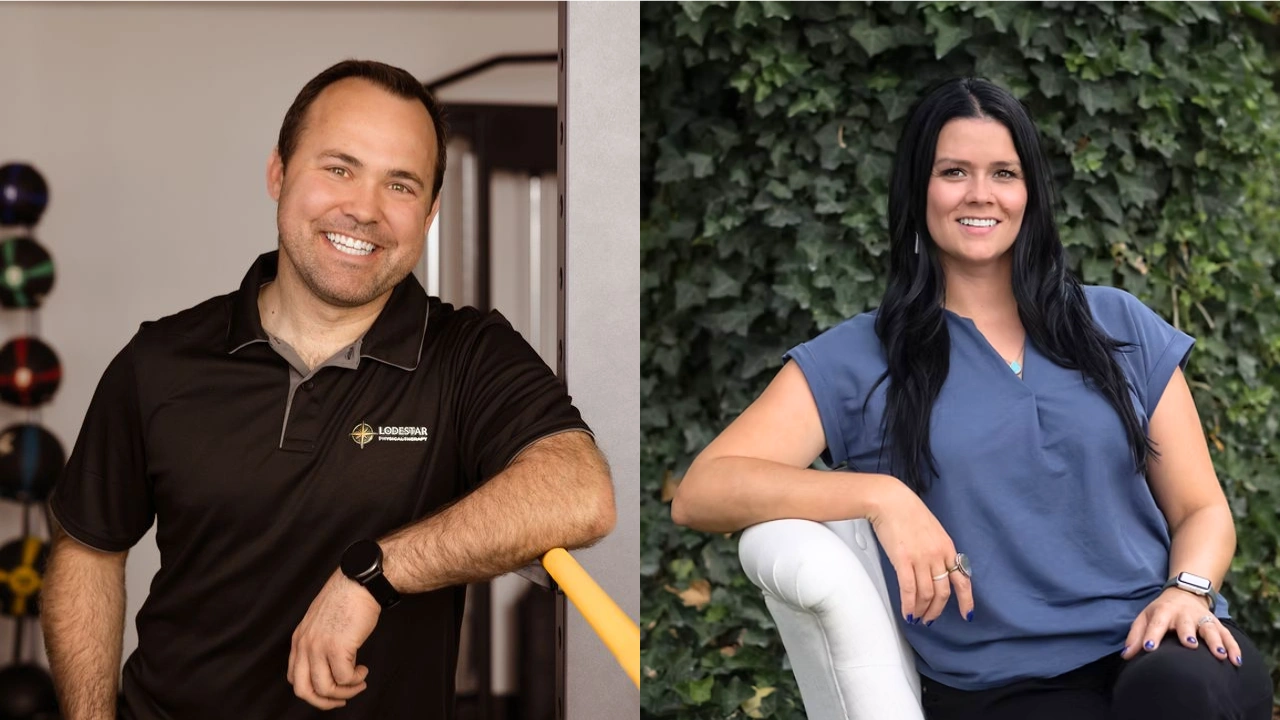
Spotlight Series topic: The Cost of Being the “Strong One”: Breaking Free from Survival Mode and Hyper-Independence
Guest Name: Ronda Davis
Guest Credentials: LCSW, Therapist, Speaker, Healer
Discussion Details: In this Spotlight we discuss the misconceptions around mental health and mental health therapists. We talk about what trauma is and how Healing Feathers Therapy has been helping hundreds recover with their very personalized approach and many methods.
Benefit of Watching: Learning to Step Out of “Survival Mode”, Understanding the Mind-Body Connection, Shifting Beyond Traditional “Talk Therapy”, Normalizing Grief and “Learning How to Fall Apart”,
Address of guest’s business:
4578 S. Highland Drive, Suite 350, Millcreek UT 84117
Ronda Davis: Yeah. Yeah. Um who am I? Uh well uh you introduced me very very nicely. Um I’ve been a therapist for the last 12 years. I’ve owned my own group practice. It’ll be seven years this upcoming summer. Um, I have worked in the mental f mental health field in a variety of settings from substance abuse to addiction to kids to individual to group therapy. So, I really have worked with almost every population. Um, I love what I do. I’m very passionate about this field and I’m obviously even more passionate about just really truly helping people get on the right path and heal and transform their lives.
Dr. Isaac Halliday: So, I love it. And I’ve heard that you love uh creating like cozy spaces. Is this Tell us about like do you just go to like random spots of the city and be like this is going to be a cozy space for everyone?
Ronda Davis: Kind of. Yeah. I mean I think it shows very much in my office. So we are it’s a non-traditional holistic office and I was very adamant about when I decorated my office that I wanted it to be different. And part of it is I just brought my true authentic self to that. Um, I love blankets. I love sitting on the floor. I love being barefoot. And so I’ve just kind of adapted that into my office. And so yeah, I would say like when we go to friends houses, I am that friend that’s going to make myself at home whether you invite me to or not with like shoes off in the corner with blankets, pillows, whatever. And honestly, it just works in the therapy spaces, too.
Dr. Isaac Halliday: I love it. That’s so cool. And you do have a cool office. I I have to admit it is super cozy, super fun. Uh it makes people feel more relaxed, right?
Ronda Davis: Like sometimes people therapy already has this stigma of white wall, you know, me sitting sternly with my clipboard writing a note and like that’s not what therapy is. But I think so many people have this anxiety or fear towards coming anyway. So when they can walk into my office, you know, and lay down on the couch or sit on the floor or take their shoes off or they see me walking around the office without my shoes on, they’re like, “Oh, everybody doesn’t have to be weird.” And this old lady with the clipboard just validating my feelings.
Dr. Isaac Halliday: Yeah, totally. Totally. And I love that, too. Like you brought like that big misconception of someone’s like, “Oh, like therapy means, you know, like everything you see in Hollywood where they’re like laying on the couch and the therapist is up by the head.” Yeah. you know, and they’re like, “Okay, close your eyes and tell me everything about your childhood.” Yep. Yeah. You know, like it’s not it’s not that way at all. Um Yeah. with you. And I love it. I think it’s awesome. Kind of walk us through a little bit then of right if someone just like first time they they get a hold of you, what is your process that first that first visit?
Ronda Davis: So, I would say it even starts before the first visit. We try our hardest to do like a consult or at least even just a brief moment over the phone of trying to understand why you’re wanting to come to therapy. Uh my office specializes in trauma interventions. So what that means is that we don’t just do basic talk therapy. Um therapy, you know, cognitive behavioral therapy or CBT is like the foundation of therapy work or mental health work. Um and because of that therapy also has a bad rap, right? A lot of people, like we talked about, don’t want to just come and they have this image of please don’t just validate my feelings and listen to me. I want to get in there and do the work. Um, so our office is very different and and not that we won’t see you if you know you’ve never been in trauma or never had a horrific accident. Uh, but our the the perspective of where we look or take you, the questions are so much more intentional in that. So when people call us, we like to understand a little bit more about, you know, why you’re coming, what your intentions are, how you’ve heard about us to make sure that kind of in a way, you know, what you’re getting into. Um, we also, you know, therapy, a lot of it comes down to the rapport, the safety you have with your therapist and making sure that we actually are going to be a good fit for you. And I am the first one to collaborate with other colleagues, therapists, offices. if we’re not able to be the right fit for you or help you, then I will refer you. And so I want to make sure that I don’t waste your time in finding that and I want to also be a support in that process. So if somebody contacts us, you know, it’s it’s a phone conversation with either one of the therapists or my office manager. The first intake then is the most intimidating, I think, for a lot of people. We we actually get a lot of people mad because our questionnaire, right, is no different than a doctor’s office, but it’s your life story. Why are you coming to therapy? What’s not working? So, people actually will literally comment like, “I’ll talk about this in session.” And I’m like, “No, I need you to give me something. Like, I need to understand why you’re coming so I can prepare.”
Dr. Isaac Halliday: Yeah. Or you could just write it here.
Ronda Davis: Yeah. I’m like, “Could you just give me a sentence?” A little bit.
Dr. Isaac Halliday: Yeah.
Ronda Davis: Yeah. So, the first session intentionally is supposed to be us going over, you know, Isaac, why are you coming to therapy? What is it that you wanted to work on? Has there been a traumatic event? What what does your depression look like? What hasn’t worked in the past? And it’s really a conversation, but also a lot of questions. And our intention during that session also is for you to get to know us. And that’s where I think a lot of people in the field also don’t advertise that. We have so many people that, you know, I tell them if you have questions for your therapist, write them down and bring them into that first session because it’s also your opportunity to make sure that you’re going to feel safe and that again it’s going to be that right fit for your needs.
Dr. Isaac Halliday: Yeah. Yeah.
Ronda Davis: That was a rabble. Did that answer your initial question?
Dr. Isaac Halliday: I think it’s great. Yeah. I think it’s great. I think it’s great. I think a lot of people um in in the medical field too like you know like people show up and they like feel like there’s just this invisible wall between them and the physician or the health professional or whoever it is just like like it has to be this way because there has to be this wall and I think even even the other way around right so like coming in as a patient you kind of feel that that there’s that wall um but I think a lot of uh health care professionals put that wall up themselves. And I think that hinders a lot of growth with people. I mean, I see that in my PT practice, you know, yeah, you know, like people that come in and like they’re hard to get to know because like cuz they’re like, “Oh, there’s like this weird barrier.” It’s like, would you just like be normal around me? Like it’s cool.
Ronda Davis: I mean, obviously I’m biased towards you and I because I know we operate very differently and I’m not saying that just because I’m biased towards us, but also I do believe that. I’ve seen you practice. I know how I practice. A lot of my practice is such an intentional, thoughtful way because I know what exists elsewhere. And I do believe like people have medical trauma. I do believe that people have gone to different providers, therapists, doctors, whoever, and gotten dismissed, haven’t been listened to. I mean, you name it. And I get where people come in and there’s that rigidity. But the thing is, I tell people all the time of like we can’t help you if we don’t know what’s going on. And unfortunately, right, that’s again a misconception in our field is when you can’t see that illness, right, in mental health, often people don’t see that you’ve been traumatized. People don’t see how bad your depression is. how how do I just Yeah. I don’t have a stethoscope that magically is going to tell me all these mental issues or struggles that you’re going through. But I also get it. I have, you know, I’m compassionate and empathetic with that where people don’t trust therapists and and our job. I tell people I’m so passionate about it and I’m so thankful of what I do because really I don’t my job kind of sucks. Like nobody comes to therapy and tells me about how great their life is. people come to tell me how horrific and awful and I’m so grateful of that, but also what an awful place to be in knowing that literally for the next hour all we’re here to talk about you. It’s vulnerable. It’s uncomfortable. I’ve been a client. I’ I’m in therapy. I don’t I mean I get it. I don’t like doing it either.
Dr. Isaac Halliday: Yeah.
Ronda Davis: And I hate talking about myself to non-therapists like Yeah. It’s awkward. It’s something we really don’t know how to do.
Dr. Isaac Halliday: Yep. Yep. Yeah. And and I think you bring up a good point too of like a lot of people like they don’t see that trauma or they don’t see that depression or they don’t see whatever mental health issue that they’re they’re dealing with. And I think you know as as you brought up before like often like very successful or functioning people who look like they have everything together are usually those that struggle a lot too. Yeah. Um would you I mean I think you’d agree with that.
Ronda Davis: Yeah, I mean I think that’s really where the last few years I’ve developed my brand individually. So going, you know, doing things more like this of speaking engagement, podcasting, I’ve been talking about that a lot more because that’s something people don’t realize. You know, a lot I’ve worked with so many people where they’re like, I don’t think I need therapy. I’m fine. You know, and then we get into it and it’s kind of your average Joe. It’s those people that you would never expect that anything is wrong with them. Um, you know, they’re the high functioning, productive, successful people in society. A lot of people think that we deal with, you know, the the person who’s depressed who wears black clothing that listens to goth music and hides out in their basement all day. Like, I’ll I don’t have any of those clients. I have people that look like you and me that you would never ever know the the crap that they’ve been through in their life and all that they’re holding. And unfortunately, it’s those type of people. It’s people who appear successful, appear high functioning that are really struggling the most internally and that they don’t feel like they have anyone they can rely on. They don’t feel supported. Um I think internally they feel really really exhausted, alone, and isolated.
Dr. Isaac Halliday: Yeah. Yeah. And then like when and and you have like a lot of different methods that you use and you have a whole team of therapists that all like specialize in everything else that like blew my mind. How many how many different like areas? I’m like yeah. So, like kind of go over a little bit about like how you help these people like what treatments do you use or these specialties that you have in your practice and all that stuff cuz I think it’s important for people to to know what’s out there too because they might be like, “Hey, you know what? I struggle with that and I didn’t know that this thing existed or whatever.” Right.
Ronda Davis: Yeah. Absolutely. I mean, I’m happy to. I think that the one thing I want people to hear when we have this discussion is well one of two things therapy has come a long way. You know it used to be just very black or white CBT. You go in you talk about your feelings you get validated you maybe get some solutions or coping skills thrown at you and out the door you go and repeat week after week. therapy. You know, especially since COVID, the last 5 10 years, there has been more interventions that people are recognizing that really are effective. And you know, some of those those approaches have been around since the 70s, 80s, but they never got really taken seriously um for various reasons. Um and so a lot of it, the therapy world has grown and expanded. And so, yes, there are a bunch of different approaches. We specialize in in a few of them. Partly going back to kind of the mission, the vision of my office is that we now understand that trauma is so much more than just your thoughts and that you, you know, you you’ve lived abuse, neglect, abandonment, anything really through your life. And it’s no longer just I can think my way out of this. And so when you go to therapy, I guess my point to all of this is I’m happy to expand, but also want people to understand that there is many therapeutic interventions that can be used. They’re really isn’t just this one fit for all for people. And my office, I would say, yeah, focuses on the the interventions that focuses so much more about mind, body, and soul, right? Being able to build mind, body connection. So, somatic work, that word gets thrown around a lot and a lot of people don’t know what it means, but somatics is getting you into your body, having the awareness of, hey, I’m feeling anxious. Great. How’s your body responding when you feel anxious? Um, recognizing the trauma, the the survival patterns that you developed after a trauma event. Trauma also has a bad rap, right? When you hear the word trauma, most people are like, “Whoa, I have never been in a car accident. I’ve never been abused. People don’t realize half the traumas that we’re talking about is a lot of childhood experiences. And it can be something as simple as, you know, I was always under my siblings shadow. I was the good one. I was the easy child. We’re not really talking all the time about childhood abuse or sexual abuse or neglect that you were left on the side of the road and not fed for a couple days. I think people hear trauma and there’s that automatic resistance of I lived a good life. There’s nothing wrong with me. Well, to your point, yeah, there’s nothing wrong with you, but we all have experienced trauma in some capacity. And the way our nervous system looks at it is logically we can spend 30 years of our life knowing that you’re safe, your family was good, you’re okay, you survived, it was 20 years ago. Your brain knows that. Your logical system knows that, but your nervous system doesn’t. And that’s a whole other language that that’s what we teach our clients. And so, we specialize Yeah. in somatic interventions, um mind body awareness, um EMDR with IFS, those are kind of really popular terms that a lot of people are seeking out because they’re right how effective they are.
Dr. Isaac Halliday: Yeah. What what are I hear them like I just hear a lot of letters, a lot of big words.
Ronda Davis: Yeah, that’s the therapy world. We’re like the medical terminology. Um so EMDR, it’s been around for um since the late 70s, early 80s. It’s eye movement, desensitization, and reprocessing. big words. I’ll simplify it. It basically means we use bilateral movements, so back and forth movement of your eyes to reprocess a traumatic memory and make that memory um desensitized or less triggering for your internal nervous system. The best way to describe like a visual is if you tell me if you come to therapy and tell me about one of the worst experiences of your life, right? If I tell you, Isaac, can you think of that day? You very quickly can go there, right? It’s pretty vivid. You almost can go back to that moment. You’re recognizing color, shapes, textures, patterns. EMDR is taking that picture and us kind of submerging it underwater to where that picture gets cloudier, blurriier. You can’t remember exactly all the details as you would today. It doesn’t get rid of the memory, it just desensitizes it, makes it foggy, so it doesn’t exactly trigger you in the way that it did, you know, currently or in this present moment. Um, IFS is internal family systems or parts work. So the movie Inside Out, that’s like your visual to understand parts work is that there’s various parts internally that we have that are all functioning to protect us. Um, and so parts work is getting into these parts, identifying them, being curious about them, um, and understanding what they’re protecting.
Dr. Isaac Halliday: That’s that’s a whole different that’s a different realm. I love it.
Ronda Davis: Yeah. That’s why when you asked me, I was like, I’m happy to go into this, but like that’s some, you know, most people like they don’t even want to know that. They just want to know how can I help them and what does that look like and how is it different than traditional talk therapy, right?
Dr. Isaac Halliday: Yeah. Which I think is I think it’s like I mean I don’t know really anything like honest like I’ve never been to a therapist. I like like I don’t I don’t know like the only thing I know is like through you like um and so like I think there’s a lot of people though that are out there too that like struggle with things and they don’t know that they need a therapist. Right. Totally. Like what to you is like I don’t know someone like somebody like what is like a trigger thing for you like hey if you are constantly experiencing these things is that when you go see a therapist or like when is that I don’t know what is the when does someone come see you? Yeah.
Ronda Davis: Well outside of being like oh I’m so depressed or Yeah. I think when do people come is a different question than when people should come. I think anyone should be in therapy. Um I relate it a lot to physical health, right? And I’m sure you connect this a lot. The more that you can do to keep that consistent patterns of healthy behaviors, healthy movements is going to only keep you healthier. So when people should come is, you know, way back in your childhood. And unfortunately that doesn’t happen to most of us. So as adults, when do people come? Most of the time people come when they’ve hit their breaking point, you know, not and that breaking point can look different for everyone. It can be a suicidal attempt on the far extreme or it can just be in the sense that like daytoday you are so miserable that you can’t get through your day without without alcohol, without a breakout, without a panic attack. You know, it’s it’s the emotional dysregulation that gets in the way of everyday functioning. Um, I would say everyone’s triggers are different. And so I think that if you’re someone out there who is having flashbacks, having that post-traumatic stress response of where you’re just living in fear and that hypervigilance is so high, yeah, you should probably talk to a therapist. But also, again, going back to kind of that Joe Schmo analogy, if you’re Joe Schmo, going to work every day, feeling like your heartbeat is going to explode out of your chest, feeling like your mind doesn’t shut off, and you’re in charge of your employees, your family, your siblings, all of these other people, and you feel like you never get a break, you should also probably be in therapy. So, I think it’s a difficult question because everyone’s window is different. You know, those of us that have maybe bigger windows, it’s going to take me a while to go admit that I need help. Whereas some other people’s window, it’s it’s going to happen through a fight, through a stress, a a hard conversation with the boss. It’s not going to take much to put me over that edge.
Dr. Isaac Halliday: Yeah. Yeah. No, that’s very that’s very helpful and insightful, too. Um, like when when someone comes to you, like what is I’m sure again it’s different for everybody, right? But I think at least in my mind, someone that’s like, “Oh, I go to therapy.” It’s like, “Oh, cool. You go twice a week for ever, right?” Like, for the rest of your life, you’re going twice a week. Like, what is your typical um visit rate with patients? I mean, obviously it differs for everybody, but um yeah, you know, do you are there people that you’re like, “Cool, you’re you’re discharged. just come see me every so often or is it like everything’s a lifetime?
Ronda Davis: No, that philosophy has also changed in therapy. You know, I tell people just like medical diagnosis, your diagnosises can change. So can your therapy experience. I think really up until, you know, about 10 years ago, there was this life sentence. You went to therapy. You were the crazy one. You, you know, belonged in the state hospital. And so much of that is such old school and a lack of information. There are practices out there that for their business model, keeping you as a client, keeping you reliant on me as your therapist is going to be my way of keeping consistent income. Um, my office at Healing Feathers, we graduate people all of the time. Everyone is obviously on a different time frame of what that looks like. That’s one of the probably proudest things I can say about my office and my treatment approach. I tell my clients all the time, I as much as I get to love and respect and adore each of my clients, I don’t want them in my office forever. I’m not doing them a service by keeping them stuck. I truly want to help them get in there, resolve their trauma, overcome their issues, and send them on their way. And so we I mean I think that’s comes where we’re so specific of the interventions that we use. We genuinely want to help you heal and then let you go live your life in the world. So um every everyone’s time frame looks different. I would say on average most people come to us once a week. Licensing is different. That’s a whole other conversation because legally I can’t see you more than twice a week. That’s why people you don’t see your outpatient individual therapist like you would an IOP. Um so most people come to us once a week consistently. I can tell you from our office I would say most people on average are with us anywhere from about 9 months to maybe a year and a half. Again give or take depending on your motivation, your consistency and what we’re dealing with. You know, we’re if we’re talking about complex trauma, that’s a far different conversation than everyday anxiety, right?
Dr. Isaac Halliday: Yeah. Totally. And I love I mean, it’s fun to discharge people, right? Like it’s fun like you go celebrate with them. You be like, “Hey, you are so awesome.” You know, and like Yeah. So, it’s cool like with your practice how you’re like, “I I we have an end goal and we have this like this is where your life could and should be. like let’s get you there, you know, and and it’s awesome that you do that because I think a lot of people’s minds are like uh this is going to be forever, you know, a life sentence basically.
Ronda Davis: Yeah. I tell my clients like usually the first couple sessions I will tell them my goal is I don’t want you here forever. What’s funny you say the word celebrate. It really truly is a celebration for us. Like I get excited and there’s sometimes that I’m like oh man today’s our last session. feel like I should have confetti bombs or cookies or something. And clients have the opposite where they’re just like, “Am I going to be okay? Like, what am I going to do without you?” And I’m like, “Oh, no.” Like, “We’re not sad. You did the work. You get to live your life. You get to be graduated.” Yeah. My favorite story, I had a client, this is probably now two or three years ago. Um, we had this conversation. We were preparing for her to discharge and she literally looks at me and she goes, “Wait a minute. So, you’re telling me there’s people walking around that are actually like healthy? And I was like, yeah, I mean, not very many. And I kind of made it a joke, right? But I’m like, yes, there are people out there that are healthy that don’t have to rely on therapists every week. Um, and I just that was it was she normalized it, right? And it made it was something that we were celebrating, but you could tell her reaction was just like I nobody’s ever told me that before. I didn’t know that was even possible, right?
Dr. Isaac Halliday: Yeah. Yeah. That’s like I mean we see we see people like uh you know like athletes, crossfitters for instance like they’re always like h I always have back pain. I’m like you know that that’s not normal right? They’re like what?
Ronda Davis: Yeah. Like I’m like well it’s common but it’s not normal. Yeah.
Dr. Isaac Halliday: Normal is no pain. And they’re like what? Yeah. But yeah to have that realization you’re like oh wait a minute that’s a thing. Like it’s a thing. Yeah. Yeah.
Ronda Davis: And it’s so empowering like in that moment I know clients like we get so used to their daily life of what do I do without Ronda? Like what am I going to do at my Tuesday at 3:00 hour? You’ve been that for the last year where I’m like I don’t know. Go to the gym like have a date with yourself, journal. Like you can still have consistency.
Dr. Isaac Halliday: Do something fun. Yeah. Yeah.
Ronda Davis: I I usually I know like within my ethics I have to be careful. But it’s funny because I sometimes will use like you know the sooner you get to graduate in 2 years the sooner we get to hang out and like get coffee and that’s usually like I mean it doesn’t ever happen typically if any clients are listening I’m like oh gosh but it does it connects where they’re like like I have to reframe that for them where I’m like you’re okay and I tell my clients all the time like I I’m not I have no plans of retiring anytime soon. My office is not going anywhere. So in 6 months, 6 years, if you need help, if you’ve gone through something, guess what? Just like a doctor, it’s going to be available. And life circumstances, just like our illness, our physical health, injuries, things are going to happen. It’s okay to go back and get that support.
Dr. Isaac Halliday: Yeah. Totally. Totally. And um you know, and I think also uh right because I deal a lot with like physical pain. Yeah. Yeah, I think a lot of the times and and maybe you can talk a little bit more about this, but like how mental and um right the the things that you work with will often present as a physical pain too and like they’re often tied together.
Ronda Davis: Totally. The problem is the emotional side, right? The things that I’m working with clients have pre-existed for sometimes decades before they walk into your office with that shoulder pain, right? And people don’t realize that I mean people right they’re not going to go to therapy until potentially they’re working with a doctor that can’t give them a diagnosis or that have like sometimes I’ve had doctors be like this is related to blank trauma and and so it’s centuries dec I mean not centuries but decades or weeks or days that you know now we’re unraveling and so many people because they just woke up with this physical ailment they think it’s just as fast as a not understanding like no when we’ve had childhood abuse and that abuse has been stored with us, our nervous system has stored it for the past 30 years. No, sorry, two sessions of therapy unfortunately is not going to undo this. Yeah. Um, but they are so linked and and my office, you know, we we welcome the collaboration between medical and prescribers and just that kind of collaborative care because there’s so many I mean, we work with so many clients that come in where they’re like, I have an autoimmune and nothing’s getting better. I have these diagnosis. I have these symptoms that nobody can tell me about. And I come in and I’m like, okay, well, statistically, let’s look at this from what you’ve been through and let’s lay these all out and then let’s bring in Dr. Isaac and see what he thinks. Like it becomes this functioning unit of okay, is this making sense for them? Cuz I think so many people resist the idea that our bodies hold on to the pain, the trauma for so long before something’s wrong, but we just don’t do anything until that shoulder ache is there.
Dr. Isaac Halliday: Yeah. Yeah. or that blasted upper trap pain because they’re just always stressed or the anxiety is just always there and I run them through all the tests in the world. I’m like there’s nothing wrong with you. Yeah. Physically physically there’s nothing wrong with you, right?
Ronda Davis: Yeah. And our brain, that’s the problem though, right? Is our brain people don’t realize our mental status. We love associations, right? So I always use the example if I were to show you a picture of a black cat, right? and I say, “What do you think of?” You’re not ever going to be like, “Just a black cat. What do What do you think of?” Right? You think of Friday the 13th. You think of Halloween. You think of a costume. There’s some association. And we do that, right? For us, we can’t just look at if I have shoulder pain. If I can’t breathe because my chest is so chest muscles are so tight. We have to have a connection. So, my muscles are tight. You have to tell me that I have some type of injury. You have to tell me I have some type of diagnosis. They don’t like coming to me where I’m like, you know, what if your IBS is maybe because of your sexual abuse that you experienced as a teenager? And they’re like, no, it’s not possible. I’m like, well, it is, but to you, you want that automatic instantaneous connection.
Dr. Isaac Halliday: Yeah. Yeah. We want people want labels. Like it’s it’s kind of stupid, but like people want labels. Like they want to be like, “Oh, that’s it, right?” and they can Google that one label and it’ll show up everything. Um, but in most cases things aren’t you can’t label things. Yeah. You know.
Ronda Davis: Yeah. And what’s interesting and like for people want medical labels in a weird way I think that like the medical labels give people an answer. It gives them a more scientific treatment plan and I think it victimizes people. Right. It’s it’s a societal approved way of being sympathetic empathetic towards someone if you can show up and like yeah I have a kidney still and that’s why I’m so sick and I’m not performing. Whereas mental health people are like I don’t want that diagnosis where and I’ve had to talk to people too. It’s not a life sentence. This is not a disorder. It’s not something you’re stuck with. Like it we can resolve it but we have to diagnose in order to treat you.
Dr. Isaac Halliday: Yeah. Yeah. Totally. Yeah. Well, um, how can people get a hold of you if they need to get a hold of you?
Ronda Davis: Yeah. So, um, people can look us up on Instagram or Facebook at Healing Feathers Therapy. Our website is healingfeatherstherapy.com. Um, especially if you’re interested, those of you listening, if you’re interested in coming to therapy, um, reach out. They can call, text us. There is also a contact you page on there that people can fill out a little form and we will contact them. Um, anyone that wants to contact me personally, my email’s on there. Um, events, workshops, I run a grief group, we run consistent workshops through the year. All of that information is going to be on the website and mostly of our Instagram or Facebook pages. So, I would say just follow us on socials or look us up on the website and I’m pretty easy to track down.
Dr. Isaac Halliday: Awesome. I love it. Yeah, I love it. Yeah. all of the cool like little groups that you do and workshops, they’re phenomenal. Especially for people that are like, I don’t know if this is for me, go to a big group where there’s people all in your same boat, you know.
Ronda Davis: Yeah. I will say too, it’s our groups and workshops, most people when they hear group, they see again that Hollywood image of everyone around like the AA style of, “Hi, my name is Ronda.” Ours isn’t. I every group, every workshop, it’s so different. It’s very integrative. It’s very kind of immersive that we immerse you in this experience. We don’t just sit around and talk about feelings. Um we welcome people as they are, who they are, where they’re at. Um so it is very different. So if anyone listening to this is interested in groups or workshops, give us a chance. Come see us. We’re we’re not the scary therapist office that you’re probably envisioning us to be. Therapy is not like that. It doesn’t have to be. So people don’t need to be afraid of really healing themselves and giving themselves a shot, right?
Dr. Isaac Halliday: You know, and I’ I’ve said it with multiple people, but like there’s one thing we have in life that we keep and that’s our health, right? Wealth can come and go, you know, your car will break down, your house, whatever. But your health, like if you have good health, you’re going to be able to make it through all of that stuff. So, um, take care of your health, mental, physical, take care of it all.
Ronda Davis: Yeah.
Dr. Isaac Halliday: Well, it was so fun to have you on, Ronda. Is there any last little things that you like want to just shout out to the world?
Ronda Davis: No, I mean, I think I I like I guess my shout out would just be like you matter. It doesn’t matter your background. So many people are like, you know, my past has defined me. My past set me up to who I am today. Your past is part of your story. It’s not who you are. It’s not what you are. It’s not It doesn’t base the capability of who you can become. And that’s just more than anything I want people to hear that and take away that you are worthy of living a happy life. You are worthy of being happy. You are worthy of living a life that is yours to live. So that’s probably the biggest message I want people to hear.
Dr. Isaac Halliday: I love it. What a good message. Well, thanks. Thanks for coming on and um maybe we’ll do an update sometime a year from now or something. I don’t know. And we’ll touch base again.
Ronda Davis: Awesome. All righty.
Dr. Isaac Halliday: Yep. See you.