
4.9-Star Google Rating
Rated 4.9 by our patients on Google. Not curated, not filtered: earned one visit at a time.
Restore Confidence, Comfort, and Control
Specialized pelvic floor therapy designed to reduce pain, improve function, and help you regain confidence in your everyday life.
Pelvic floor dysfunction can affect both women and men, leading to symptoms that interfere with daily life, exercise, and overall well-being. Issues such as urinary incontinence, pelvic pain, postpartum recovery, painful intercourse, constipation, and pelvic pressure are common but should never be considered something you simply have to live with.
At Lodestar Physical Therapy, we provide compassionate, one-on-one care in a private and comfortable setting. Our therapists perform a comprehensive evaluation to understand the underlying causes of your symptoms and develop a treatment plan tailored specifically to your needs, goals, and comfort level.
Proof, Not Promises
We don’t just say we’re good. The community keeps putting it in writing.
Rated 4.9 by our patients on Google. Not curated, not filtered: earned one visit at a time.
70+ people took the time to write about their recovery here. Read them all, unedited, on Google.
The Recovery Journey
You’ll never wonder if it’s working. Four phases, each with a job, a timeline, and a way to know you’ve earned the next one.
Phase 1 of 4
Weeks 1–2
Pain
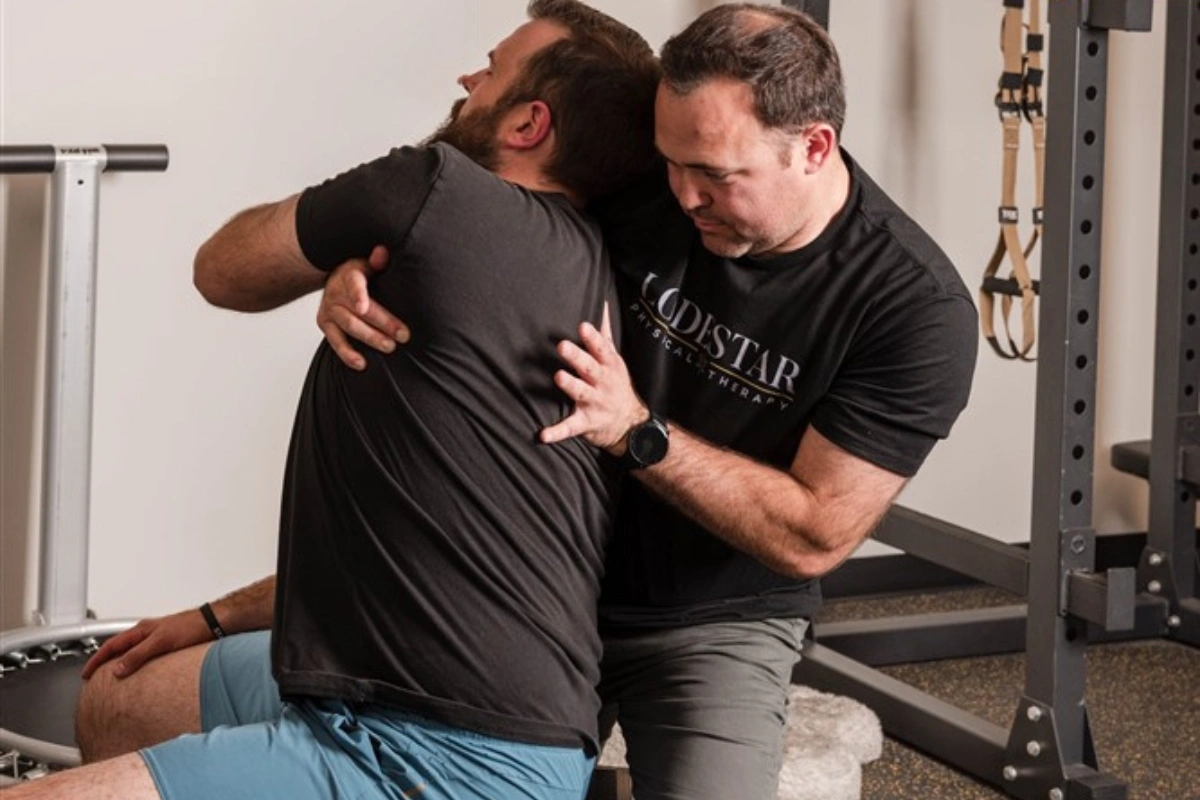
Weeks 2–6
Prime
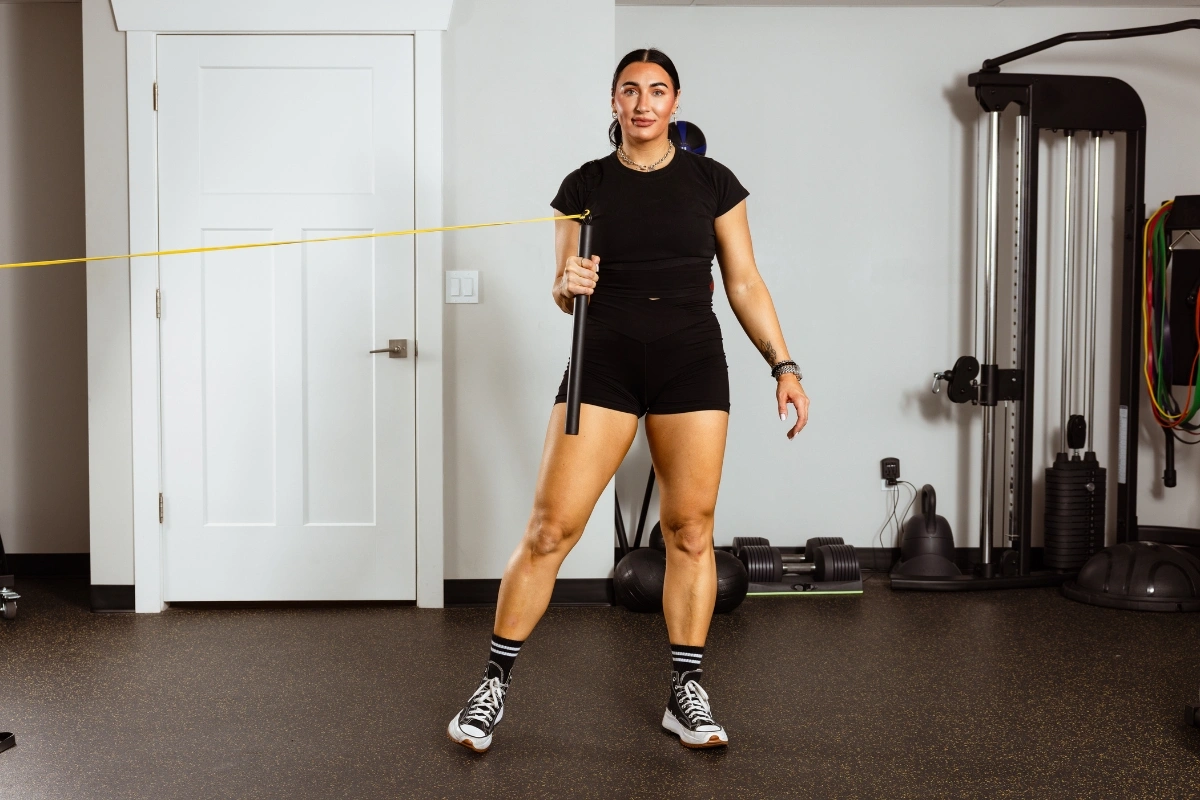
Weeks 6–10
Perform

Weeks 10+
Prevent

Not sure which phase you’re in? That’s exactly what the evaluation is for.
Get My PlanEvery pelvic floor rehabilitation program is individualized and designed to restore strength, coordination, and healthy movement throughout the pelvic region and surrounding muscles. Treatment may include manual therapy, targeted exercises, breathing techniques, posture education, and movement retraining to address the factors contributing to your condition.
Our goal is to help you reduce pain, improve bladder and bowel function, enhance core stability, and restore confidence in your daily activities. Whether you’re recovering after pregnancy, managing chronic pelvic pain, or seeking relief from pelvic floor dysfunction, we’re committed to helping you achieve lasting results and a better quality of life.
Book Your Visit
Request a time and a real person calls you back, usually within two business hours. No phone tree. No ‘someone will reach out.’ Just a plan.
4.9 · 70+ Five-Star reviews
Typical response: under 2 business hours
Step 1 of 5
That’s the hard part done. We’ll call during business hours to lock in your time. Most people are on the schedule same week.
Questions, Answered
Straight answers: no medical jargon, no runaround.
Physical therapy sessions typically involve an assessment of your condition, manual techniques to improve mobility and flexibility, individualized exercises and activities to help you reach your goals, education on how to prevent further injury or pain, and instruction on proper posture, body mechanics and other lifestyle changes.
Utah is a direct access state for physical therapy, allowing patients to seek evaluation and treatment from a licensed physical therapist (PT) without a physician's referral. This enables immediate access to care, bypassing the need for a prior, separate medical appointment.
You should dress in comfortable, loose clothing that allows you to move easily and doesn’t restrict circulation. Depending on your condition, your physical therapist may also recommend special shoes or a brace. You should also bring any paperwork related to your medical history, including x-rays, ultrasounds, and doctor’s notes.
Yes! Make sure you arrive for your session well-rested so that you can give it your full attention and energy. It is also helpful if you keep track of how much pain medication (if any) you take prior to the appointment so that the physical therapist can adjust the intensity of treatment accordingly.
Sessions typically last 30-60 minutes depending on your condition and the types of techniques used. Your physical therapist will give you an estimate when you first arrive for your appointment.
Yes! Your physical therapist may provide specific exercise recommendations for you to try in between visits, which will help speed up your recovery and progress faster toward reaching your goals. It’s important to follow these carefully and always check with your PT before starting a new exercise program if you have any questions or concerns.
Your physical therapist should be available to answer any questions or concerns you may have about your treatment plan before and after each visit. You can also contact the clinic directly for further assistance. We want you to get the most out of every session!
It depends on your insurance plan. Most plans cover some or all of the costs associated with physical therapy, but you should check with your provider to determine coverage and any associated fees. We accept BCBS, EMI (Educators Mutual Insurance), and EMI Network plans. Please contact us to verify your specific coverage and benefits.
The frequency of visits will depend on your individual goals and condition, but typically it is recommended that patients attend 2-3 times per week for a minimum of 4-6 weeks in order to maximize results. Your therapist will provide more details during your initial appointment.
Every person’s situation is unique; therefore the amount of time needed to reach goals varies. With commitment and dedication from both you and your physical therapist, you can expect to start seeing results within a few weeks. The more positive lifestyle changes you make, the faster your progress will be!
Yes! Your physical therapist should be available to discuss any concerns or questions you have regarding your condition or treatment plan. Don’t hesitate to bring up any issues that may arise during the course of therapy.
If at any time during your physical therapy session you experience increased pain, it’s important to let your therapist know so they can adjust the intensity or technique as necessary. Your therapist will work with you to make sure that treatment is comfortable and effective for you.
Your physical therapist should be able to provide guidance on when it is appropriate to stop attending physical therapy sessions based on your progress, goals, and overall health status. It’s important to listen to your therapist and continue with treatment until they feel you are ready to move on.
Visit Us