


Murray
6070 S. 1300 E., Ste 102 , Murray, UT 84107
Phone: (385) 743-2757
Email: Frontdesk@lodestarpt.com
FAX: (385) 831-7092
Blood Flow Restriction in Murray
Build Strength While Recovering Smarter
Accelerate recovery, preserve muscle mass, and improve strength with Blood Flow Restriction training tailored to your rehabilitation and performance goals.

Google 5 Star Rating
We are proud to have a 5-star Google rating! This demonstrates our commitment to excellent service and hopefully builds trust with new customers!

Facebook 5 Star Rating
Our Facebook 5-star rating is a testament to our exceptional service and commitment to customer satisfaction. Thank you for your continued support!

Over 60 5 Star Reviews
We are proud to have offered five-star service to so many of our neighbors! We continue to strive for a five-star experience for all of our clients!
Maximize Results With Less Stress on Your Body
Recovering from an injury or surgery doesn’t always allow for heavy lifting, but that doesn’t mean your progress has to slow down. Blood Flow Restriction (BFR) training allows you to build strength and stimulate muscle growth using light resistance, making it an ideal option during rehabilitation or when joint pain limits traditional exercise.
At Lodestar Physical Therapy, BFR is integrated into personalized treatment plans to help patients regain strength safely and efficiently. By temporarily restricting blood flow with specialized equipment during exercise, BFR creates the benefits of high-intensity training while placing significantly less stress on muscles, joints, and healing tissues.
Our Proven 4-Phase Recovery Program
PAIN
In pain and unsure where to turn? One-on-one physical therapy focuses on identifying the root cause of your pain and creating a personalized plan to help you move better and start feeling relief.
PREVENT
Concerned about re-injury? One-on-one physical therapy focuses on improving movement, strength, and mechanics so you can stay active and reduce the risk of future injuries.
PRIME
After pain improves, the next step is building a stronger foundation. We focus on restoring mobility, flexibility, and strength so your body is prepared for long-term success and injury prevention.
PERFORM
Ready to get back to the activities you love? Personalized physical therapy focuses on restoring strength, movement, and confidence so you can return to full performance safely.
Success Stories & Testimonials
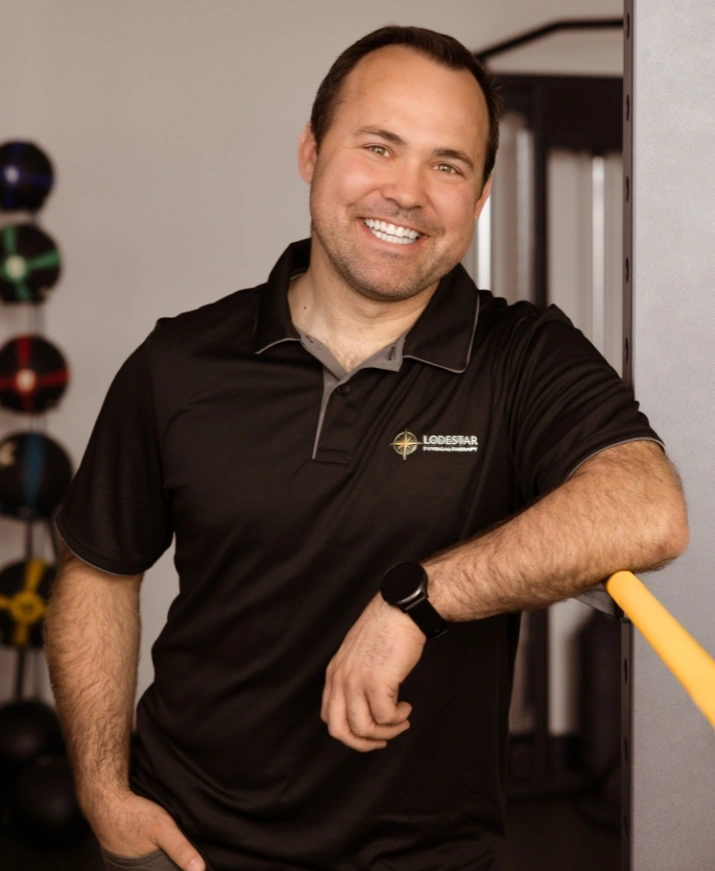
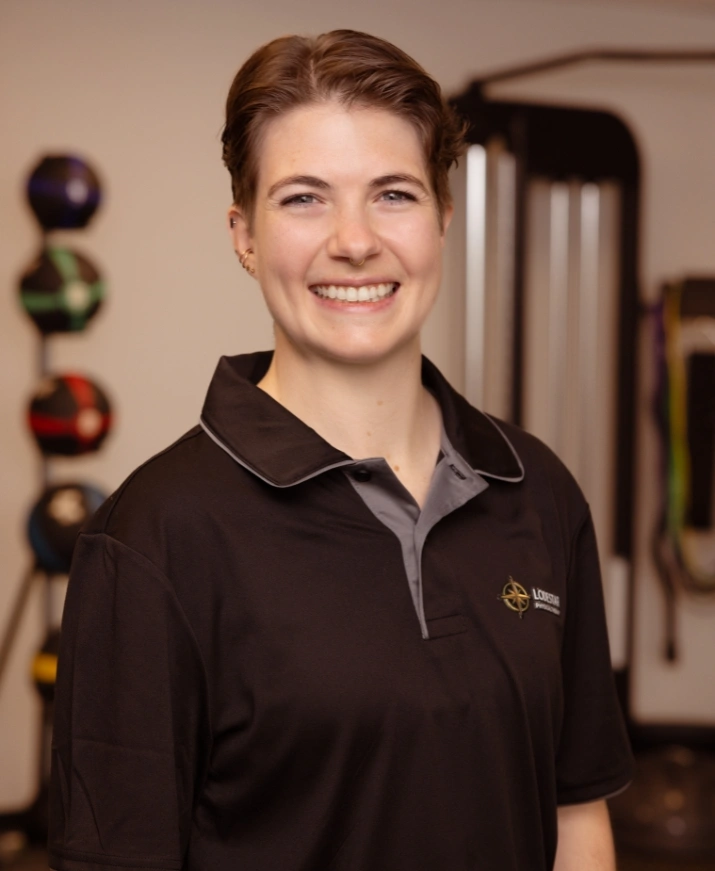
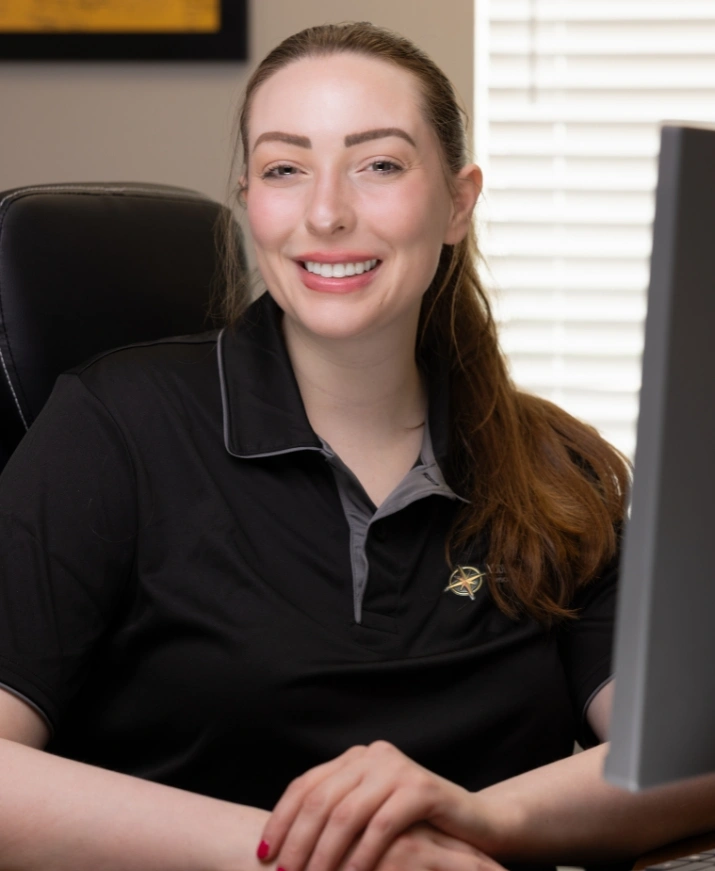
Meet Our Team
Treatments
Manual Therapy
If joint stiffness, muscle tightness, or nerve irritation are limiting your movement, manual therapy offers a proven, hands-on approach to relief. At Lodestar Physical Therapy in Murray, our skilled therapists use targeted techniques..
Orthopedic Therapy
Living with joint, muscle, or bone pain can make even the simplest tasks feel challenging. Whether you’re recovering from surgery, managing a chronic condition, or healing from an injury, the right therapy can make all the..
Pelvic Floor Therapy
If you’re struggling with bladder leaks, pelvic pain, or discomfort, you don’t have to live with it. Pregnancy, childbirth, surgery, and aging can weaken the pelvic floor, leading to incontinence, urgency, and pain.
Physical Therapy
If pain, injury, or limited mobility is holding you back, expert physical therapy can help you move better, feel stronger, and restore independence. At Lodestar Physical Therapy, we create personalized, results-driven therapy..
Personalized Training for Better Recovery
Every BFR program begins with a comprehensive evaluation of your condition, medical history, and recovery goals. Our therapists carefully monitor treatment to ensure it is safe, effective, and customized to your stage of healing and activity level.
Whether you’re recovering from surgery, returning from a sports injury, or looking to improve strength while minimizing joint stress, Blood Flow Restriction training can help you progress with confidence. Our goal is to help you recover faster, restore function, and get back to the activities you enjoy stronger than before.
Frequently Asked Questions
What should I expect during physical therapy sessions?
Physical therapy sessions typically involve an assessment of your condition, manual techniques to improve mobility and flexibility, individualized exercises and activities to help you reach your goals, education on how to prevent further injury or pain, and instruction on proper posture, body mechanics and other lifestyle changes.
Do I need a referral from my doctor before attending Physical Therapy?
Utah is a direct access state for physical therapy, allowing patients to seek evaluation and treatment from a licensed physical therapist (PT) without a physician's referral. This enables immediate access to care, bypassing the need for a prior, separate medical appointment.
What do I need to wear or bring with me?
You should dress in comfortable, loose clothing that allows you to move easily and doesn’t restrict circulation. Depending on your condition, your physical therapist may also recommend special shoes or a brace. You should also bring any paperwork related to your medical history, including x-rays, ultrasounds, and doctor’s notes.
Is there anything I can do before my appointment to prepare?
Yes! Make sure you arrive for your session well-rested so that you can give it your full attention and energy. It is also helpful if you keep track of how much pain medication (if any) you take prior to the appointment so that the physical therapist can adjust the intensity of treatment accordingly.
How long will my physical therapy sessions last?
Sessions typically last 30-60 minutes depending on your condition and the types of techniques used. Your physical therapist will give you an estimate when you first arrive for your appointment.
Are there any exercises I can do at home between appointments to help improve my condition?
Yes! Your physical therapist may provide specific exercise recommendations for you to try in between visits, which will help speed up your recovery and progress faster toward reaching your goals. It’s important to follow these carefully and always check with your PT before starting a new exercise program if you have any questions or concerns.
What if I have questions after my physical therapy session?
Your physical therapist should be available to answer any questions or concerns you may have about your treatment plan before and after each visit. You can also contact the clinic directly for further assistance. We want you to get the most out of every session!
Will insurance cover my physical therapy?
How often will I need to attend physical therapy sessions?
The frequency of visits will depend on your individual goals and condition, but typically it is recommended that patients attend 2-3 times per week for a minimum of 4-6 weeks in order to maximize results. Your therapist will provide more details during your initial appointment.
How long will it take for me to see results?
Every person’s situation is unique; therefore the amount of time needed to reach goals varies. With commitment and dedication from both you and your physical therapist, you can expect to start seeing results within a few weeks. The more positive lifestyle changes you make, the faster your progress will be!
Will my physical therapist be able to answer any questions I have about my condition?
Yes! Your physical therapist should be available to discuss any concerns or questions you have regarding your condition or treatment plan. Don’t hesitate to bring up any issues that may arise during the course of therapy.
What if I feel too much pain during a session?
If at any time during your physical therapy session you experience increased pain, it’s important to let your therapist know so they can adjust the intensity or technique as necessary. Your therapist will work with you to make sure that treatment is comfortable and effective for you.
How will I know when I no longer need physical therapy?
Your physical therapist should be able to provide guidance on when it is appropriate to stop attending physical therapy sessions based on your progress, goals, and overall health status. It’s important to listen to your therapist and continue with treatment until they feel you are ready to move on.