
Weeks 1–2
Pain
Calm the pain down.
We protect the healing area, manage swelling and soreness, and get you moving safely, starting your very first visit.
What We Treat
The surgery you’re preparing for, or the recovery you’re in the middle of. Going in stronger and coming back right both start with a cause-first evaluation, not a guess.
Sound Familiar?
Two or more? Keep reading.
Why It Matters
A good outcome isn’t just about the operation. What you do before and after matters just as much. Going in stronger, what we call prehab, means more strength and motion to draw on afterward, so you recover from a higher starting point. It also means you know exactly what to expect on the other side.
After surgery, healing tissue has to be respected, then loaded, in the right order and at the right time. Push too soon and you risk the repair. Wait too long and the joint stiffens and the muscles waste. A cause-first evaluation, paired with your surgeon’s protocol, tells us exactly where you are and what your body is ready for next, phase by phase.
The Honest Truth
Nobody regrets starting too early. Every week, someone in our clinic says they regret waiting.
How We Fix It
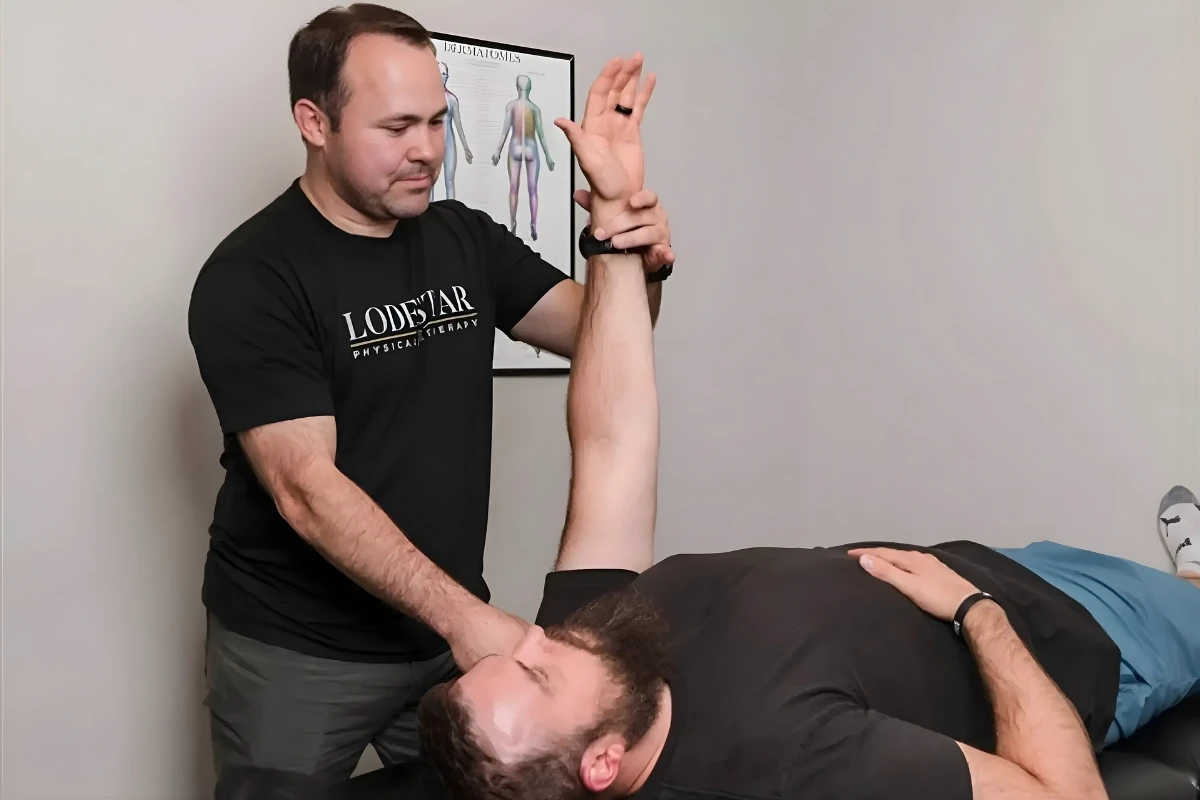
You’re the one who prepares, who does it right. This is where that pays off: the people who prehab and rehab well recover faster and further. You’ll work one-on-one with a Doctor of Physical Therapy, every visit. Every plan has an endpoint. Here’s what the four phases look like.
Weeks 1–2
Pain
We protect the healing area, manage swelling and soreness, and get you moving safely, starting your very first visit.
Weeks 2–6
Prime
Guided, protocol-safe mobility restores the range the joint loses after surgery, before stiffness can set in.
Weeks 6–10
Perform
Progressive strength rebuilds the muscle that faded around the operation, so the repair has real support under it.
Weeks 10+
Prevent
We test the movements your life and work demand under real load before you’re cleared to go all-in: that’s the endpoint, not just another appointment.
After having back surgery, Isaac’s personalized approach to PT has been exactly what I needed. The pacing has been just right and any questions I have between sessions are answered promptly. I highly recommend him.
Shared by Shaun T. · Post-surgery rehab
Week 1: home from surgery, nervous about every movement
Week 12: back to full days, moving with confidence
Questions, Answered
Not necessarily. Starting before surgery, prehab, builds the strength and motion you’ll draw on afterward, and people who go in stronger tend to recover faster. It also means you already know your Doctor of PT and your plan before day one. If surgery is already behind you, the best time to start is now. We’ll meet you wherever you are.
No, we work right alongside them. Your surgeon’s protocol sets the guardrails, and a Doctor of PT builds your plan inside them, progressing you only as fast as the healing allows. You get one-on-one care every visit, so nothing gets rushed and nothing gets skipped. The goal is the outcome your surgery was meant to give you.
It depends on the procedure, but most patients move through a clear, phased plan over several weeks to a few months. A full plan runs through all four phases, Pain, Prime, Perform, and Prevent, matched to your surgeon’s timeline. Either way, you get a plan with an endpoint: you’ll always know which phase you’re in and what’s left, not an open-ended string of appointments.
Book Your Visit
Request a time and a real person calls you back, usually within two business hours. No phone tree. No ‘someone will reach out.’ Just a plan.
4.9 · 70+ Five-Star reviews
Typical response: under 2 business hours
Step 1 of 5
That’s the hard part done. We’ll call during business hours to lock in your time. Most people are on the schedule same week.
Visit Us